Play Ideas with Walks
When grown-ups go for a walk, they walk a loop and come back, but with a child you can't get five steps. They squat down, go a few steps, and stop again.
There's always a reason for stopping. A snail on a blade of grass, a cricket chirping in a tree, a thump-thump sound from somewhere. To me it's a road to pass through, but to the child it's a road full of places to stop.
This page was translated by Yeparksam, a preschool teacher in Korea. Some words may sound a little unusual — thank you for your understanding.
Printables to use
See more ›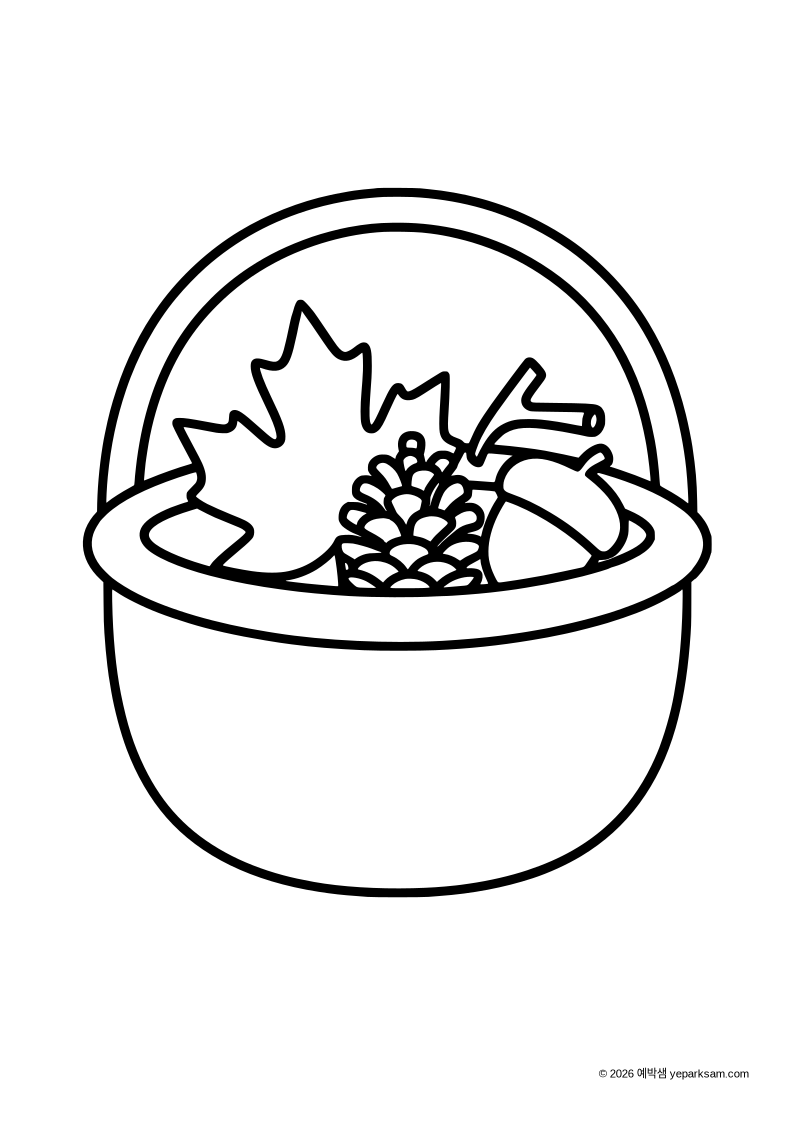
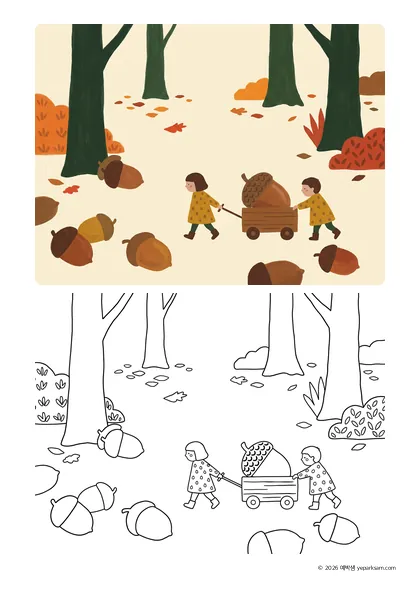
Stopping to Look Closely
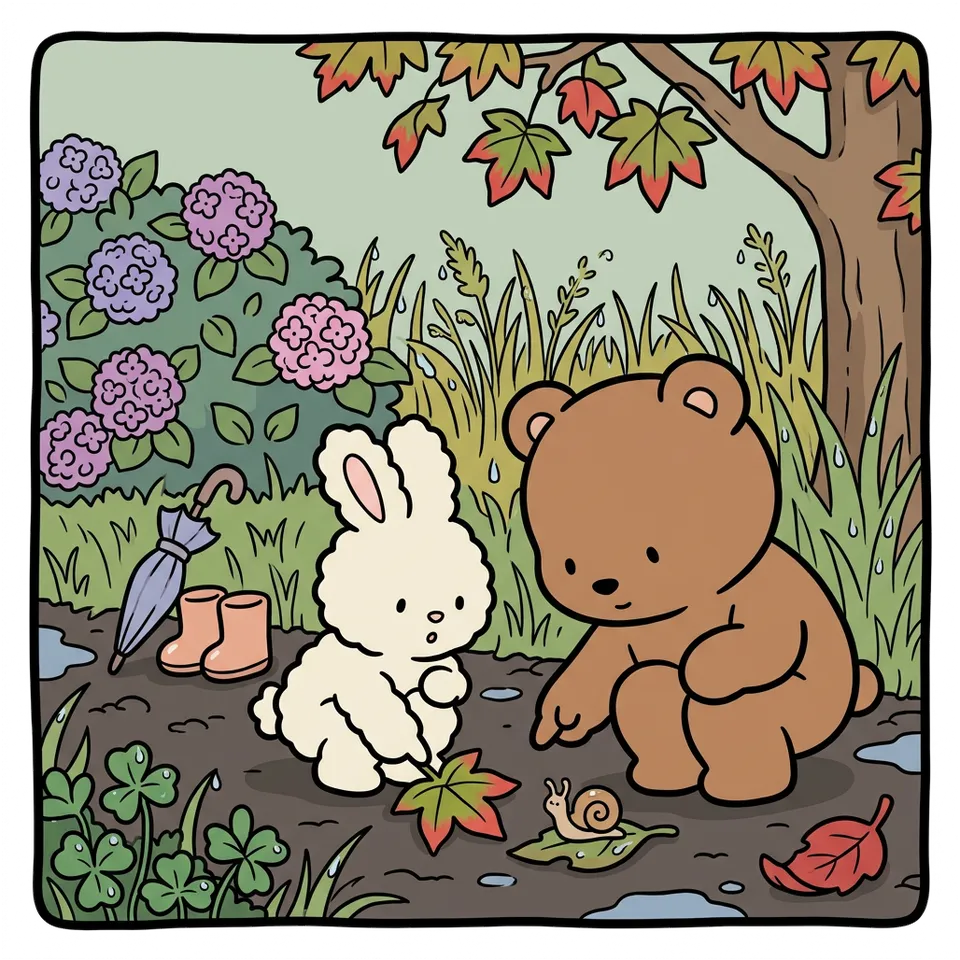
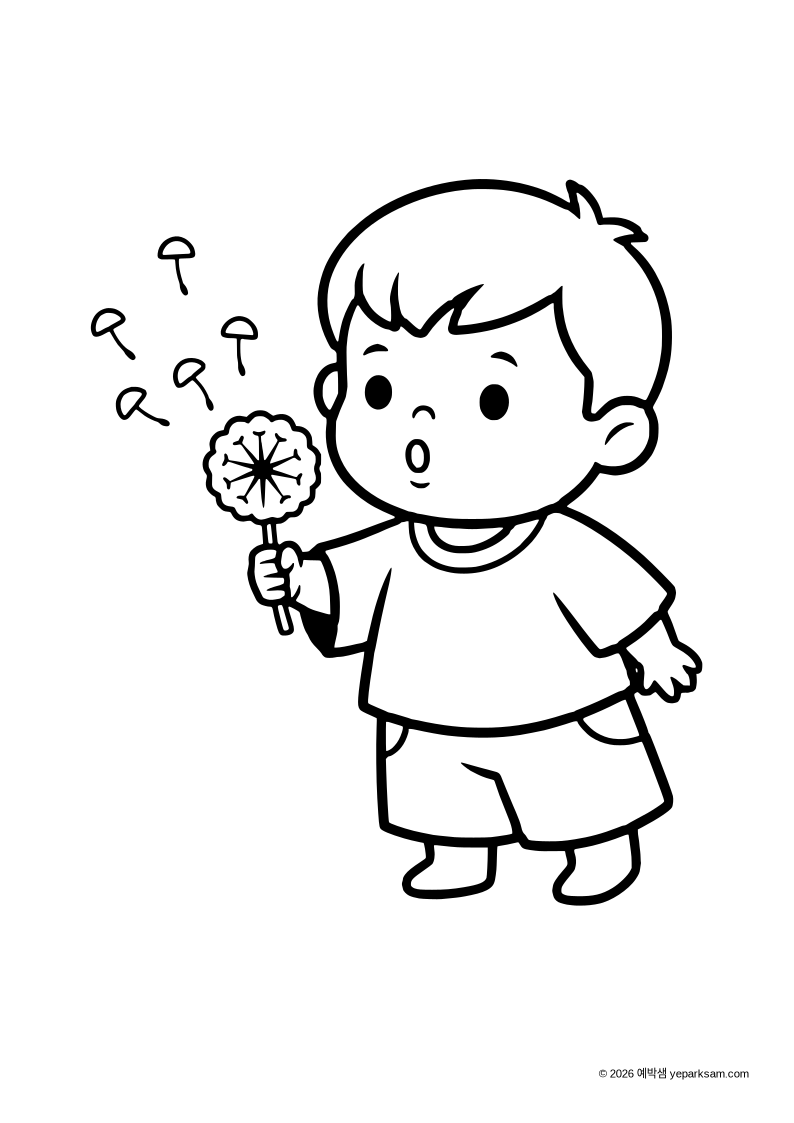
On a walk, crouch down beside the child where they stopped and look together, or follow the sounds you hear and listen closely.
Why it's good
Even on a road you always pass, there are snails crawling, leaves turning red, crickets chirping in hiding. By stopping to look and listen, they learn that there are things on the road that move and change.
Books to read together


How to play
On a walk after rain, the child spotted a snail and said “Wow~ what's this?” and “A snail!” They looked at it for a long time, “It goes slowly~” and followed the snail with a finger. When I asked what they were looking at, as they peered into the grass, they pointed at a leaf and said “It's turning red here.”
In front of hydrangeas on the path, they stopped and pointed at the petals, “Purple!” and “Pink~”
When a cricket sounded from a roadside tree, they stopped and listened, “Huh? What's that sound?!” and “It went chirp-chirp here.” After searching a long time without seeing it, they said “Aw.. I can't see it..?” then “But I heard it.” They greeted the cricket with “Chirp-chirp” and walked on again.
On a day with a thump-thump sound, they offered their guesses, “It's coming from over there,” “It's digging the ground thump thump,” “It's an explosion,” then walked toward the sound and said “Wow~~ It's an excavator!”
Good to know
- When the child stops, squat down together. Without rushing, if you ask beside them what they're looking at, they'll point and tell you first.
What you'll need
Hat and water
Picking Things Up and Playing
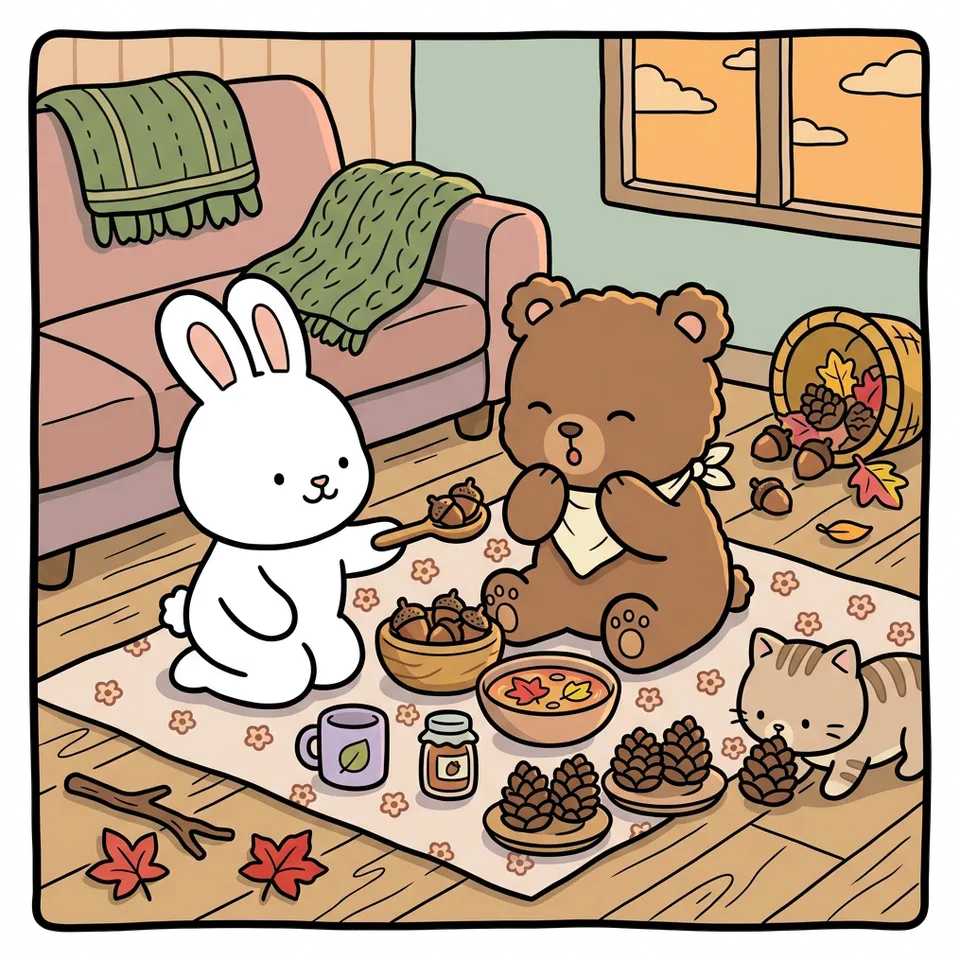
Pick up fallen leaves, pine cones, acorns, and twigs on a walk and bring them home in a basket, then carry on playing at home with pretend cooking or decorating.
Why it's good
A single leaf or pine cone on the ground becomes a treasure the moment it's picked up. With the treasures they carried home, they set a table and decorate pictures, so the walk continues indoors.
How to play
When I suggested searching for autumn treasures on the walk, the child said “I want to find treasure!” and “Will there be acorns?” and picked up the pace. Holding up a leaf and waving it, “A yellow leaf!” then finding a small pine cone under a stone, “I found treasure!” and putting it in the basket. Sniffing it, “It smells like wood~”
At home, they put the things they picked up in bowls and played pretend cooking, “Acorn rice~” and “Leaf soup~” They rolled acorns in a flowerpot of soil, buried and dug them up, “I found it!” and covered them with soil again.
When I gave them a box with double-sided tape, they stuck on the maple leaves they'd picked, “This is red, green~” They stuck twigs onto a tree drawing and said “This is the birdie's house.”
Good to know
- Bring a basket or small bag. When their hands are full, they can't pick up more, and that's where it stops.
- Don't put away what you brought back right away; keep it in a bowl or box. If they can see it, they'll take it out again the next day for pretend cooking.
What you'll need
A basket or small bag · A box with double-sided tape on it (if you have one)
Saying Hello Along the Way
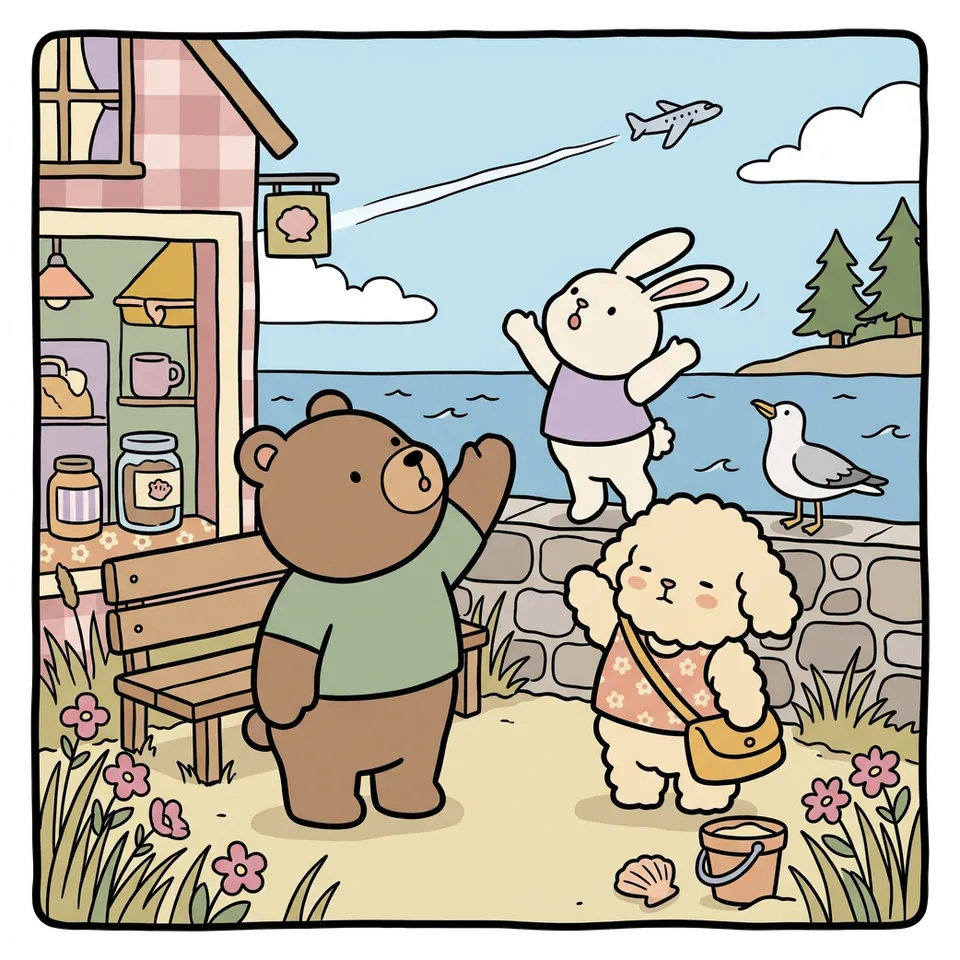
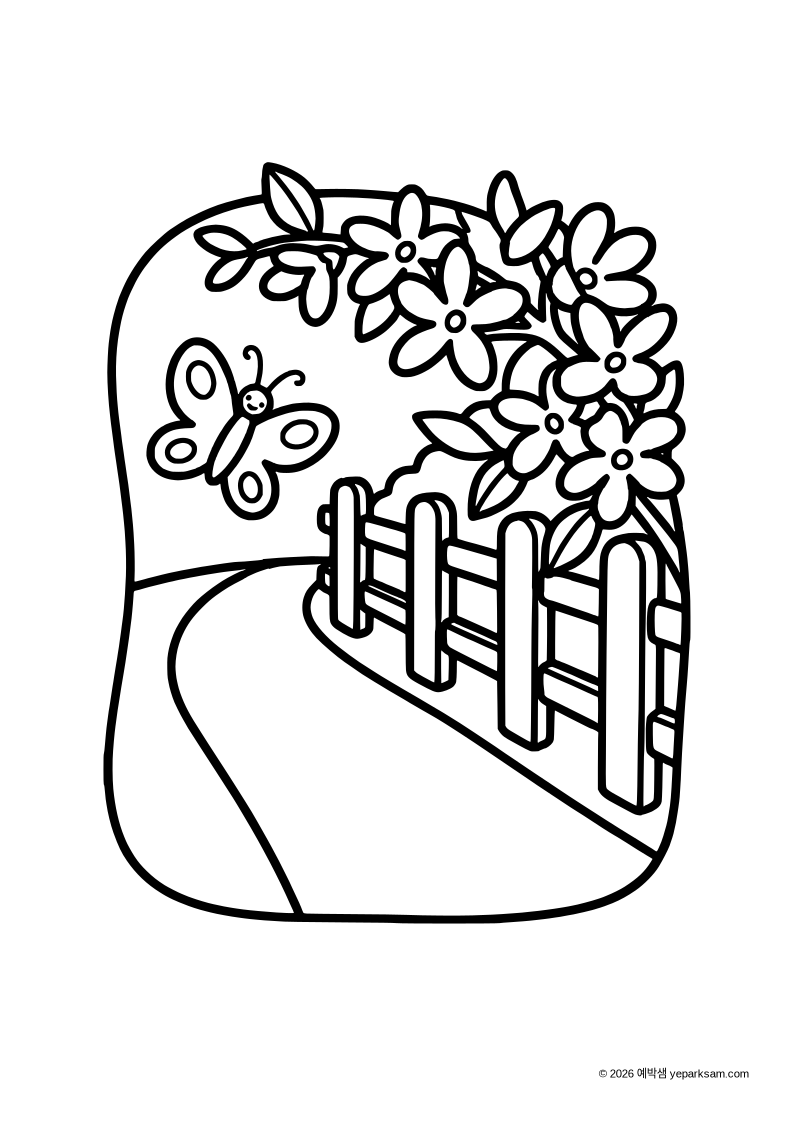
Wave and say hello to the security guard, a dog and a magpie, and an airplane passing in the sky as you meet them on a walk.
Why it's good
They greet even the people and animals a grown-up would just pass by. By waving and calling names, they exchange words with the things they meet along the road.
Books to read together


How to play
Passing the apartment guard booth, they bow their head and wave, “Hello,” to the elder. When the elder handed them something, they said “Thank you,” and repeating after me, “It's tteok” (rice cake).
In the park they welcome a dog, an earthworm, and a magpie, “It's a doggy” and “It's a birdie.” On a path by the sea, they look up at an airplane and helicopter flying by with a loud noise and wave hello.
Good to know
- A grown-up greets first, where they can see. Without being told, they watch beside you and copy.
- For animals, only wave hello. If they reach a hand out to a dog because they're glad to see it, it may get startled and bite.
Seeing Yesterday's Things Again
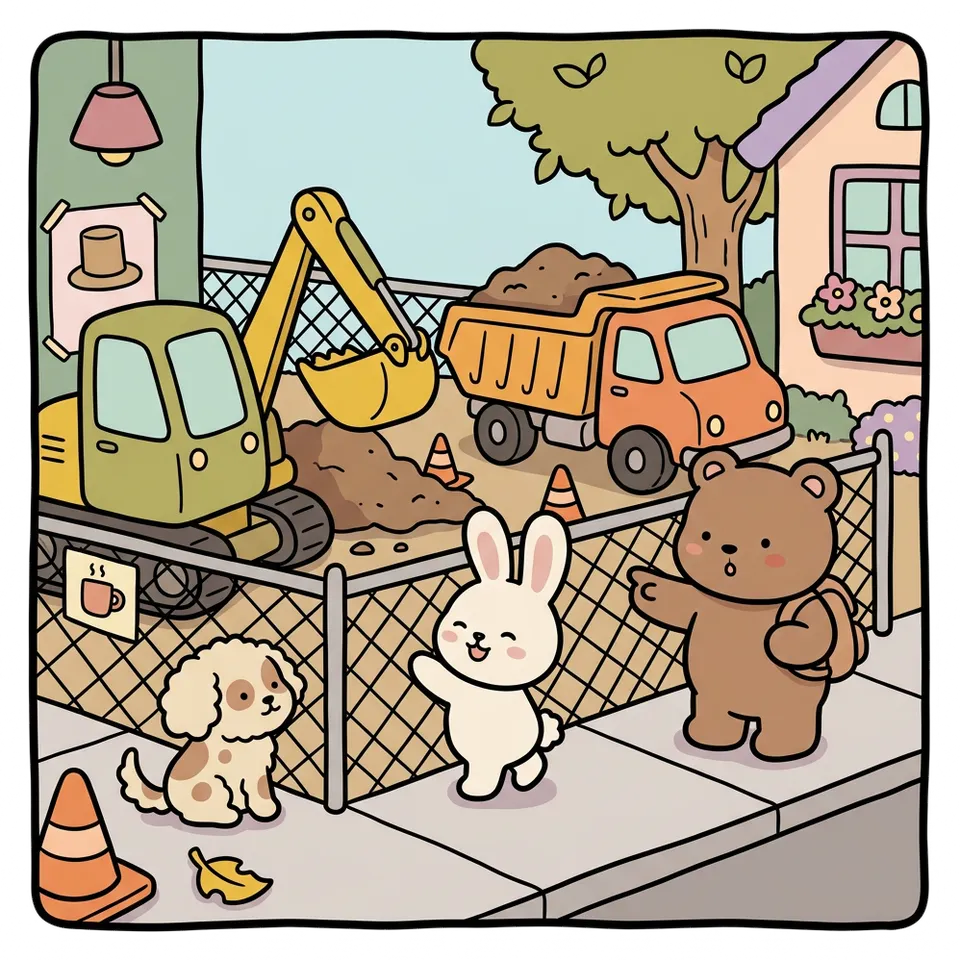
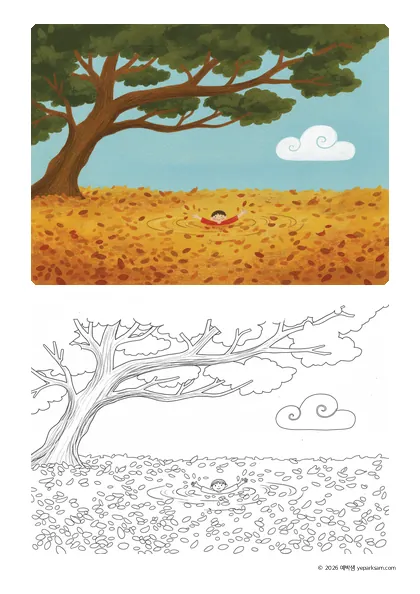
Remember what you saw on the last walk, go out again on the same path, and look for whether it is still there or has changed.
Why it's good
The excavator they saw yesterday is at the construction site again today, and last week's snowman on the playground is gone. Seeing the same thing again, they recognize it and are glad, and by noticing first what has vanished or changed, they get to know the neighborhood they always walk through with their own eyes.
How to play
When we went back out on the path where we saw ants and butterflies the day before, they were delighted, “It's an ant again!” and “I saw a butterfly again.” When the butterfly flew off, they waved, “Bye~” Since picking up pine cones last week, whenever they see a pine cone in the park, they say “Oh, here's another one,” and pick it up to show me, and passing the path where they'd seen a mushroom, “Mom! It's the one I saw last time!”
Passing the neighborhood construction site, they saw the excavator and dump truck and said “Oh hi~” When I said we saw them yesterday too, they said “Yeah~ we met again~” In the shop alley, looking up at a sign, “I've been here before,” and in front of a tree we always pass, they recognize it first, “It's the tree I saw yesterday.”
There are days when they notice the changes first. Pointing at where last week's playground snowman had been, “The snowman's gone.” Going back to find a flower they'd seen yesterday in the park, “The flower wilted,” so when I asked what was different from yesterday's flower, they looked closely at the petals.
Good to know
- Ask both “Isn't this what we saw yesterday?” and “What's different?” Recognizing the same thing and finding what changed are both discoveries for a child.
- A day when it's gone isn't a wasted trip. Wondering together where it went is play too.