Play Ideas with Sweet Potatoes
With sweet potatoes, everything from the soil to the dinner table becomes play. A child can do all of it: digging, washing, mashing, and selling. Even with no field, if you have a big tub and some soil, you can start with digging.
This page was translated by Yeparksam, a preschool teacher in Korea. Some words may sound a little unusual — thank you for your understanding.
Printables to use
See more ›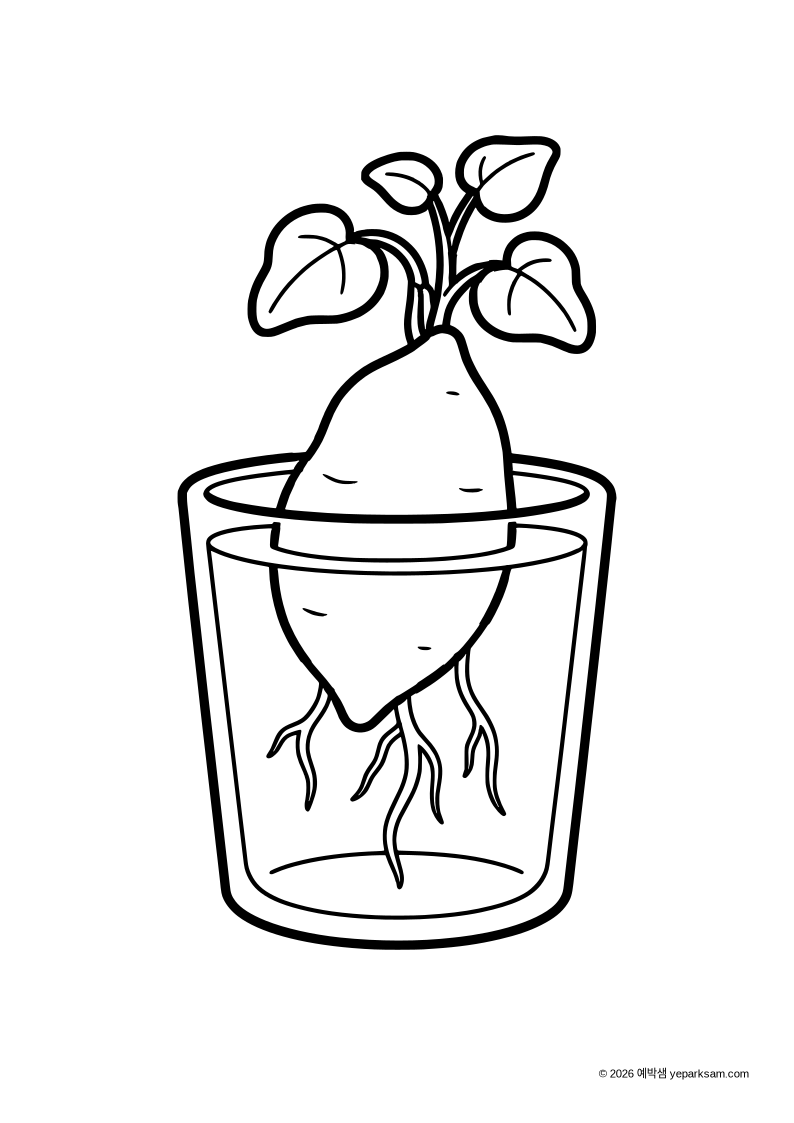

Burying Them in Soil and Digging Them Up
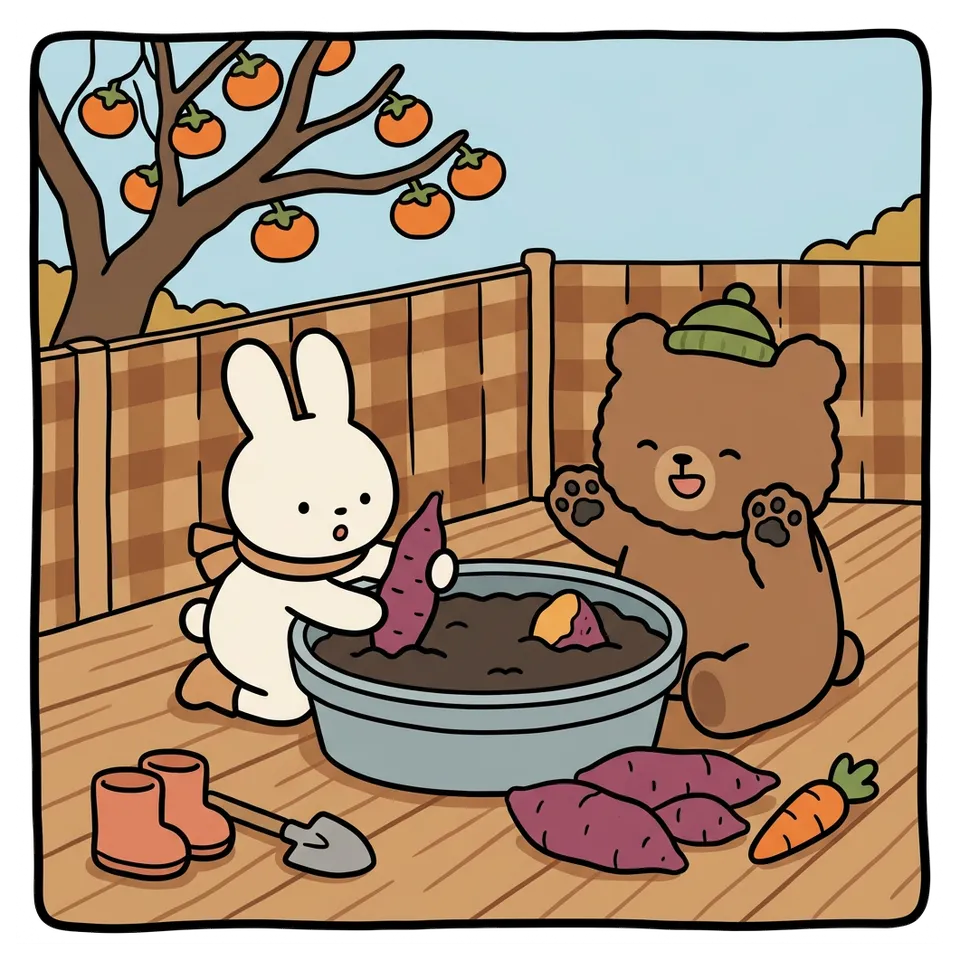
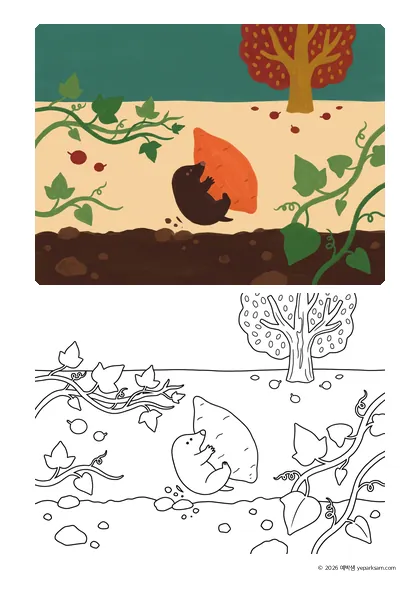
Fill a big tub or basin with soil and bury sweet potatoes in it. The child digs through the soil with their hands to find and pull out the sweet potatoes.
Why it's good
Finding what you can't see with your hands is the fun in itself. They put the feel of the soil under their fingertips straight into words.
How to play
If you bury sweet potatoes in a tub or basin of soil, the digging play begins. If you bury potatoes or carrots too, the child digs in harder because they don't know what will come out. If you give a shovel, it's over quickly; with hands, it takes a long time. Digging the soil with their hands, they say “Cold”, “Soft”.
The best moment is when a bit of purple shows. They shout “It came out!”, “A real sweet potato!” They line several up and compare sizes, saying “This one is long”, “This one is bigger.” They even laugh at their soil-covered hands. They say “Hands are black!” and show their palms.
After digging everything, they ask you to bury them again. Then the child hides and the adult digs.
Good to know
- Prepare lots of small ones. They need to be a size that fits in a child's hand so they can dig and wash them.
- Potting soil is enough. Fill a large basin about halfway and bury them, and it becomes a field.
What you'll need
Large tub or basin · Soil · Sweet potatoes
Washing Off the Soil
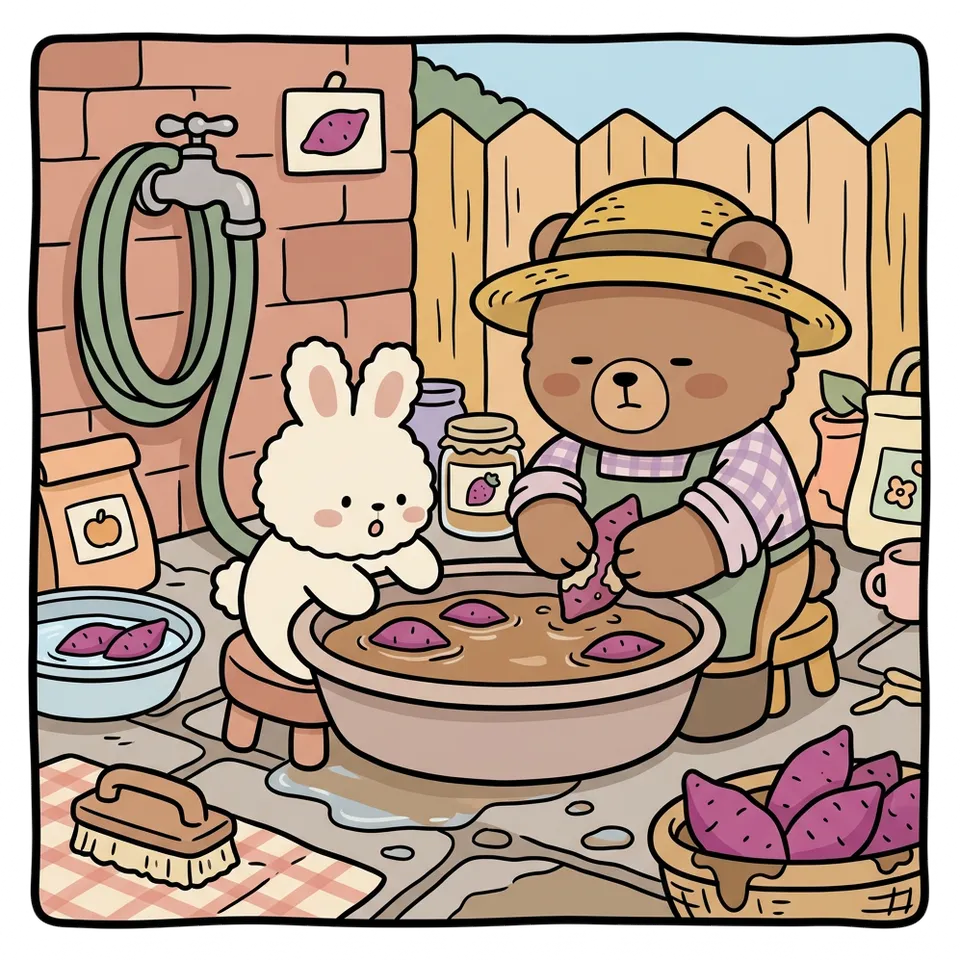
Fill a basin with water and soak the dug-up sweet potatoes to wash them. Rubbing with your hands rubs the soil off and shows the color underneath.
Why it's good
It's good because they can see what their own hands did. The muddy water getting clearer and the sweet potato's color showing is the proof itself, so the child keeps going without stopping.
How to play
The moment they go in the water, their hands don't come out. They see the sweet potato wobbling in the water and say “Floating in water”, and when the soil comes off and the color shows, they say “Clean.”
The water turns muddy quickly. They can see it, so the child keeps going.
One line, “Farmers wash what they dug up clean”, gives them a role. They ask back “Am I a farmer?” and from then on, washing is their own job.
Good to know
- If you change the water, they start over from the beginning. The muddy water has to stay for the washing to continue.
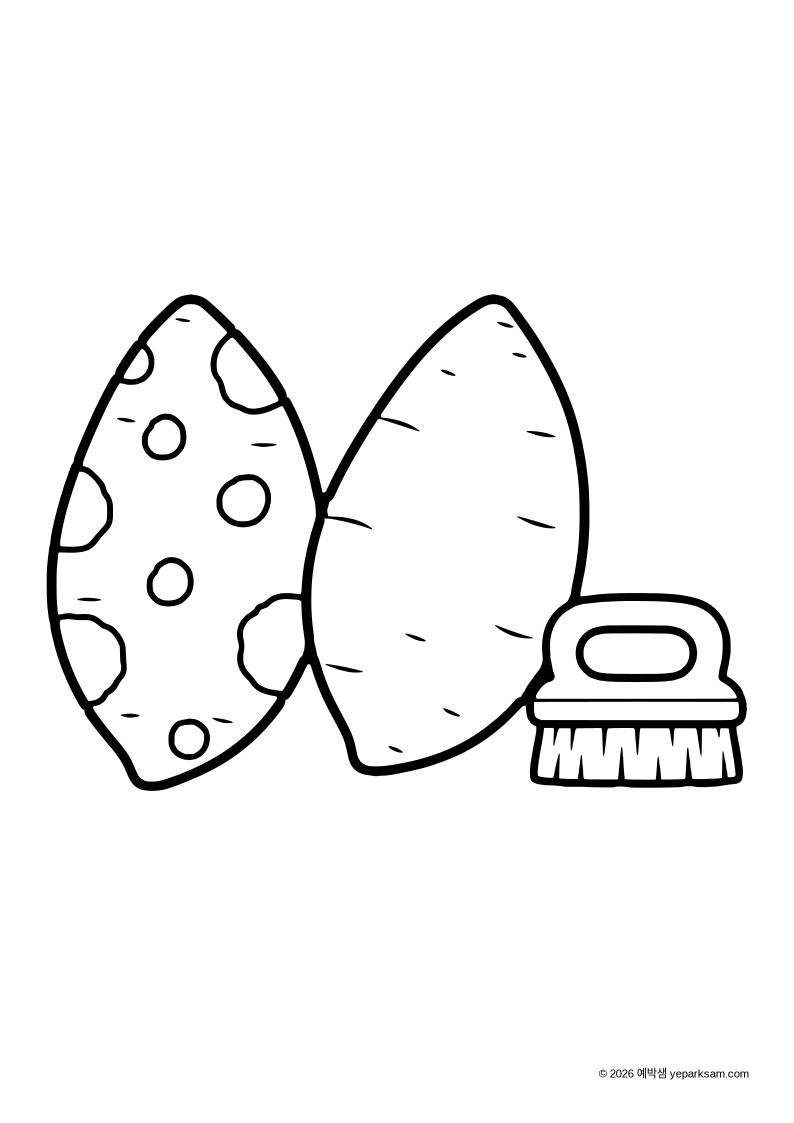
- If you hand them a brush or an old toothbrush, they last longer. They focus on scrubbing the grooved spots.
- Put the washed ones and the unwashed ones side by side. That way they can see what they did.
- It's better to do this on the balcony or in the bathroom. Soil and water come out together.
What you'll need
Basin · Water · Brush or an old toothbrush
Boiling and Mashing
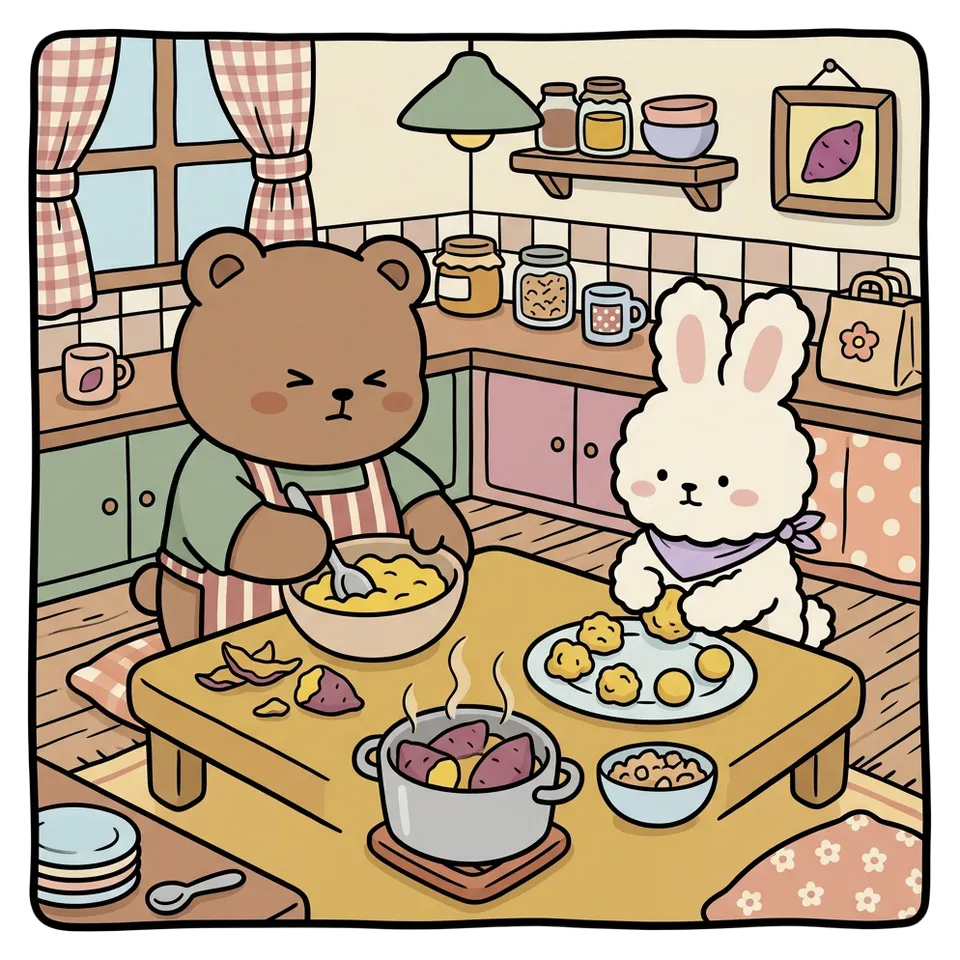
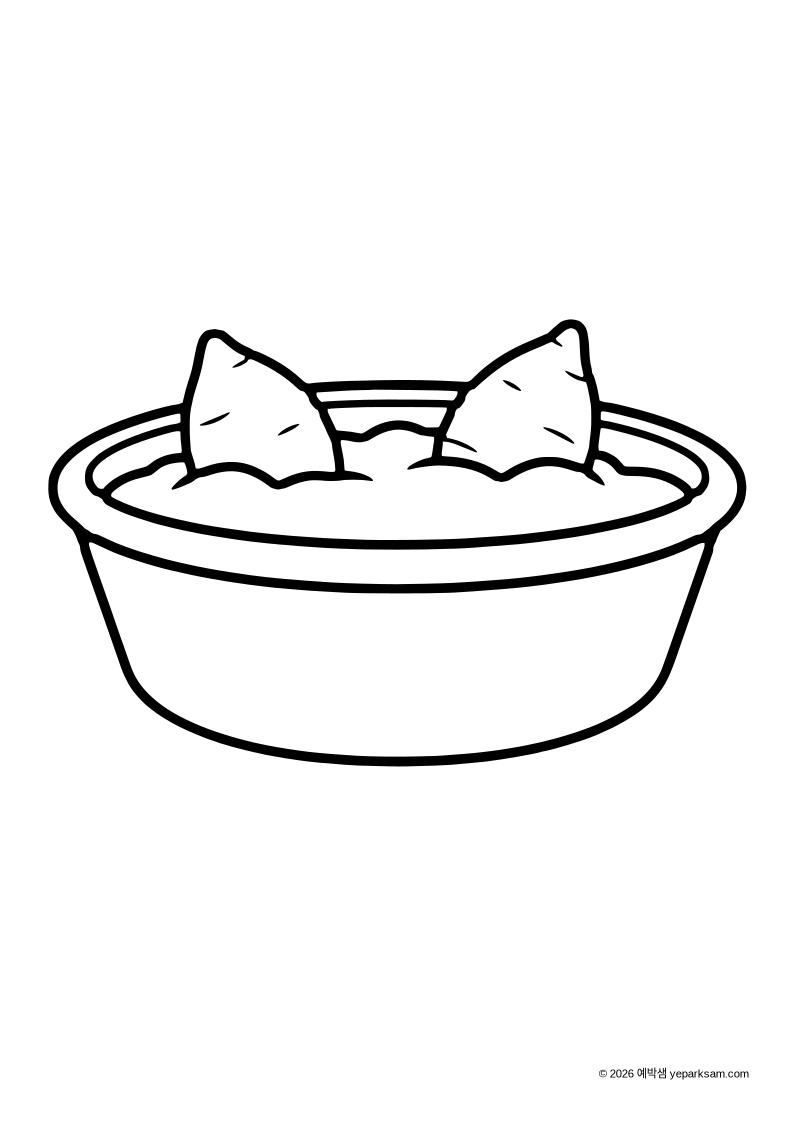
Put a boiled sweet potato in a bowl and mash it with a spoon. If you roll it round, it becomes a dumpling.
Why it's good
They watch the texture change in their hands. What was being squished becomes one shape again at their own fingertips.
How to play
Cool the boiled sweet potato until it isn't hot, put it in a bowl, and hand over a spoon. They mash for a long time just for the mashing itself. They press until the lumps are gone and sometimes knead it by hand.
If they roll it round, it becomes a dumpling. Rolling it with their palms doesn't go well and the first ones all come out squashed, but after a few they get round. They bring what they made in a bowl. Because they made it themselves, even a child who doesn't usually eat it takes a bite.
Good to know
- Cool anything hot before handing it over.
- Pour in a little milk and it gets much softer. If you pour too much, it won't hold together and just sticks to their hands.
What you'll need
Boiled sweet potatoes · Bowl · Spoon · Milk
Roasted Sweet Potato Shop
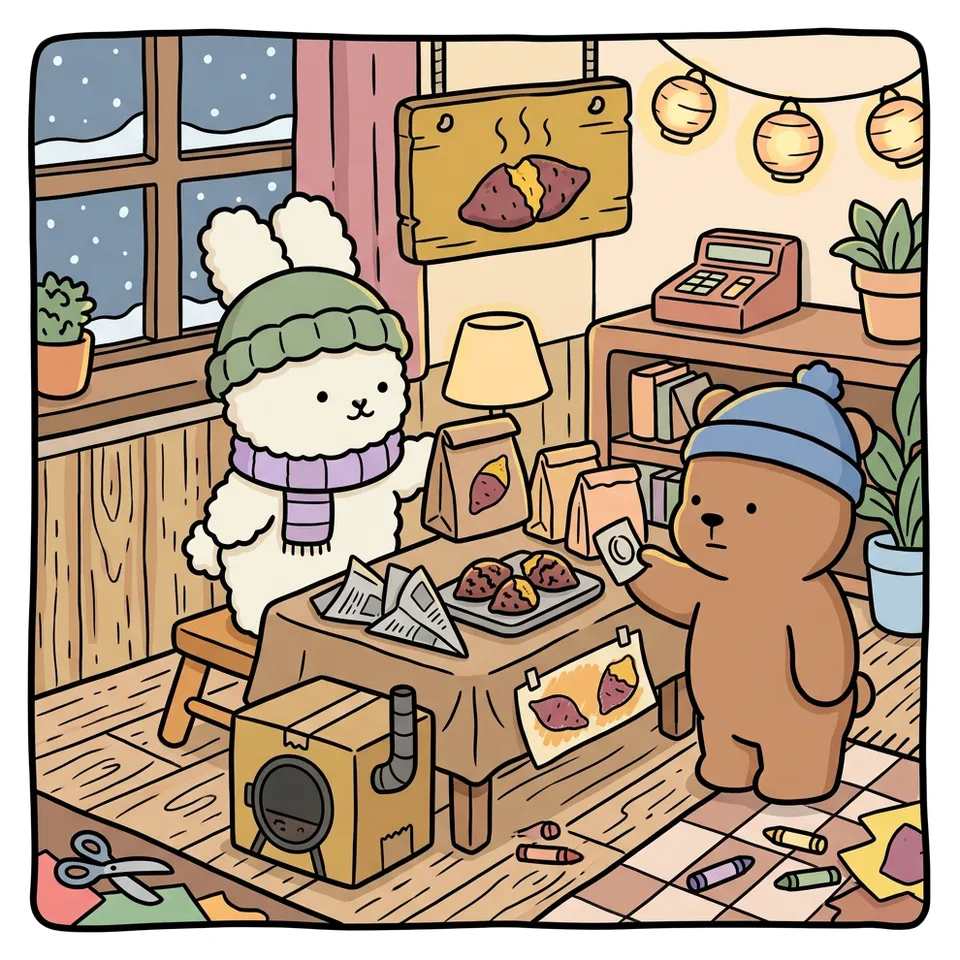
With just roasted sweet potatoes and paper bags or newspaper, a shop opens. The child is the seller and the adult is the customer.
Why it's good
In this play the child sets the prices themself. They buy and sell at whatever price is called out.
How to play
With roasted sweet potatoes and paper bags, a shop opens. The child sets the price. When I asked how much, they said “Eleven hundred won”. After that, the child comes to sell first. They say “Mommy, buy this and eat”.
When they've sold everything, they say they'll make more. If you give them paper, they draw sweet potatoes and bags and cut them out. Even when the real ones run out, the play goes on.
Good to know
- Kids these days know about cards. If you say you have no cash, it can lead to cards. When I said I had no cash and asked “Can I pay by card?”, they said yes, and a card play started from then on.
What you'll need
Roasted sweet potatoes · Paper bags or newspaper · Paper
Soaking in Water to Sprout
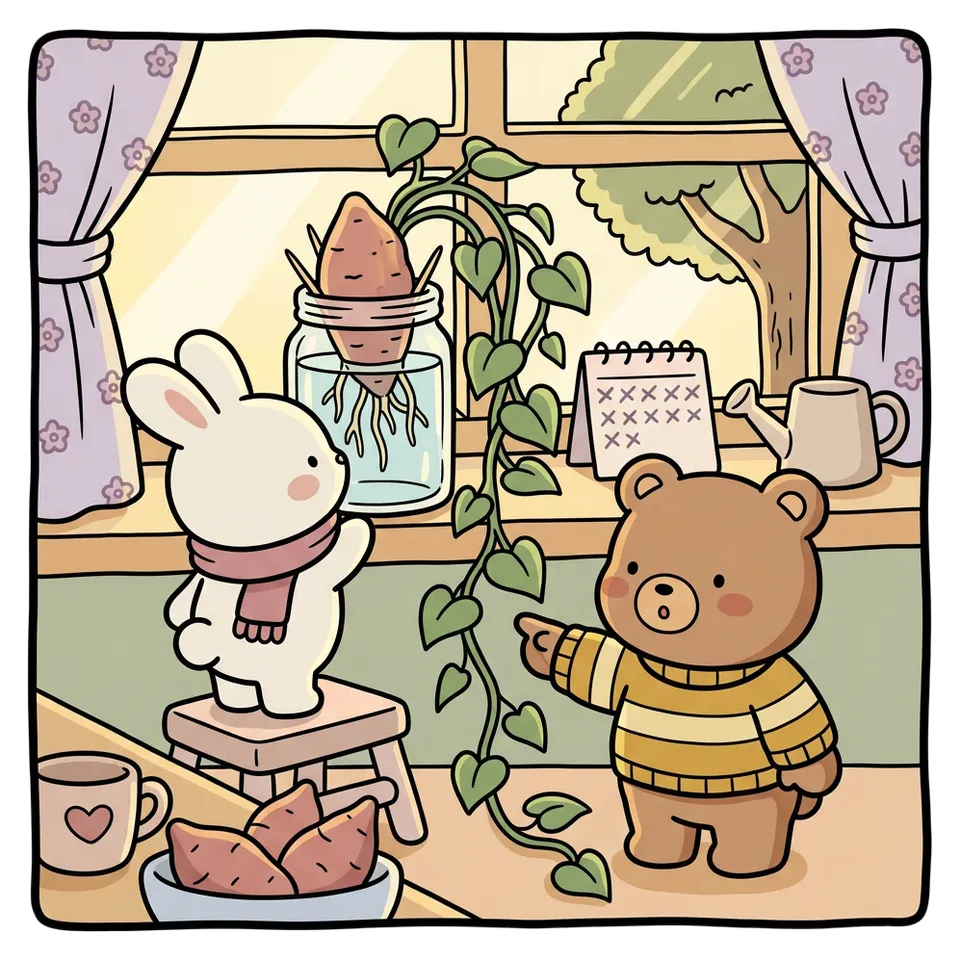
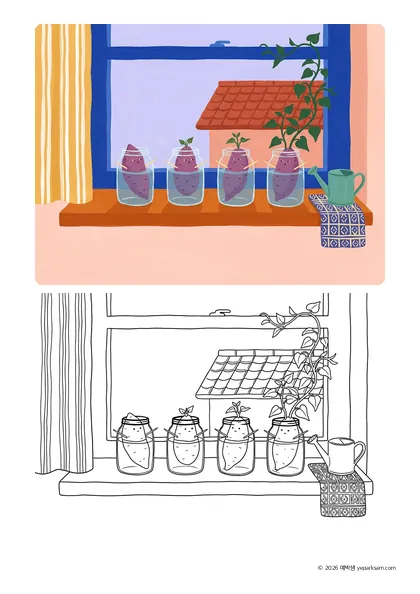
Set the bottom of a sweet potato in water on a windowsill and watch it sprout.
Why it's good
The waiting becomes the play. It takes days before the first sprout shows, yet the child comes by themself every morning to check.
How to play
Soak the bottom of the sweet potato in water, about one third submerged, and put it by a window. If you stick three or four toothpicks in its sides and rest it on a cup, it fits just right.
It takes about a week. Looking in every morning becomes the play. After a few days when nothing happens, the first sprout comes out.
Once it sprouts, it grows by the day. When the vine gets long enough to droop, the child is the first to notice.
Good to know
- Keep one old one. Sprouts come more easily from older sweet potatoes.
- Change the water every two days. If you don't, it goes bad and smells.
What you'll need
Old sweet potato · Cup · Toothpicks