Play Ideas with Stick Puppets
A stick puppet is finished with just one face. The moment you cut out a child's face and tape it to a stick, it becomes a fan, or an actor behind the stage. Once you make one for them, that stick never leaves the child's hand from that day on.
This page was translated by Yeparksam, a preschool teacher in Korea. Some words may sound a little unusual — thank you for your understanding.
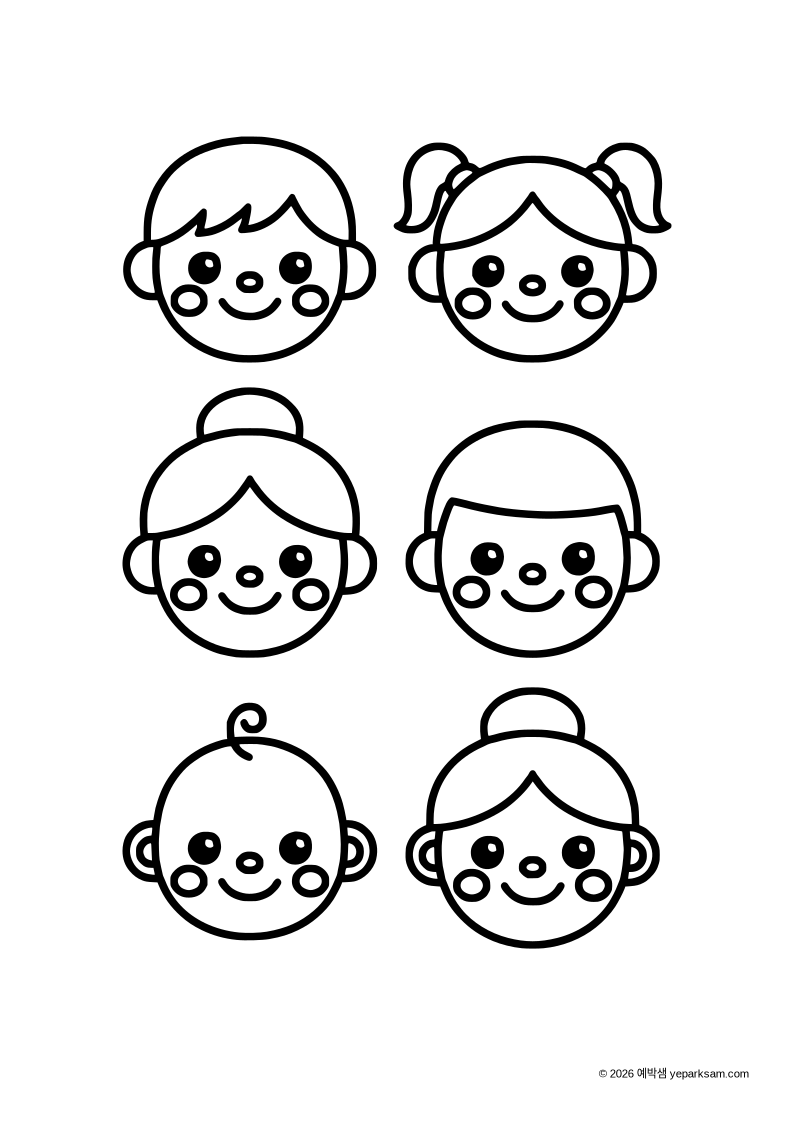
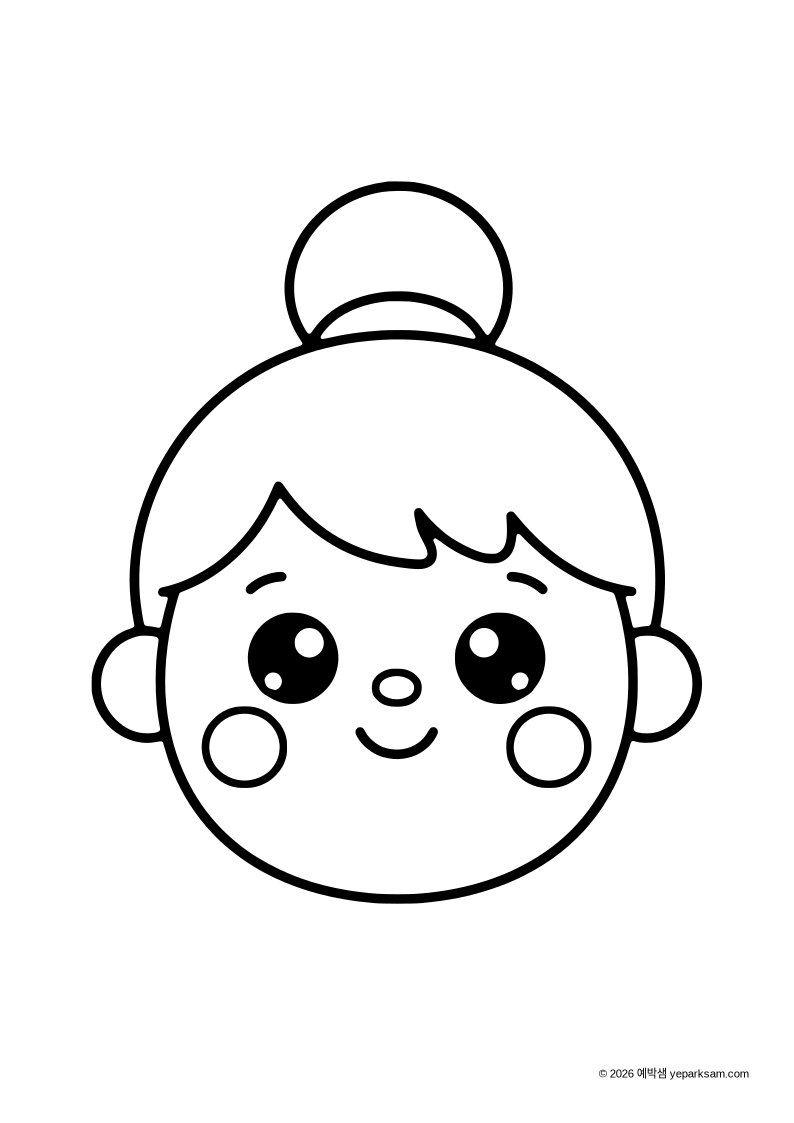
Printables to use
See more ›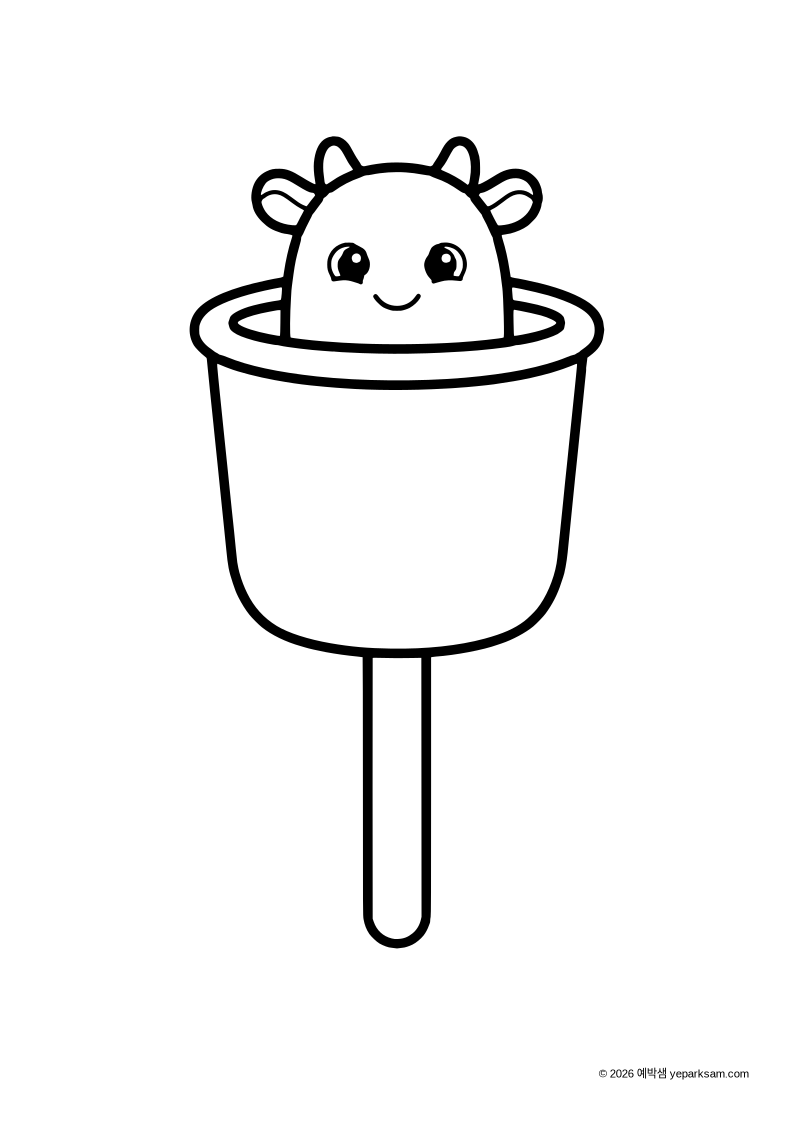
Hide in the Cup, Pop Out with a Ta-da
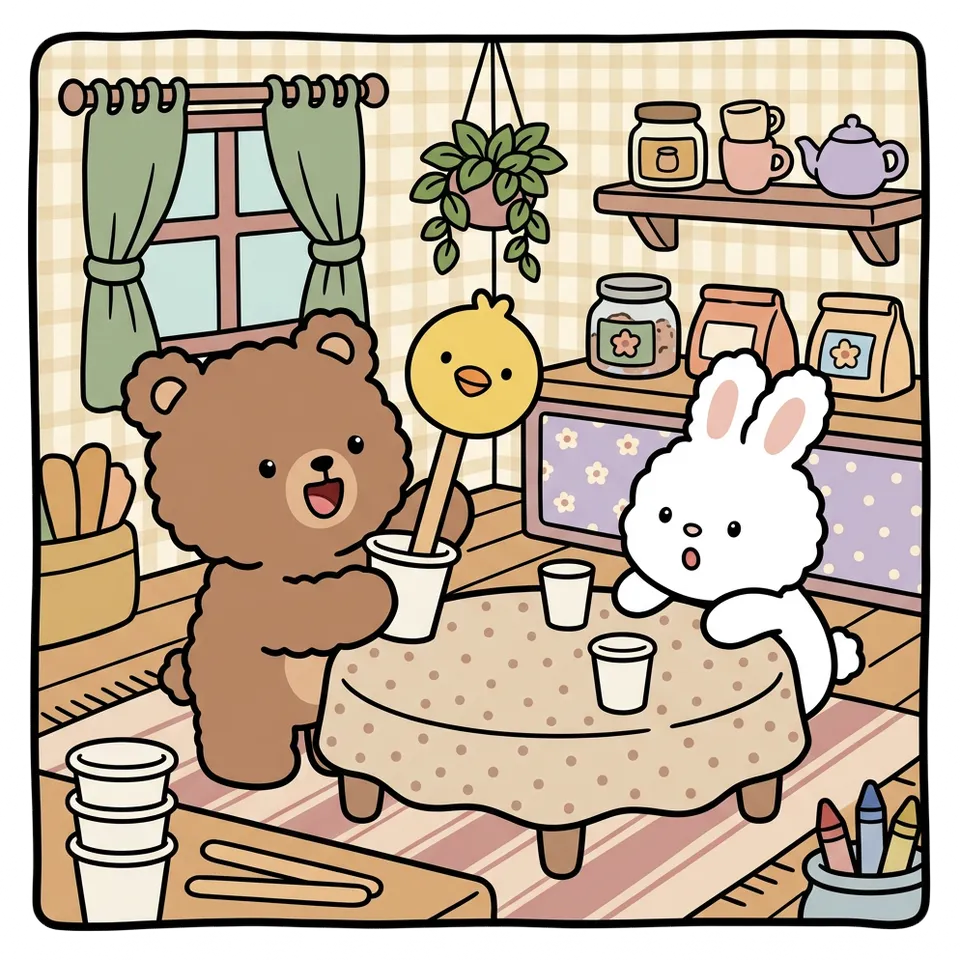
A peekaboo play where you hide a face stick puppet in a paper cup and push it up to pop out.
Why it's good
This play is about waiting for the moment something that disappeared comes back. The only thing that happens is a face vanishing and coming out again, yet children laugh every single time, no matter how many times it repeats. Once they get used to it, holding the cup and putting the puppet in and out becomes the child's job.
How to play
Slip the puppet into a paper cup, then push it up a little and the face appears. When I ask, “Huh? Where did Bori go?” the child peeks into the cup, and when I push it all the way up with “Ta-da!” they burst into giggles. I thought the fun was in pushing it up just enough to show half the face, but the child always pushes it all the way up so the whole face shows. After a few turns, they take the cup and do the putting in and pulling out themselves.
Good to know
- It's fine to leave the angle of the push to the child. It never goes the way an adult plans.
- It doesn't have to be a paper cup. Once they know the fun is in hiding and coming out, you can move it under a blanket or into your palm, and they laugh just the same when it appears.
What you'll need
Paper cups · Face stick puppet
Finding My Face and Saying Hello
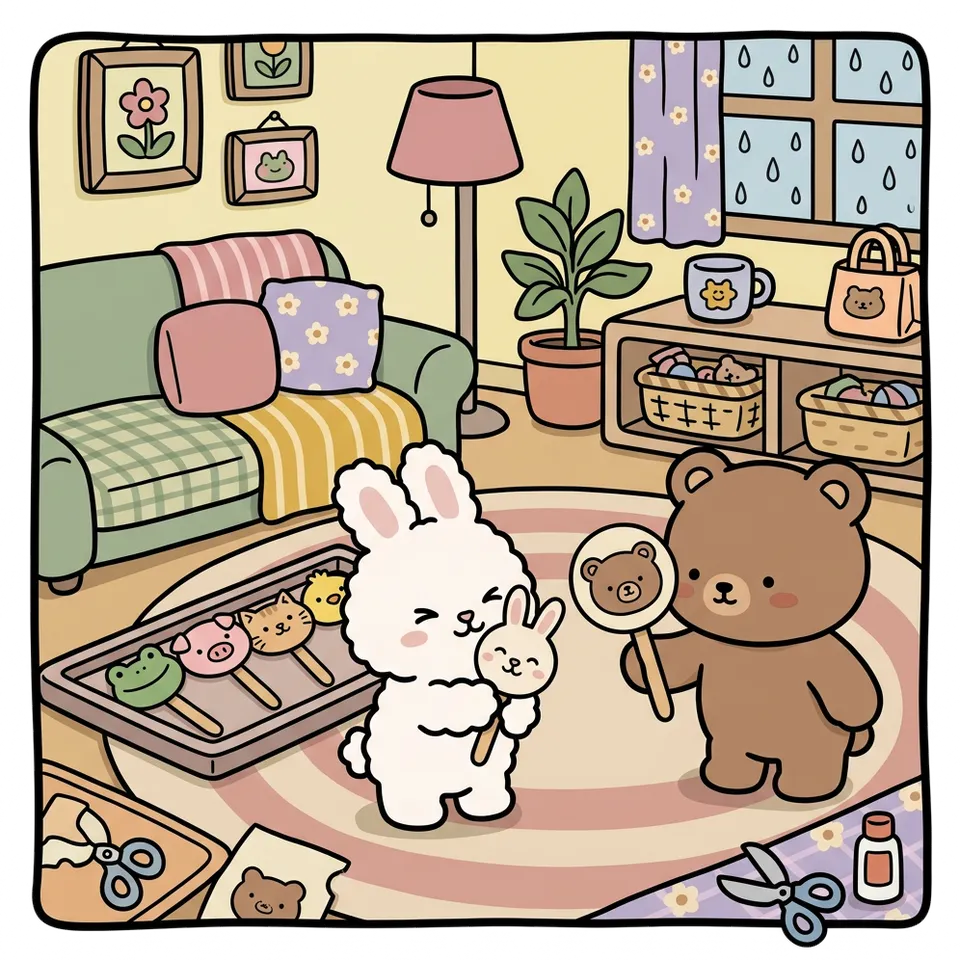
Use stick puppets with cut-out face photos to find yourself and friends and have them say hello.
Why it's good
Children recognize their own face and their friends' faces and give them names. When they recognize themselves in the photo, they hug that puppet tight, and that interest moves on to the friends' puppets, leading to calling their names and saying hello.
How to play
When I hand over the stick with their own face on it, the child looks at it for a long while. If they ask, “Is this me?” I tell them yes. Only then do they smile wide and wave the puppet, saying “I'm Bori.” If friends' faces are mixed in, they point at each one and say its name, and when they find their own, they hug it and say “So pretty.”
If I hold up my own face stick and say hello, “Hi, I'm Mom, nice to meet you,” the child holds up theirs and copies me exactly. Then they stand the two puppets face to face and have them greet each other. I set up the space, but there's no room for me to jump in, because the two of them carry the play on by themselves.
Good to know
- Mix in several faces so there's the fun of searching. If there's only the child's own face, they recognize it right away and the play is over.
- If an adult says hello first, the child follows. Even a child who is still learning to talk listens to the greeting beside them, copies it, and joins in.
What you'll need
Face photos of the child, family, and friends · Sticks
Waving Like a Fan
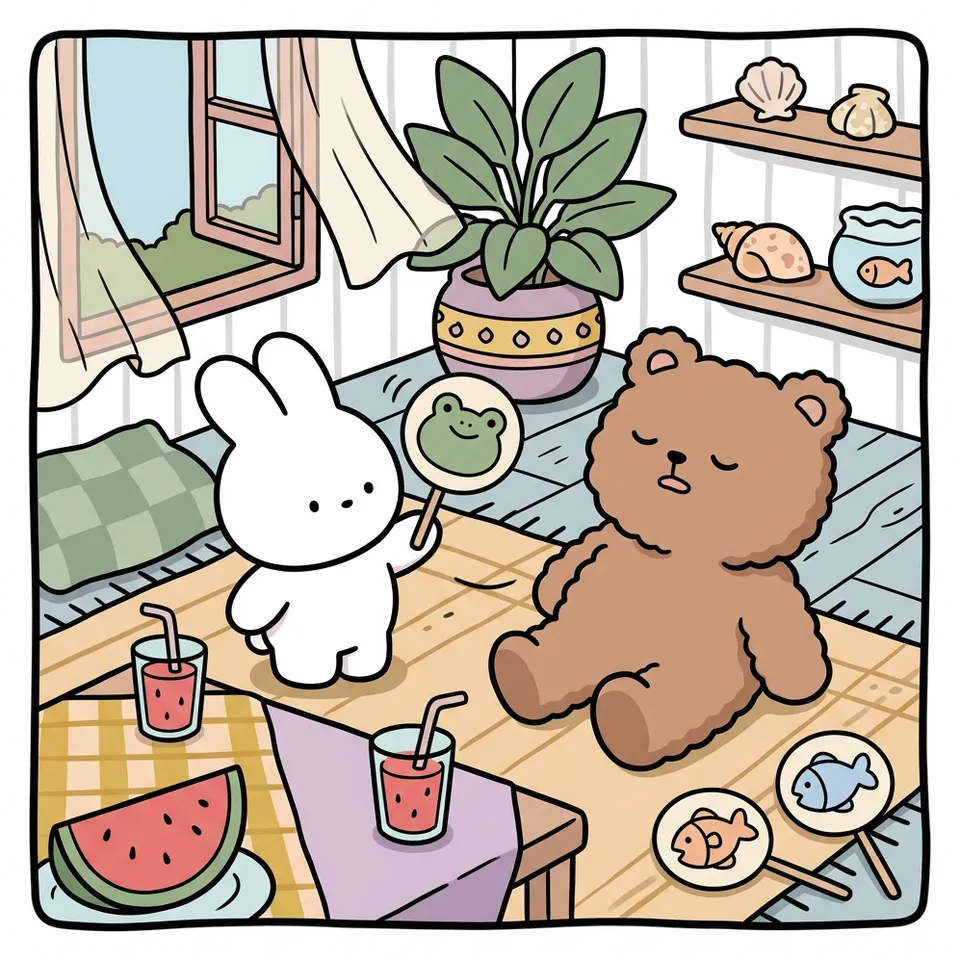
Wave a stick puppet in front of your face like a fan to make a breeze.
Why it's good
The child notices on their own that waving the puppet makes wind, and gives it a name. With puppets that have family faces, a role comes along too, whose fan it is, and it grows into fanning the breeze toward someone else.
Books to read together


How to play
Wave the puppet in front of your face and a breeze comes. The child notices first. “It makes it cool like a fan,” they name it themselves. With puppets that have family faces, I say “Mom's fan!” to a child who is fanning themselves and saying “Ahh, so hot~” When they hand me another stick and say “This one is Dad's,” the child decides whose fan each puppet is. You can share the breeze too. We send wind toward each other, look at the cool faces, and laugh together.
Good to know
- If you bring it out on a hot day, there's nothing to explain. The breeze starts the moment they wave it, and the play begins by itself.
- The picture on the puppet changes the play. If there's a butterfly on it, it can turn into pretending to be a flying butterfly instead of a fan.
What you'll need
Several stick puppets with family faces
Making Shadows Big and Small
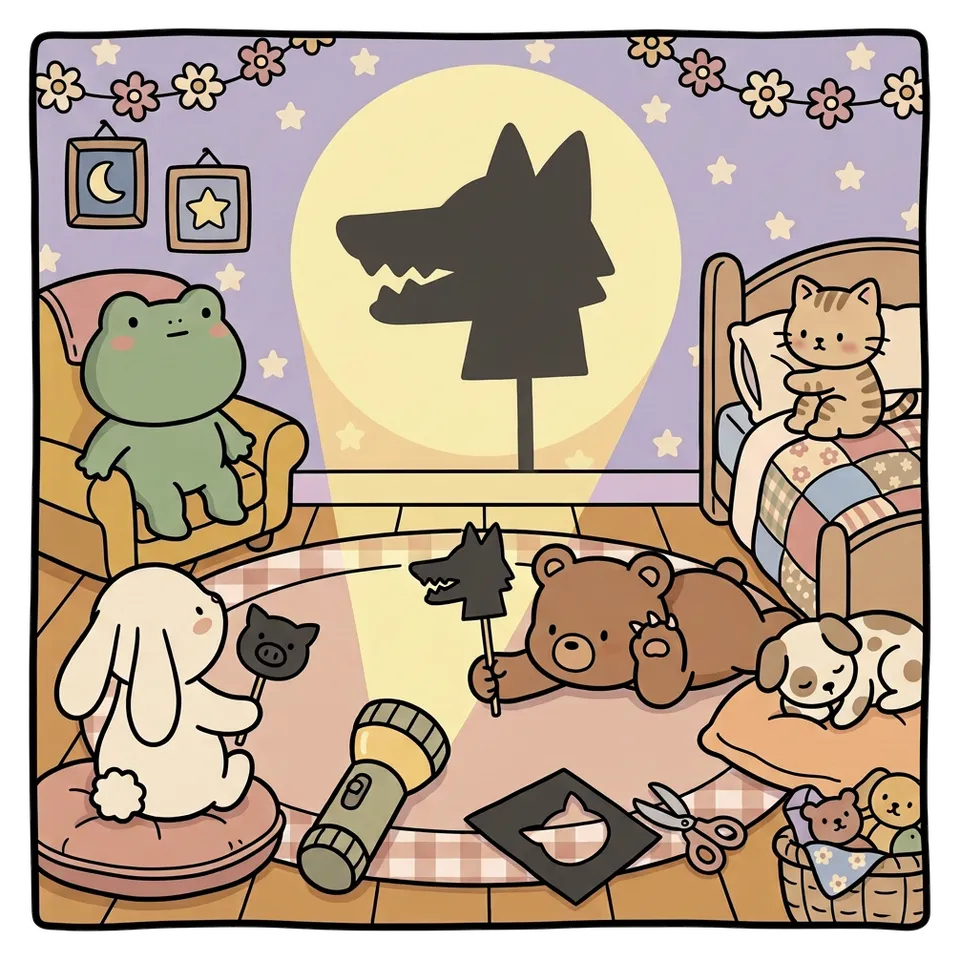
Shine a flashlight on the wall to cast a stick puppet's shadow and change its size.
Why it's good
A play where you watch with your own eyes a puppet grow and shrink with just one flashlight. Even without knowing why, the child is the first to notice that it changes.
Books to read together

How to play
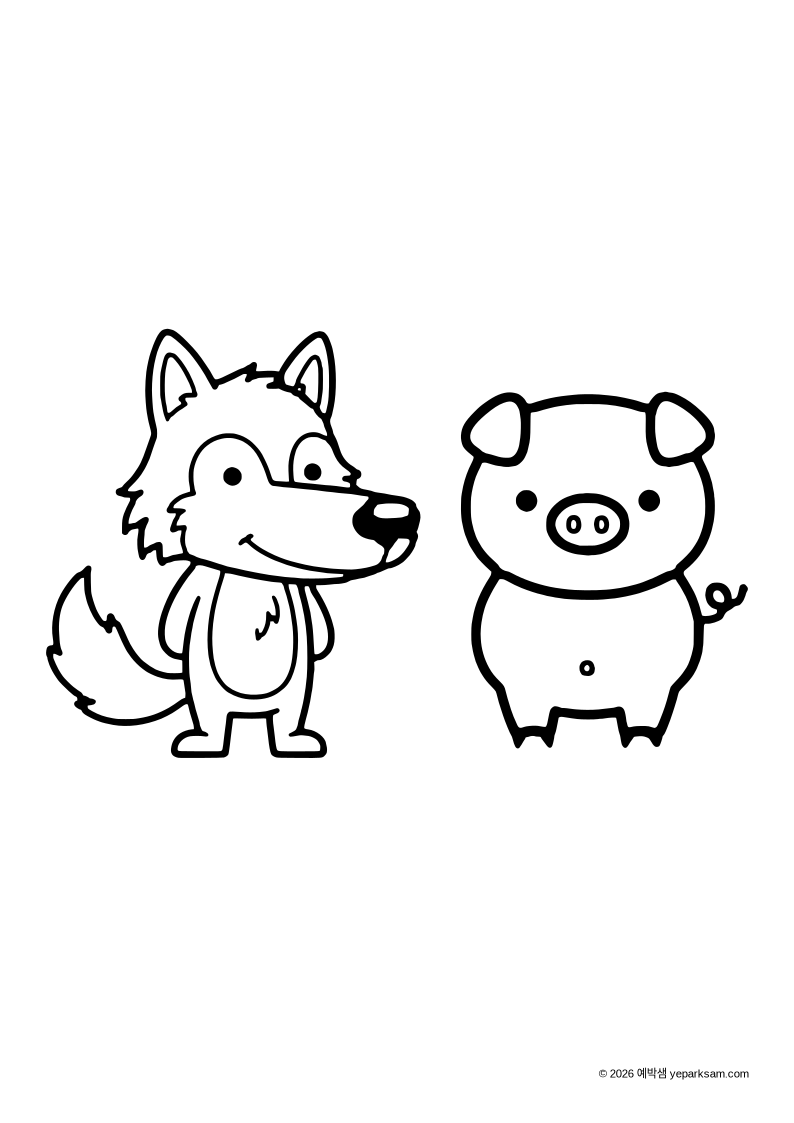
Turn off the lights, shine the flashlight toward the wall, and stand a stick puppet in between, and a shadow appears. Move the puppet close to the light and the shadow gets bigger; pull it away and it gets smaller. “The pig got small,” the child notices first. With two puppets, it becomes a story. They each take one, a wolf and a pig; one waves the wolf, “The wolf appeared, grrr,” and the other stands up the pig, “I built my house out of bricks.” They use a different voice for each puppet.
Good to know
- Fights break out when there aren't enough puppets. In that case, draw one on black paper, cut it out, and tape on just a stick, and you have one more. Children cherish the puppet they made themselves even more.
What you'll need
Flashlight · Two or more stick puppets · Black paper and scissors
Holding a Wedding Puppet Show
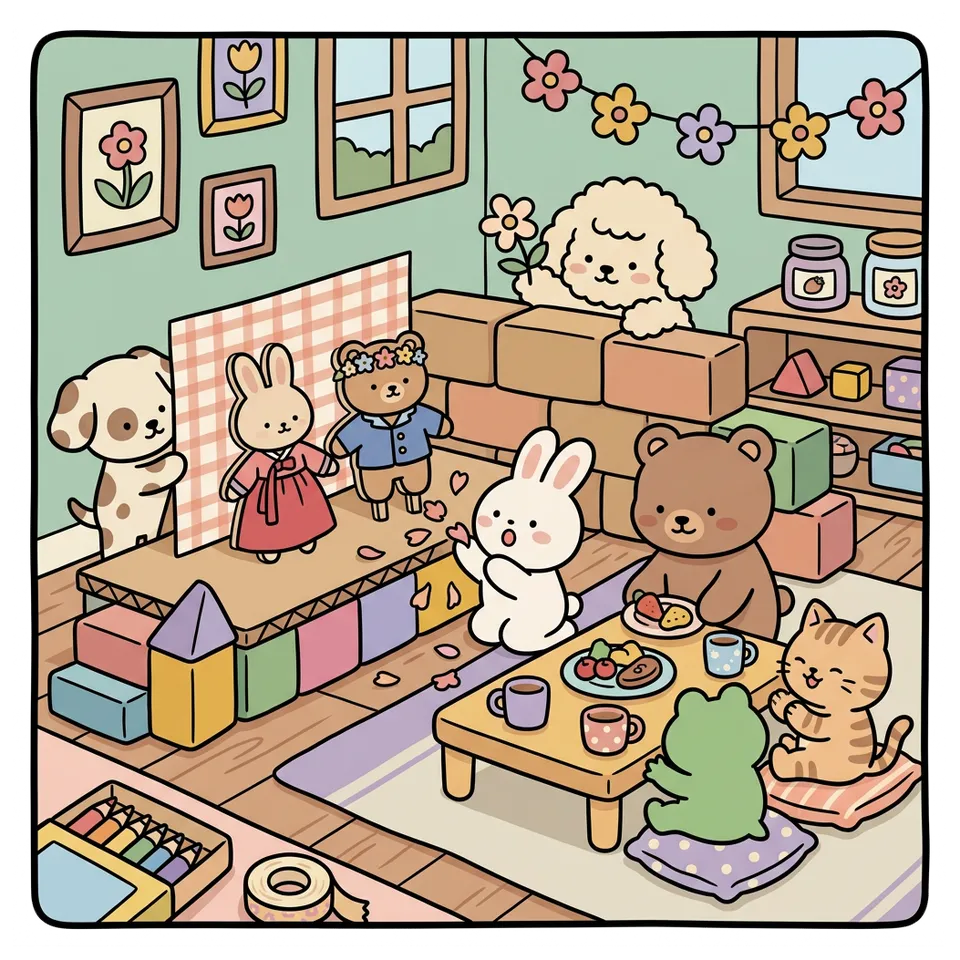
Attach sticks to paper templates dressed in traditional clothes from countries around the world to make puppets, and put on a wedding puppet show with them.
Why it's good
A play where the children divide up their own jobs around one event, a wedding. Roles split naturally: one child invites the guests, one gathers props, one sets out food. And when a question comes up while coloring the templates, there's no right answer, and they keep playing with answers of their own.
How to play
If a sibling or a visiting friend is there, the children decide on roles the moment the sticks are attached. One child calls out to the guests, “This is the wedding hall. Please come celebrate.” Another gathers props, “A wedding hall can't be without flowers, let's scatter these petals too.” One child brings food from the play kitchen and sets the guests' table. While coloring the clothes, they ask and answer each other's questions and keep coloring, “This outfit is called a qipao, it's red,” “People in this country must like red.”
When the puppets are done, the space built with blocks becomes the stage just as it is, what they stacked with paper bricks becomes the wedding hall, and the puppet show begins.
Good to know
- Once they finish one puppet, they make the next ones alone, as if to say they're good at making now. The first time, I have to help even with attaching the stick, but from the second puppet on they choose colors and attach the stick by themselves.
- It's fine not to know the answers. Even if they don't know the name of a country or what a clothing color means, the children make up answers of their own and the play doesn't stop.
What you'll need
Traditional Clothes Templates from around the world · Sticks · Colored pencils · Tape · Blocks or building toys