Play Ideas with Riddles
The questions always come from the child. When they ask “What's this?” or “Why is it like that?”, I'm the one who answers.
But with riddles, that gets turned around. When a child holds out a lump of clay and says “What is it?”, this time I'm the one who doesn't know. No materials are needed, only words and bodies, so you can do it in the car or at the table while waiting for food.
This page was translated by Yeparksam, a preschool teacher in Korea. Some words may sound a little unusual — thank you for your understanding.
Printables to use
See more ›
Asking Riddles and Switching Roles
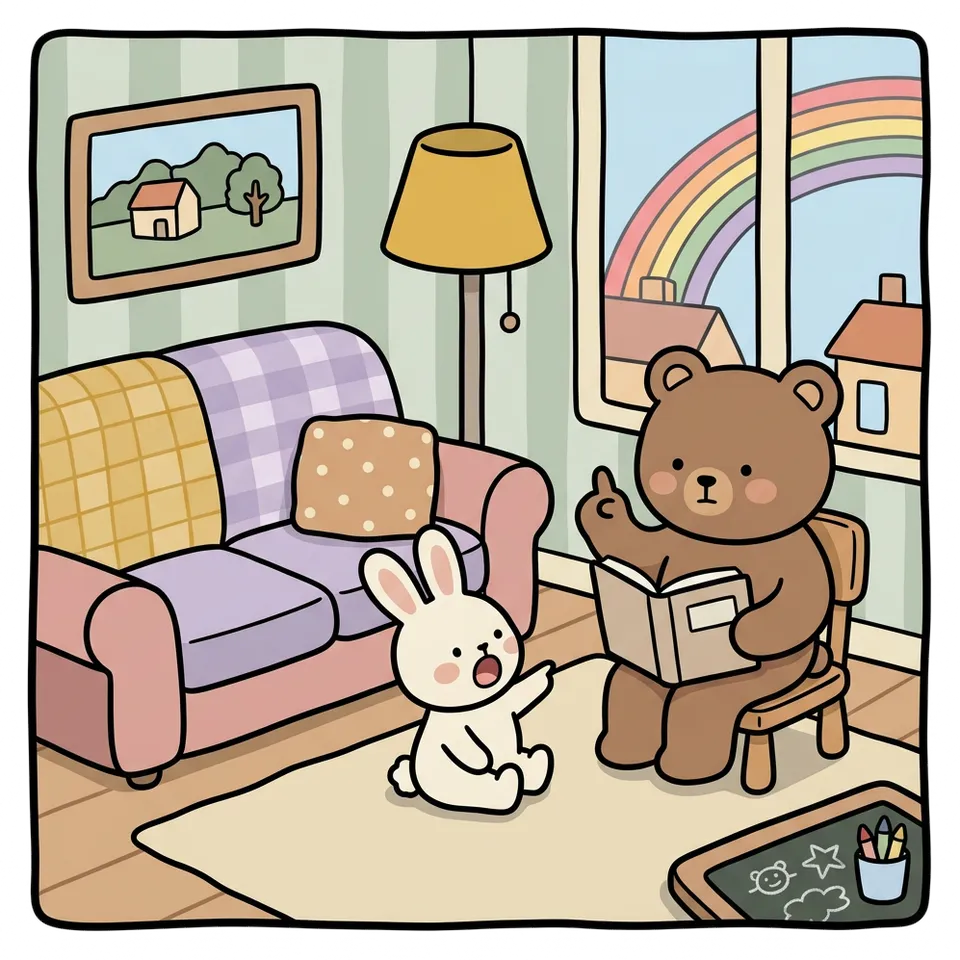
The adult describes something in the house by what it does instead of by its name, as a riddle. After guessing a few, the child gets to make up the riddle this time, in a word game.
Why it's good
When you describe an object you always call by name only by what it does, it becomes a riddle. And once they are the one asking, they learn that the answer they know might be something Mom doesn't know.
How to play
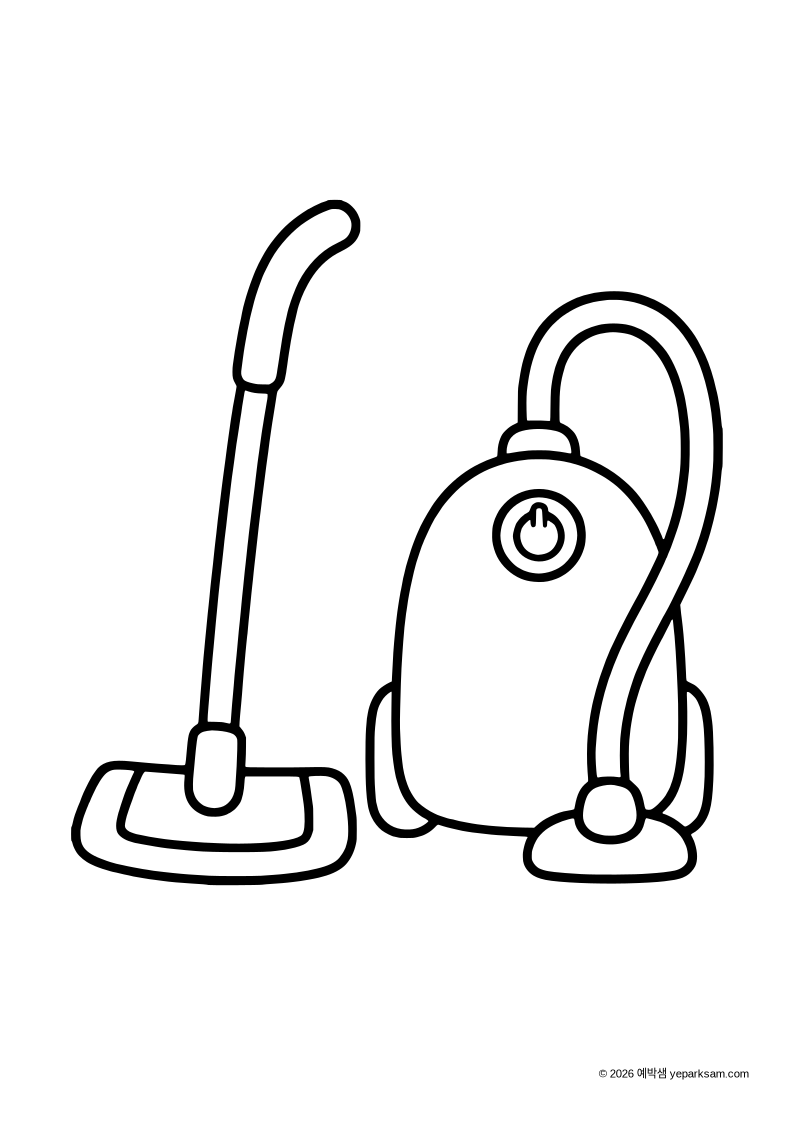
“I'm in the house, and I make dirty hands clean. You use me with water, and I make bubbles.” The child thought for a moment, then said “Soap!”, “The thing you use when you wash your hands!” For “I make the floor clean. You use me by pushing.” they said “A mop!” and also “A vacuum!” Both make sense.
After guessing a few, they said “I can guess too!” and then “Next, Mom, you guess my riddle!” The child's riddle was “This can be a book and a calendar.” When I said “Paper!” they said “Correct.” An older child wrote numbers on the board and said “What's 10 plus 2?” then announced “This time it's really hard.”
Once a child sat on a chair and said “I'll give you a quiz!” “Who is in the sky?” The younger sibling said “A rainbow!” and the child said “Correct~” The sibling came with a picture book and said “Give me a question~” and after opening the book, the child asked “What did the prince say to the people?” The sibling said “Um.. come at 12 o'clock?” and again: “Correct!”
Good to know
- When several answers come up, don't narrow them to one. A mop and a vacuum are both things you push, so if you say both are right, they happily move on to the next riddle.
- Don't correct a child's riddle even if it doesn't hold together. A rainbow counting as the right answer is the fun of this play.
Guessing What Was Made
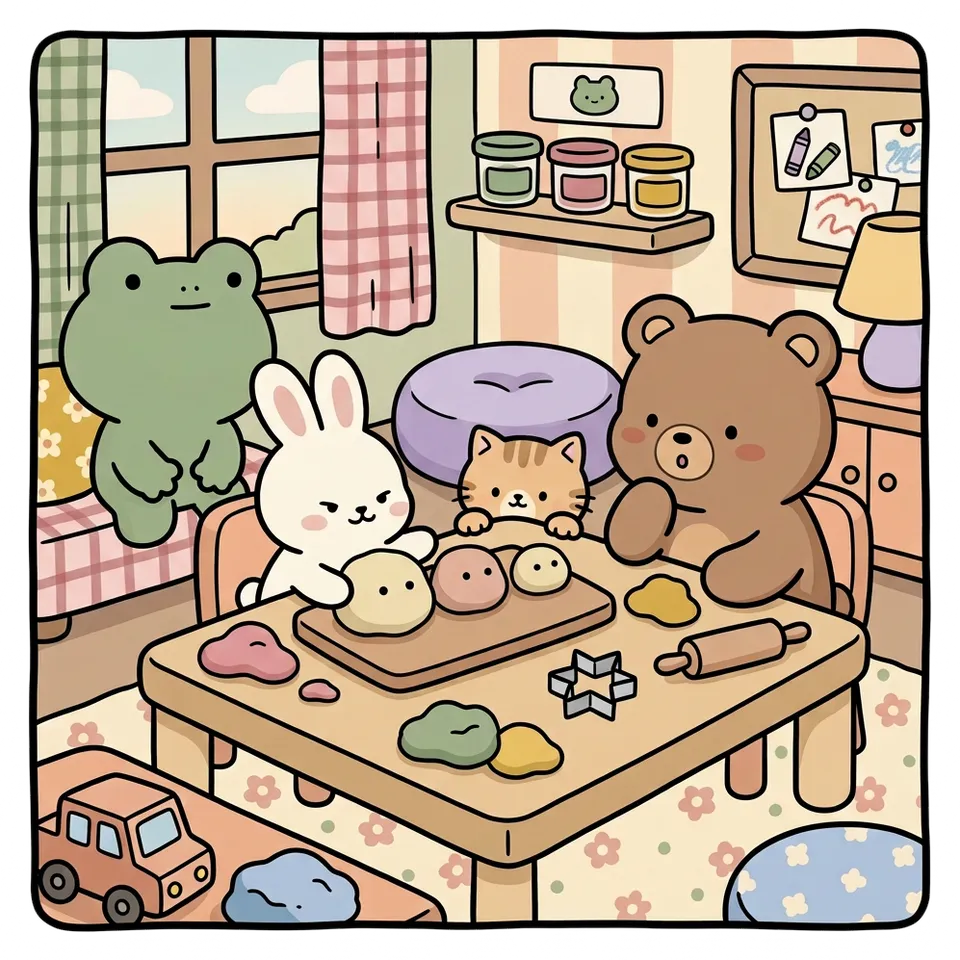
The child holds out something made of clay or blocks and asks you to guess what it is. When the adult guesses, the child tells whether it was right.
Why it's good
Only I know what I made. They learn that it looks different to Mom by hearing the wrong guesses and explaining it in their own words.
How to play
They rolled the clay into round balls and said “What is it?” I said “Animal poop?” and they said “No,” and told me it was Mom, Dad, and themselves. It was the family. Then they added “They ate so much they got fat like this.”
They made something with blocks and brought it over: “What is this?” I said “Hmm~ a car?” The child said “It's a police car~” and pointed out one part at a time, here is this and there is that.
Good to know
- You don't need to try hard to guess right. The more Mom gets it wrong, the more the child adds to the explanation.
What you'll need
Clay · Blocks
Riddles with the Body
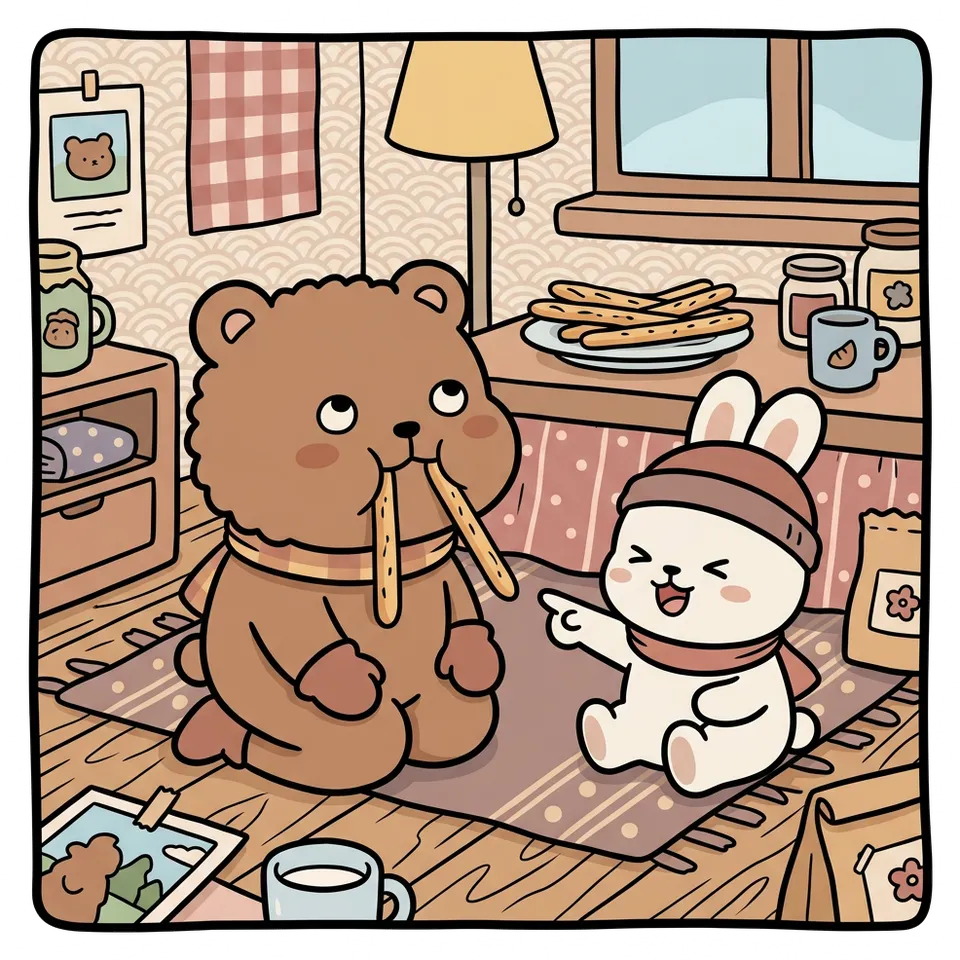
Cover a picture with a foot and then show it, hold a snack in your mouth and pretend to be something, or make sounds with your body, and ask the child to guess what it is.
Why it's good
Just covering something and uncovering it, or just holding something in your mouth, makes a riddle. Even children with few words play it like peekaboo, asking riddles and guessing with their own bodies.
How to play
They stood with both feet on a picture stuck on the floor, hiding it, and said “What's there~” I said “A toilet!” and they said “Right~” and showed me by spreading their feet apart. Then they covered and uncovered it with their hands and feet.
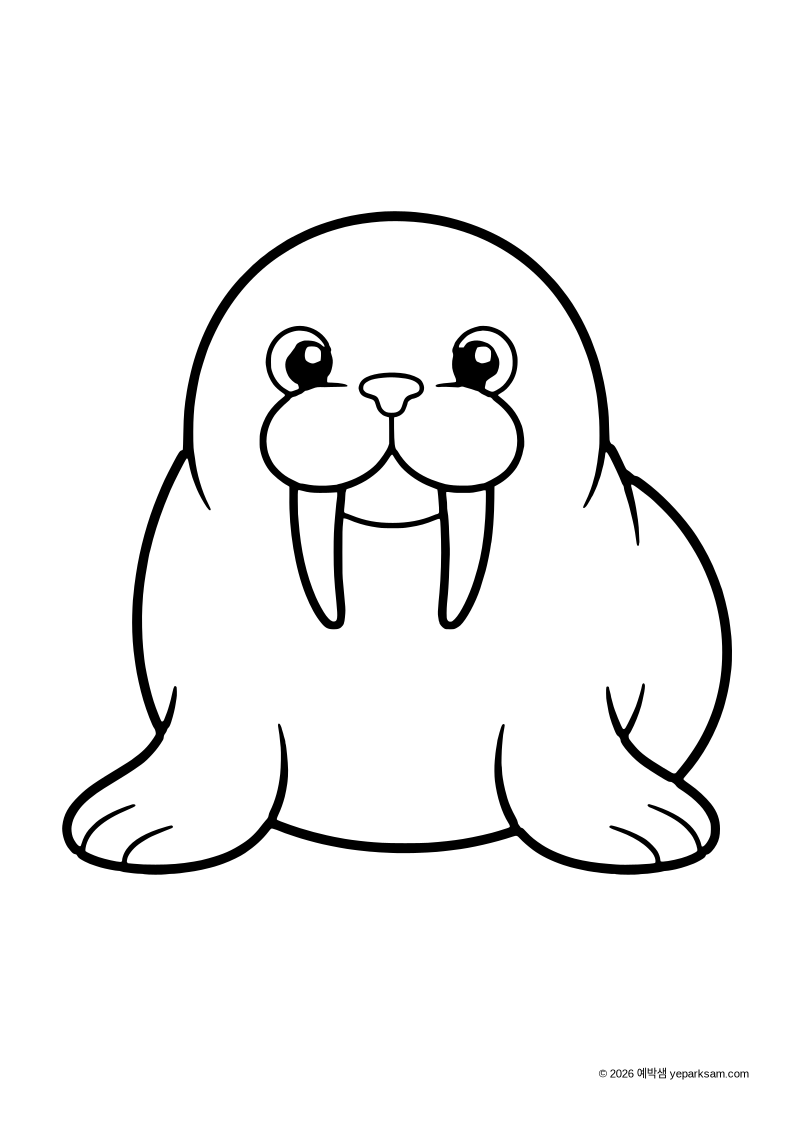
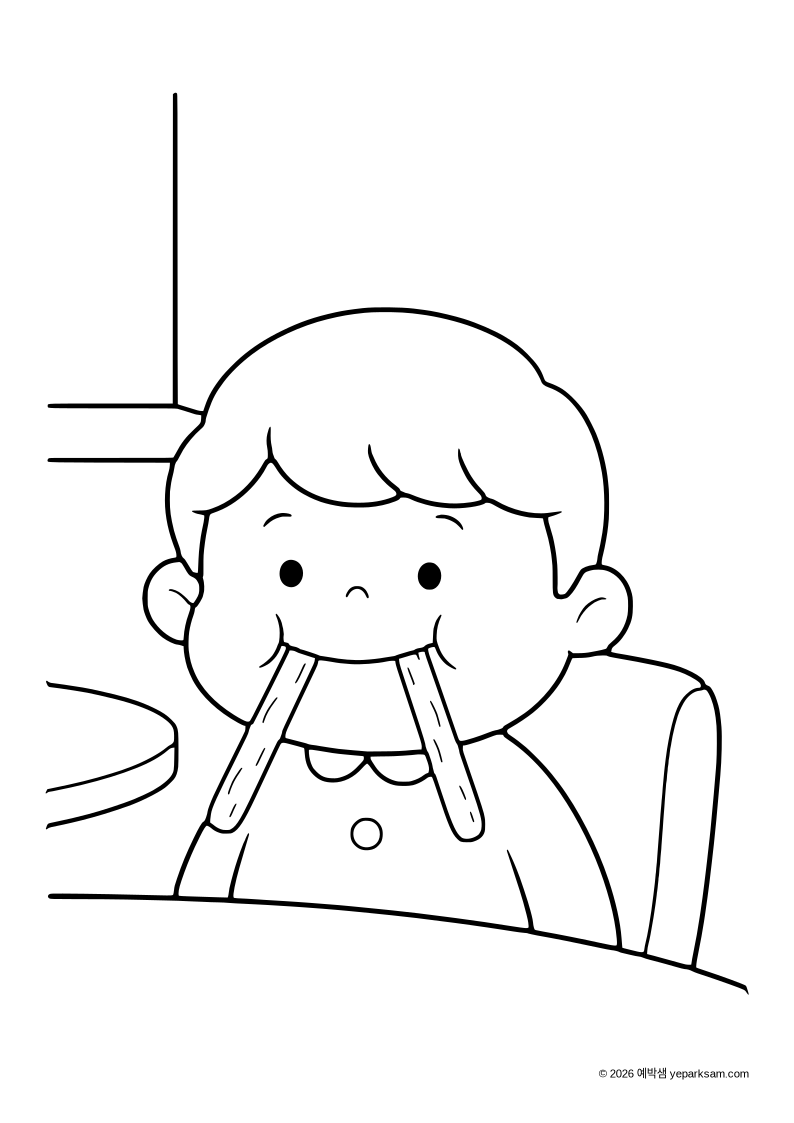
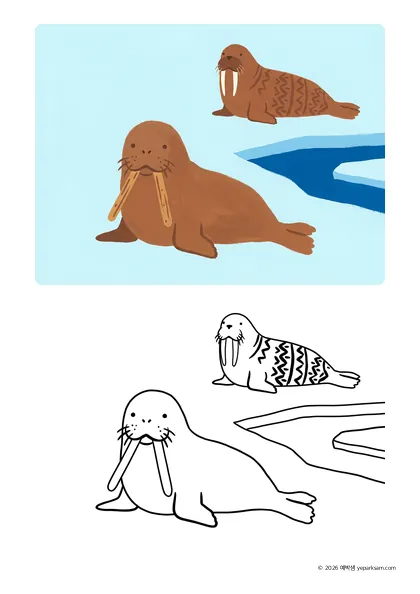
They held snack sticks on both sides of their mouth and said “What is this?” I said “An elephant?” and they said “Correct! But it's a walrus,” and laughed. A friend who had come to play said “Walruses and land elephants both have teeth like that, right?”
While we were playing, a stomach gurgled and the younger sibling said “What is that sound?” and the child said “Hungry belly sound,” laughing. When I made a “pooo-ong” sound with my mouth, they ran away saying “Ugh! A fart sound,” and said “Mom! Let's play a guessing quiz!” After that we took turns making sounds and guessing.
Good to know
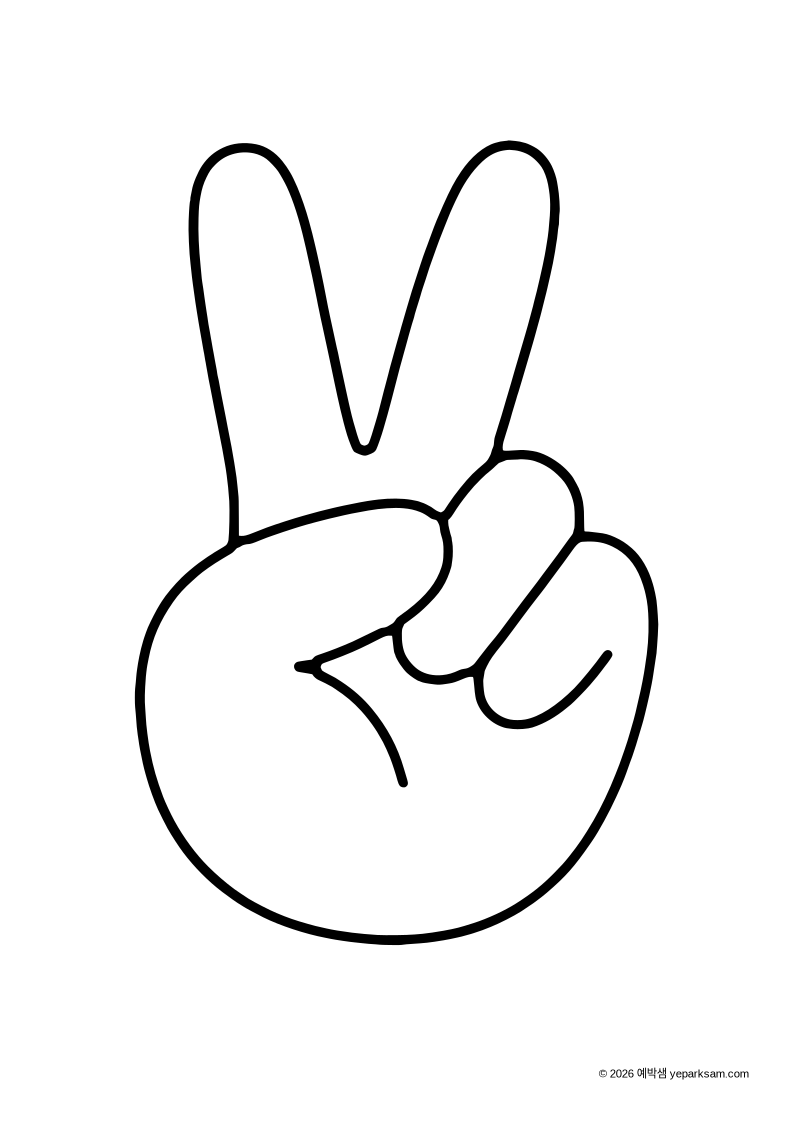
- You can also do it outside with shadows when the sun is out. Two fingers up over the head becomes a rabbit, and waving both arms becomes an eagle, and you ask riddles with the shadows.
What you'll need
One picture to stick on the floor (if you have one)