Play Ideas with Songpyeon (Half-Moon Rice Cakes) and Garaetteok (Long Rice Cake Sticks)
Have you ever sliced garaetteok (long rice cake sticks)? Put a knife to it and it just gets pushed away and hardly cuts. I got only a sore wrist a few times myself. But set that garaetteok in front of a child, and the very moment that gives adults a hard time becomes play for the child.
And there's plenty to do with tteok (rice cake) before slicing too. Shaping, pounding, stamping patterns, even selling — as many hands as it takes, that much play comes out of it.
This page was translated by Yeparksam, a preschool teacher in Korea. Some words may sound a little unusual — thank you for your understanding.
Printables to use
See more ›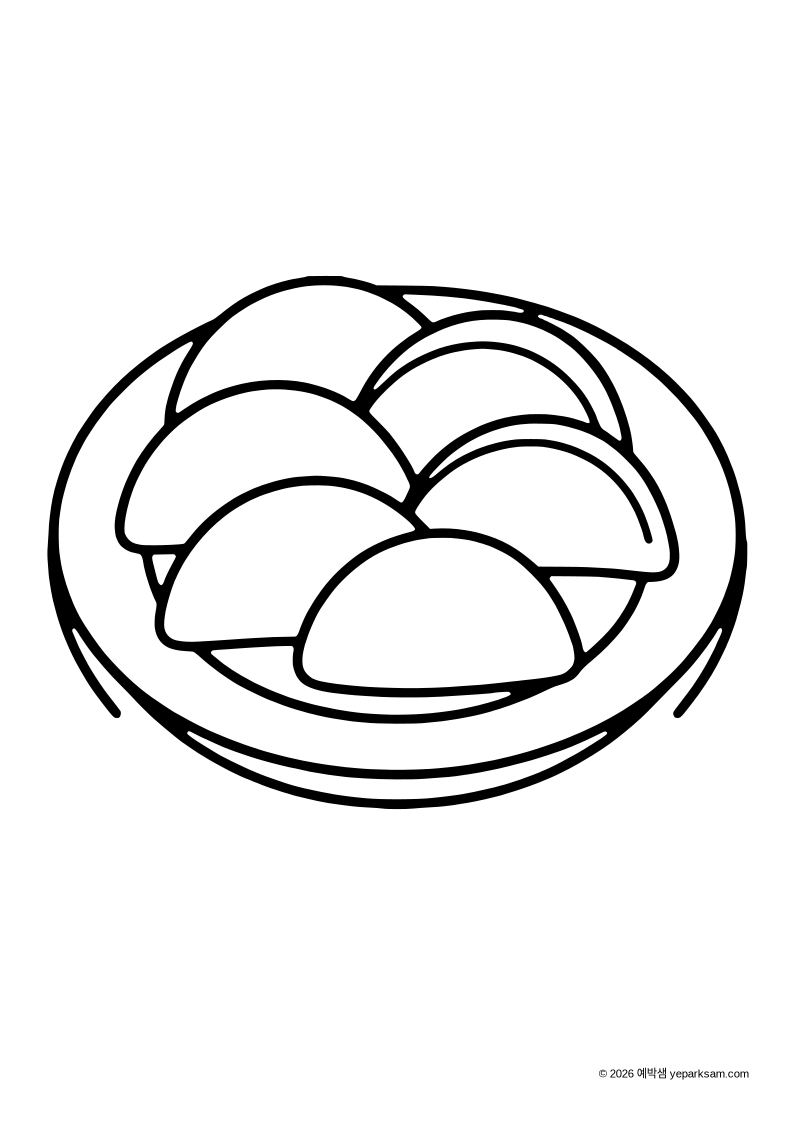
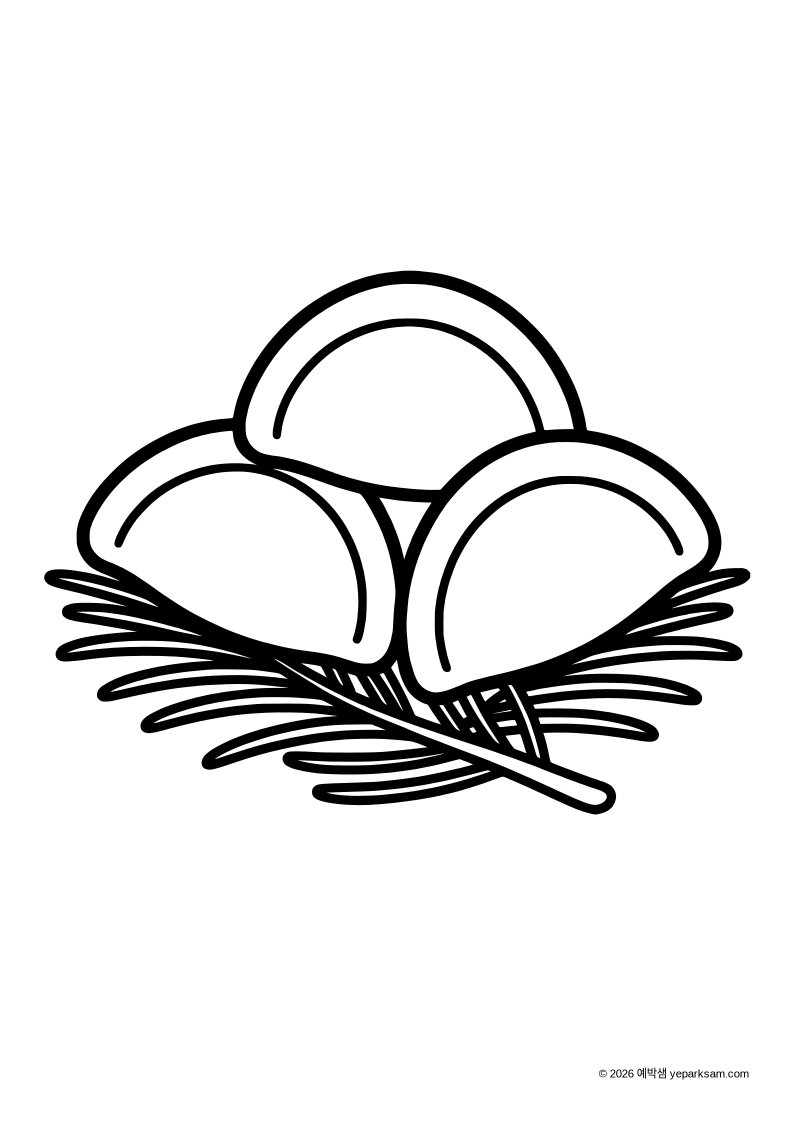
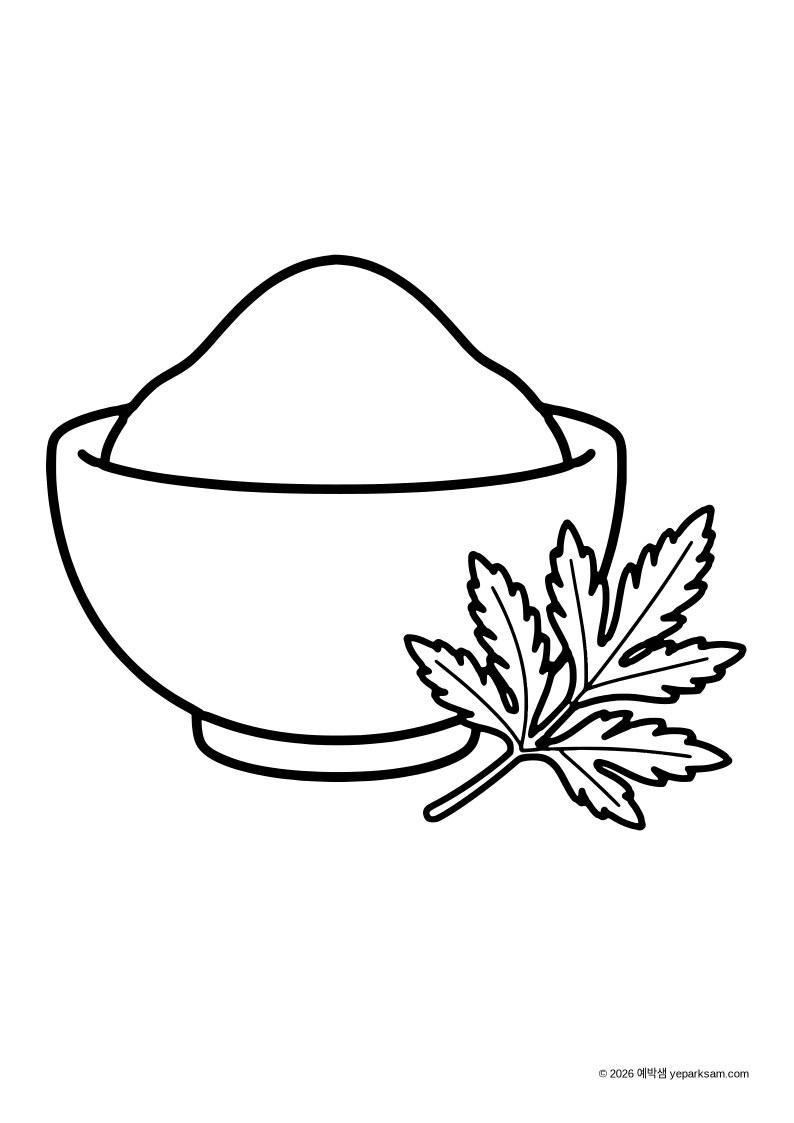
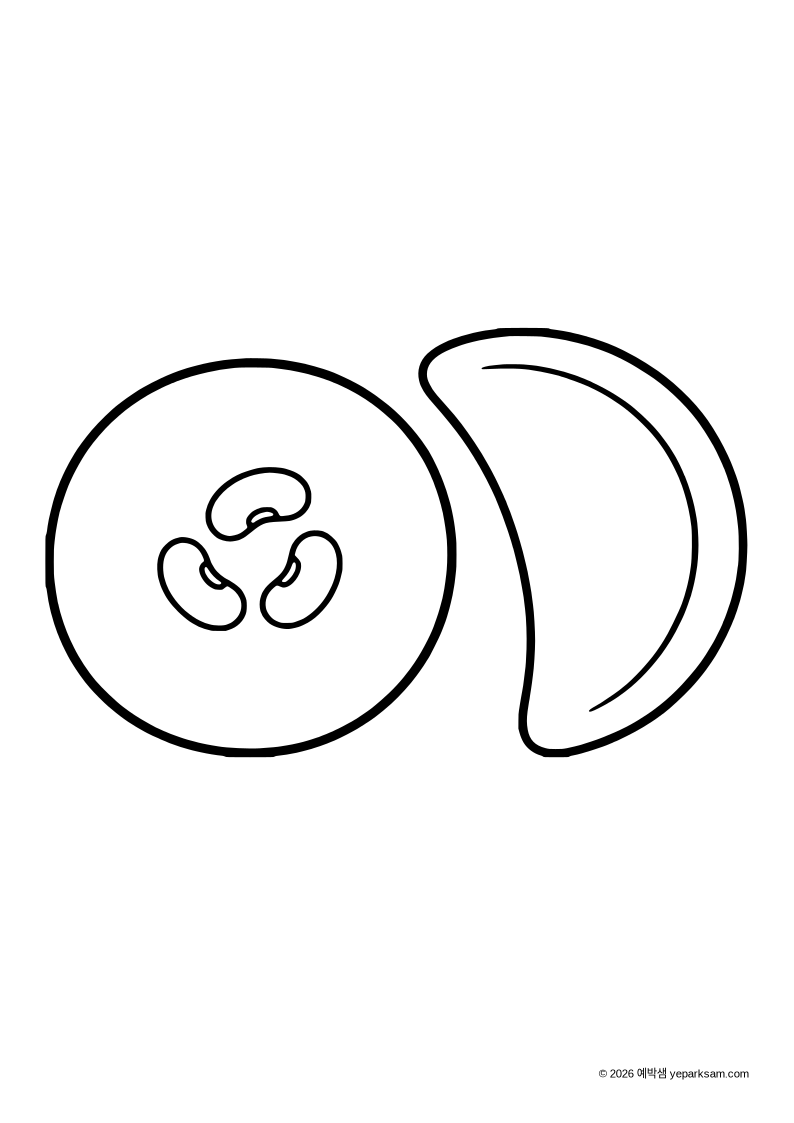
The More You Pound, the More It Turns to Powder
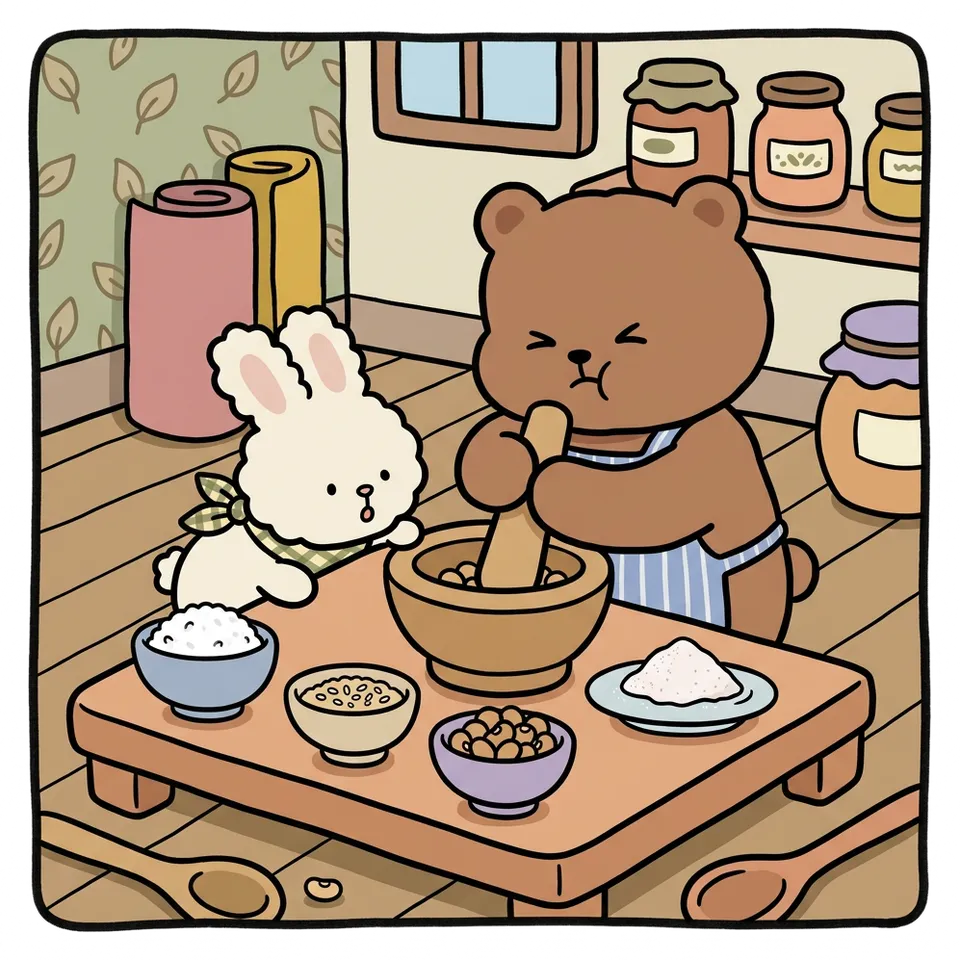
Put rice, sesame, or beans in a mortar and pound them with a pestle, and watch the grains turn into powder.
Why it's good
Before pounding, they predict what will happen, then pound to check if they were right. Rice becomes powder quickly as guessed, and beans, just as someone said, don't break easily and only crack when pressed hard.
How to play
Lay out rice, sesame, and beans, and the talk begins even before they go in the mortar. “Rice will become powder”, “Beans are thick and hard, so maybe they won't break well” — before pounding they already predict the result as if placing a bet. Then they pick up a real pestle and press. Rice quickly turns to powder as predicted, but the beans stay as they are no matter how hard they press.
“I think we need to press harder”, they say, and only after everyone pushes together do the beans slowly start to break. The child who said the beans wouldn't break easily was right.
Good to know
- A small mortar works better with turns than alone. It's a motion that tires hands quickly, so passing it back and forth makes it last.
What you'll need
Mortar and pestle · Grains such as rice, sesame, beans
White Powder Turns Green
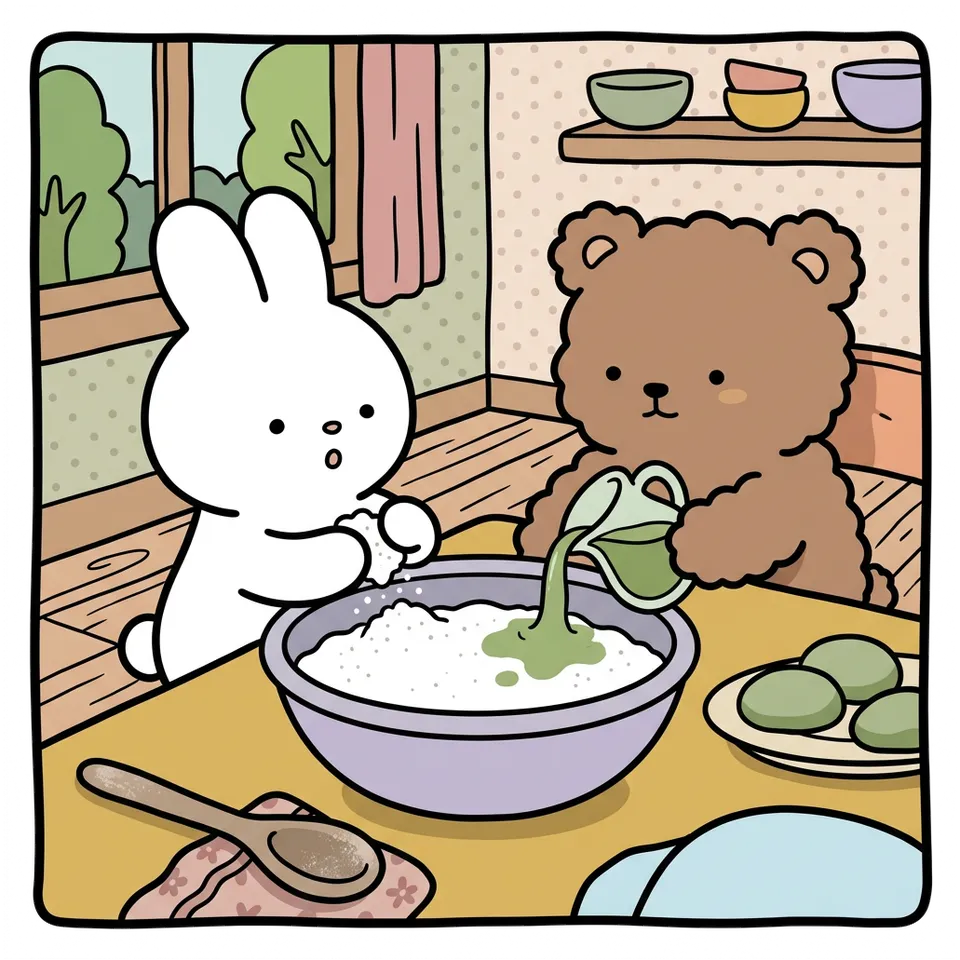
Touch white rice powder and squeeze it into clumps, and when you mix in a colored juice, the color changes.
Why it's good
They see for themselves the white powder turn green in their hands. What color it will become, you don't know until you mix.
How to play
Put a handful of rice powder in their hands and they first rub it between their palms. “It's like snow falling”, they say, and then, “It goes squeak-squeak and it's so soft”. When I pour in the green ssuk (mugwort) juice pounded in the mortar, the color starts to change. “White turned green”, they say in wonder, and once the dough is done they roll it round in both hands and press it flat. In front of them I watched the child's face at every moment the color changed. Each time, the face changed before the words.
Good to know
- Let them touch the white powder plenty before mixing in color. If you pour first, they never get to see the white powder and only touch the colored dough.
What you'll need
Rice powder · Colored juice (mugwort juice, etc.)
Boom, Pounding Tteok
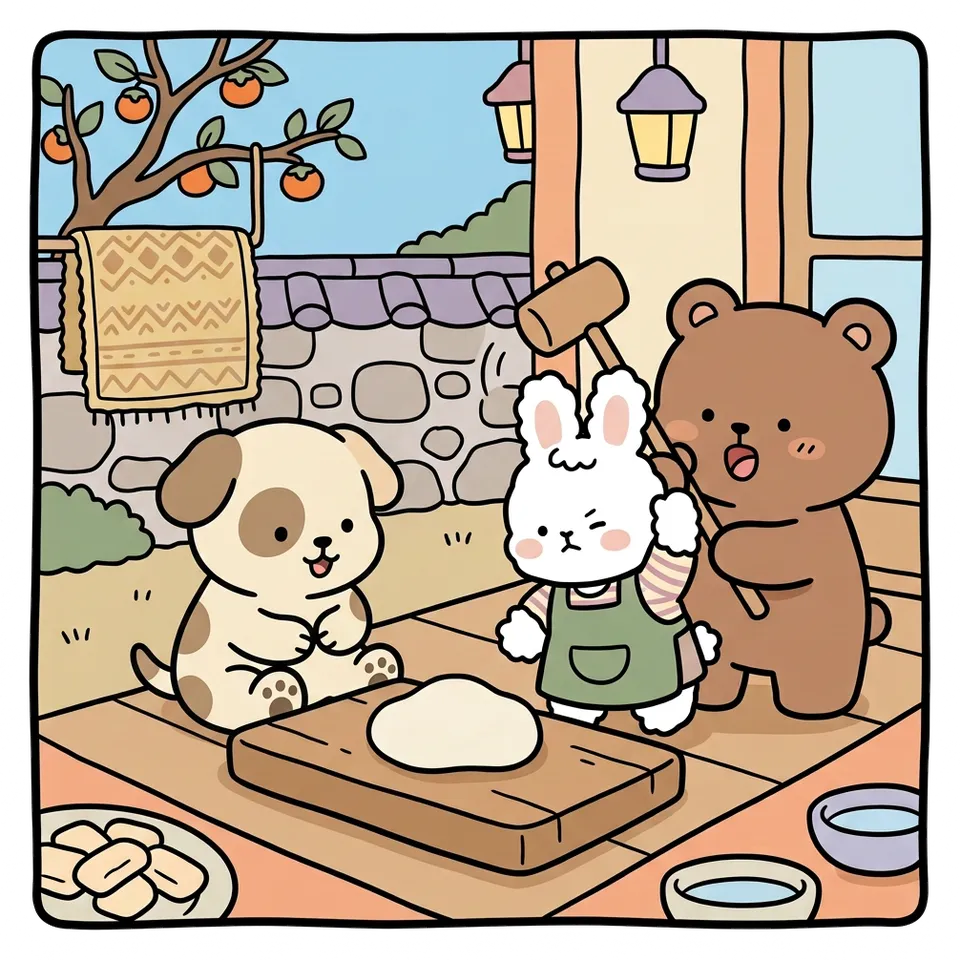
Hold a rolling pin or wooden mallet in both hands and pound the dough as hard as you can.
Why it's good
A play where the child can use all the strength they have. Hitting something hard is usually stopped, but here the harder you hit, the better you did, so there's no reason to hold back.
How to play
When I put dough on the cutting board and hold out the mallet, the child steps up, “I'll go first”. Gripping with both hands and slamming down with all their strength, when a "Boom" sound comes, they finally laugh and say “It's like real tteok”. After a few more hits, “It's chewy tteok now!” It's the same dough as before, but since they hit it, they call it tteok.
When their younger sibling kept missing, I was about to step in and show them, but before I could, the child who'd just had a turn said “Hold it like this” and showed their own way.
Good to know
- Clay or soft dough works as a substitute. Even without a real tteok mallet, the motion of pounding with a tool is itself the play.
What you'll need
Clay or soft dough · Rolling pin or wooden mallet
It Won't Cut, So Hands It Is
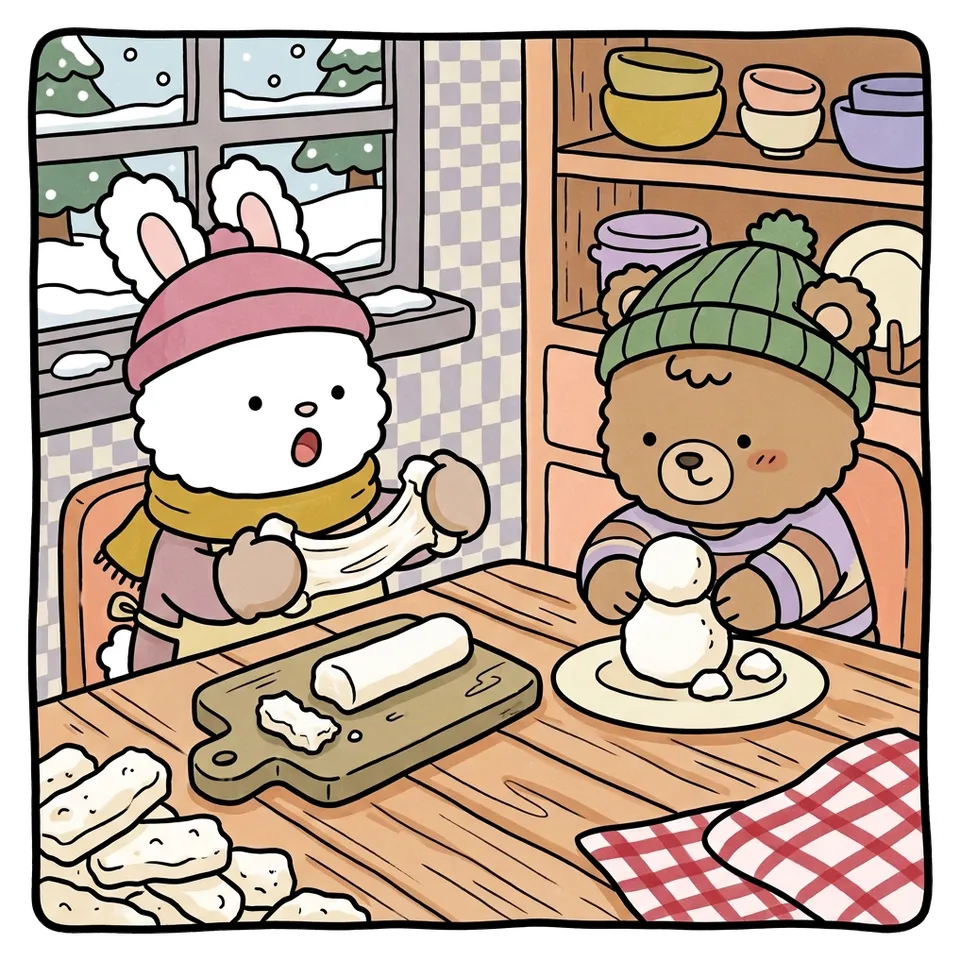
Put a long garaetteok (rice cake stick) on a cutting board and try to slice it with a knife, but it will not cut easily even when you push hard.
Why it's good
Put a knife to garaetteok and instead of being cut, it gets pushed away. The more you press, the more it just slides, so by hand they notice that "cut it and it's cut" isn't always true.
How to play
When I put a strip of garaetteok on the cutting board, the child grabs a knife straight away. But even pushing with the knife, the tteok just slides this way and that and doesn't cut. A child who can't yet balance a child's knife swings and misses a few times, then just holds it in both hands, stretches it long and snaps it. They worked out on their own that if the knife doesn't work, you can tear it by hand.
Once the cut pieces are laid out, it changes again. A round piece becomes a snowman, a long piece becomes a turtle or a police car. I saw them as just pieces of tteok, but each time I asked “What's this?”, a different thing came out of the child's hands.
Good to know
- If they're about to give up after failing to cut, make one score with the knife. If an adult just lightly makes a mark, the child's own strength can finish the cut from there. But if you do it from the start, there's no room for them to find a way themselves.
- It's fine if the cuts are crooked. Even if all the sizes differ, the child is proud just to say “I did it”.
What you'll need
Garaetteok · Cutting board · Child's knife
Fill It and Shape a Half-Moon
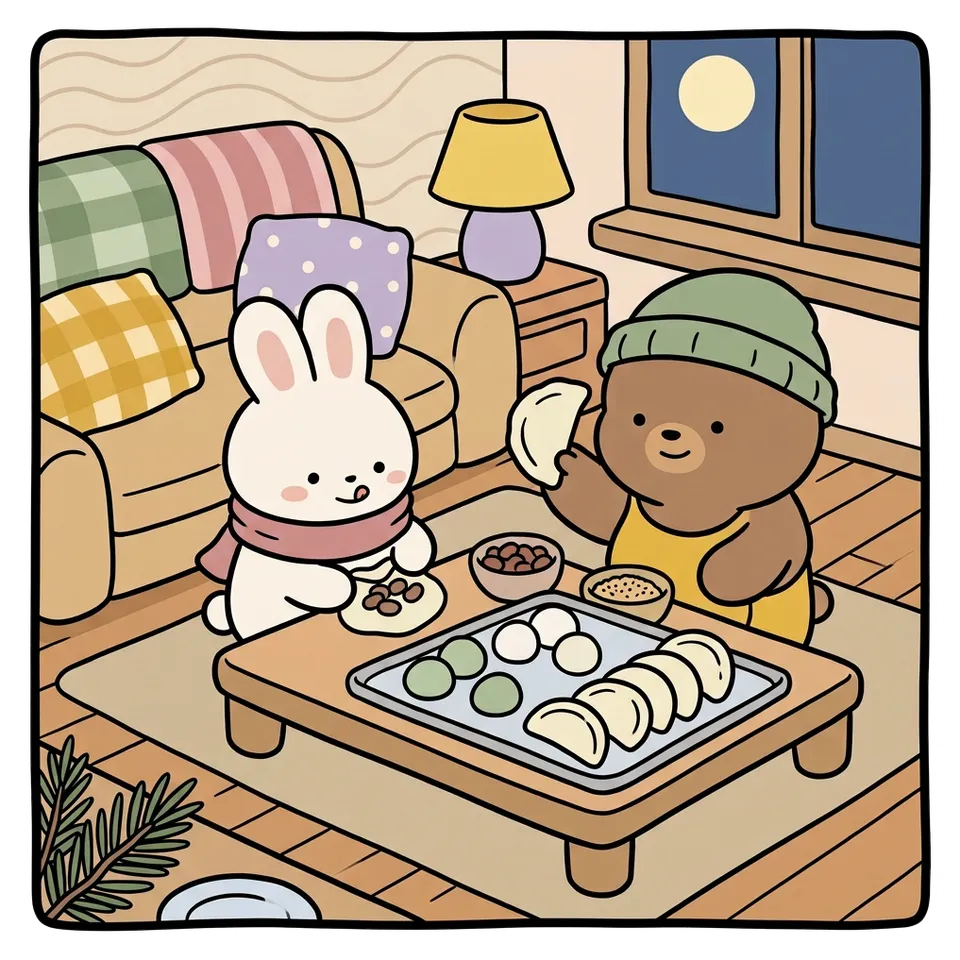
Pinch off bits of hot-water dough and press them flat, put in a filling like beans or sesame, and close them up into half-moon shapes.
Why it's good
The child names it first and shapes it with their own hands, so once it's done it's entirely theirs.
How to play
When I pinch off bits of hot-water dough and hand them out, the child names it first. One is a bean songpyeon (half-moon rice cake), one is a sesame songpyeon — before even filling it they've already decided what goes in. When it's time to press the dough flat, put in the filling and close it, suddenly their hands get stronger and their face turns serious.
They bring their finished ones to each other, showing them off as if competing, “Isn't my songpyeon pretty?” Each time I say they're all pretty, but the children seem to recognize which one the other closed better.
Good to know
- For a child whose shapes won't hold, show the hand movements once more, slowly. Rather than hurriedly using your hands for them, showing the order of press flat and close in front of their eyes is enough.
What you'll need
Hot-water dough · Filling (beans, sesame, chestnuts, etc.)
Stamp It and Flowers Appear
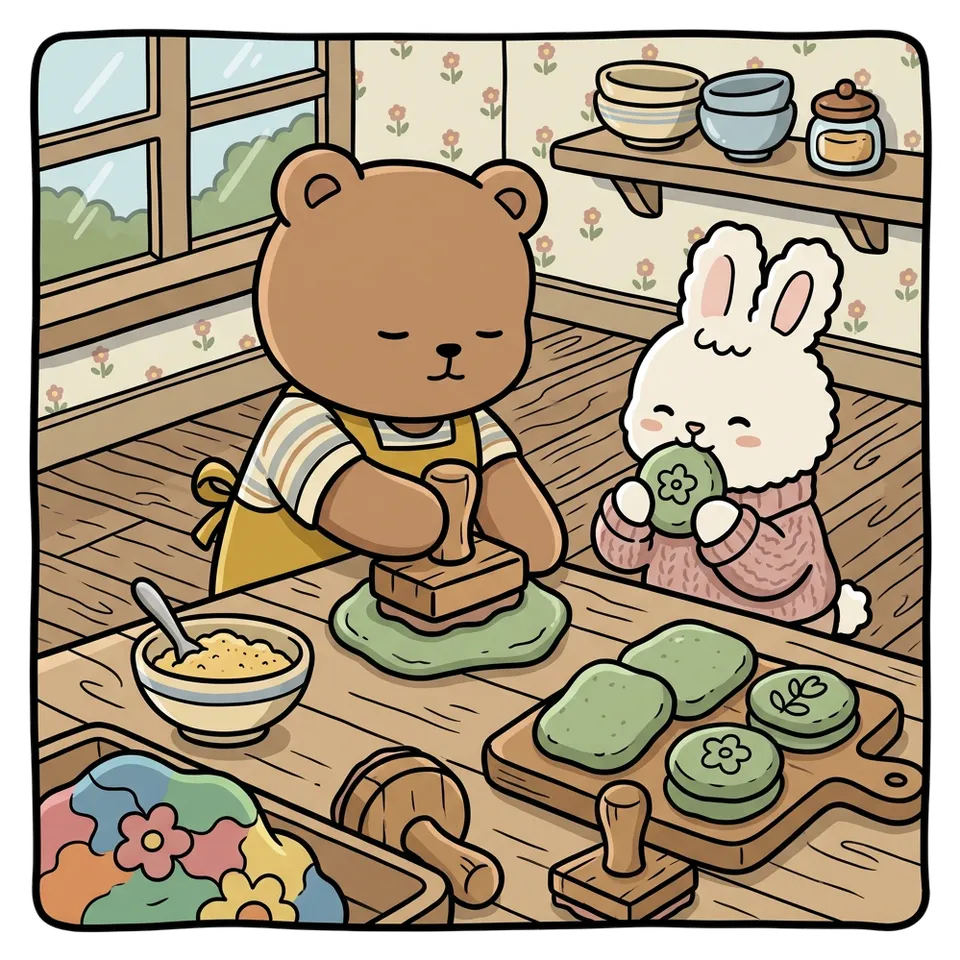
Press mugwort tteok (rice cake) flat by hand and stamp it with a patterned stamp to make jeolpyeon (stamped rice cake).
Why it's good
They don't usually eat jeolpyeon, but they'll try one they stamped themselves. When their own hand touches it, even the taste changes, you could say.
How to play
When I hand out mugwort tteok, before stamping they touch it and smell it first. “It smells like mugwort”, “It's squishy”, “The green is amazing”, they say.
Press it flat by hand and stamp firmly, and the flower shape stays. If you press lightly, only the edge prints and the middle doesn't take, so after a few tries they press with their whole body. After that, choosing where to stamp takes even longer. They hold theirs up against a friend's to compare, and even with the same stamp the patterns come out a little different.
Once they dust it with soybean powder to finish, they take a bite, saying “It's yummy because I made this tteok”. When I heard that, I thought the taste hadn't changed; the reason was that they'd made it with their own hands.
Even after the tteok runs out, the play doesn't end. They bring clay and stamp with the same stamp, handing it to each other, “Tteok came out. This is real tteok”.
Good to know
- Stamp while the tteok is soft. Hardened tteok doesn't keep the pattern when pressed, and the fresher it is, the deeper the print.
- Coat with soybean powder after stamping. If you coat first, the stamp slips and the pattern doesn't take.
- Clay works without real tteok. Unlike tteok, you can flatten and stamp it again over and over, so the play continues after the tteok is gone.
What you'll need
Mugwort tteok (jeolpyeon tteok before stamping) · Pattern stamp · Soybean powder · Clay
We Sell Broken Tteok Too
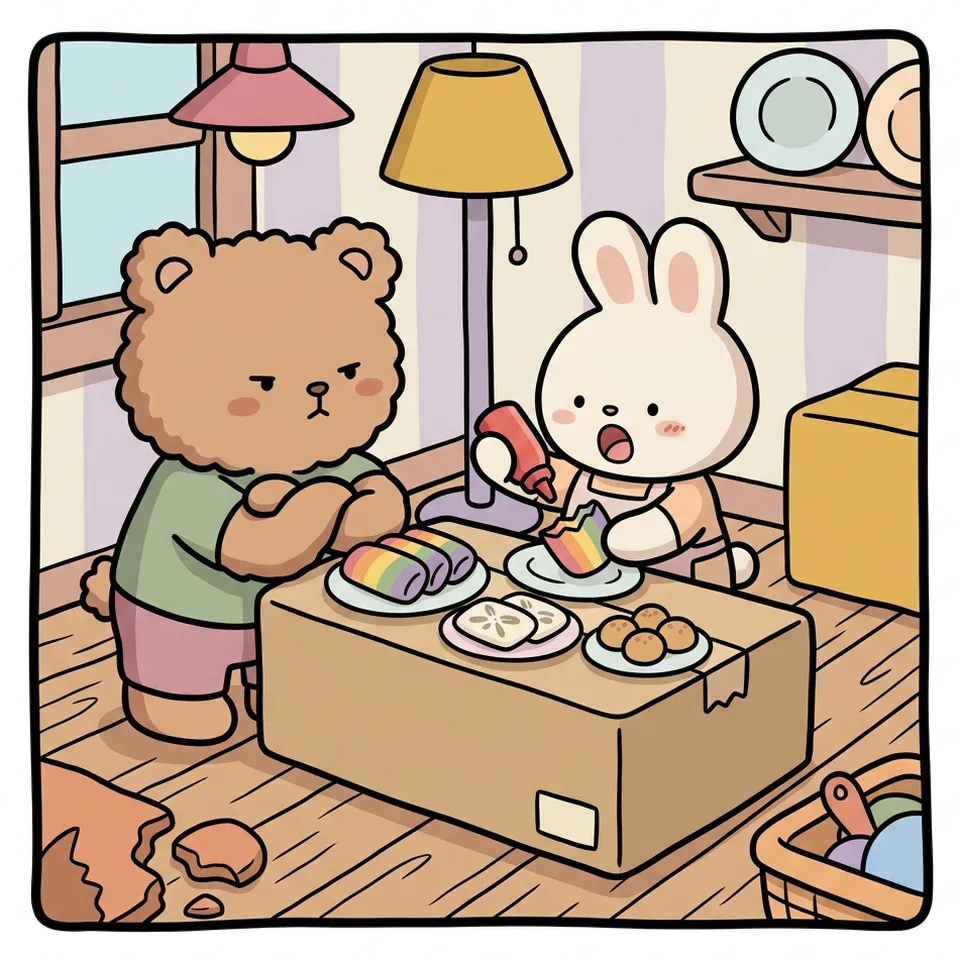
Line up tteok (rice cake) shaped from clay and split into shopkeeper and customer to sell them, and if a tteok breaks, you even go as far as fixing it and selling it again.
Why it's good
You'd think a broken tteok can't be sold anymore, but after sauce is spread on it, it goes out again as an even tastier tteok.
How to play
When clay tteok is laid out, in an instant they split into owner and customer. “A rainbow tteok, please!” — “Here you go~” it's handed over, and when unsold tteok remains, they call out “Buy tteok~!”
Pretending to eat, a tteok sometimes breaks. Then the child playing owner says “It's okay! I'll put tasty sauce on the broken tteok for you” and fetches a toy sauce bottle, pretends to spread it, and puts it back out. “This tteok is broken, but instead I put sauce on it so it's super yummy!” — a customer who'd said they wouldn't buy broken ones says “Then I'll try it again too” and takes it. I got won over too and bought one more. After that they put sauce even on the unsold jeolpyeon (pressed rice cake) and put it out.
But when broken tteok keeps piling up, even that stops working. “So many got broken...” they say, upset, and then the child comes up with an alternative on their own, “Can't we make a few again? Stronger ones”.
Good to know
- You can buy toy tteok or shape it from clay. Clay ones can just be reshaped on the spot when they break, so there's no need for spares.
- The more kinds of tteok, the longer it lasts. Mixing differently named ones like rainbow tteok, jeolpyeon, and kkul-tteok (honey rice cakes) gets conversation going from choosing and mixing them up.
What you'll need
Clay tteok (rainbow tteok, jeolpyeon, kkul-tteok, etc.) · Toy sauce bottles (ketchup or jam bottles, etc.)