Play Ideas with Rattles
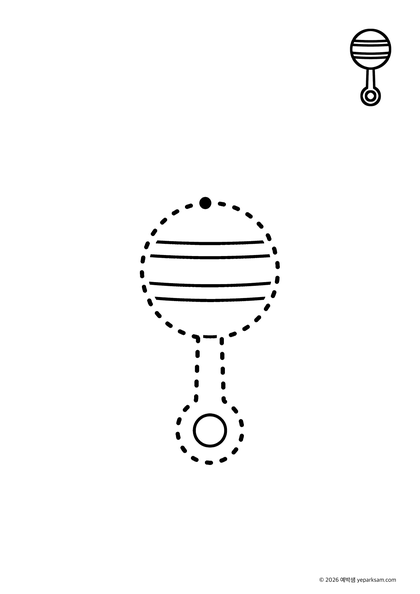
A rattle makes a sound just by being shaken. At an age when blocks still won't stack and crayons can't draw a line. And it's a sound I made myself. Once babies figure that out, they shake whatever lands in their hand, whether it makes a sound or not.
This page was translated by Yeparksam, a preschool teacher in Korea. Some words may sound a little unusual — thank you for your understanding.
Picture books to go with this play


Printables to use
See more ›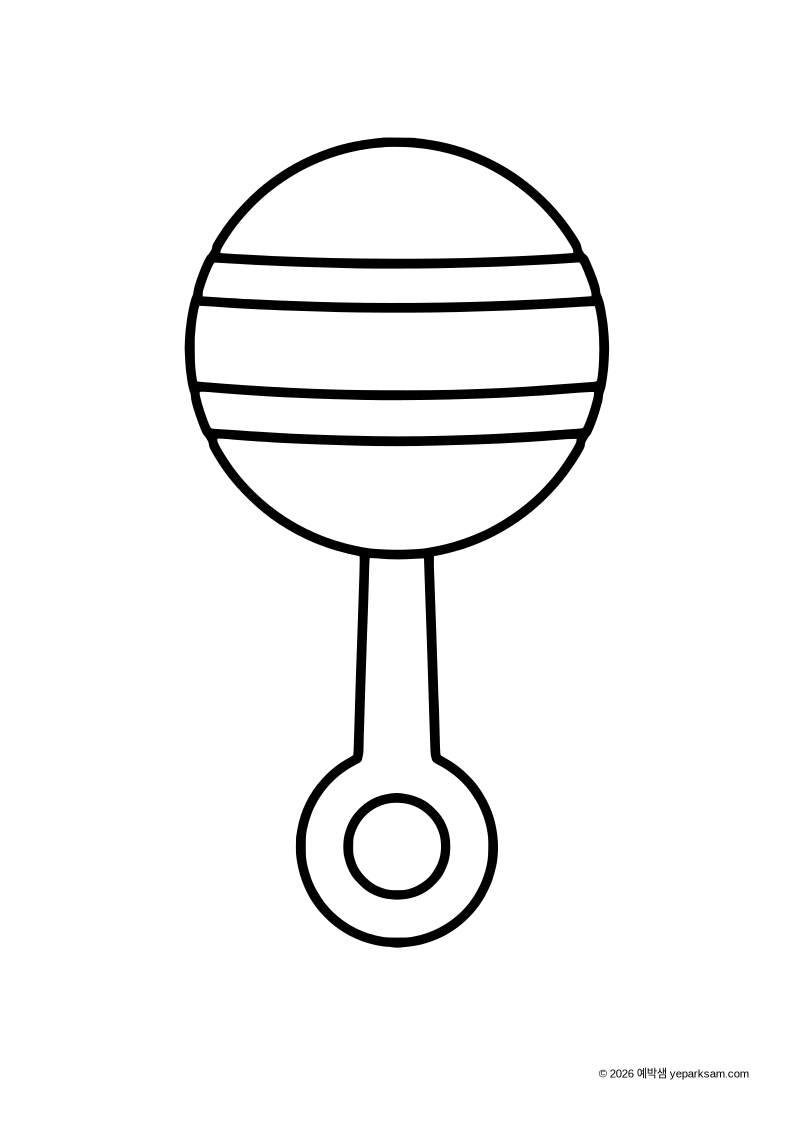
Shake it to make a sound
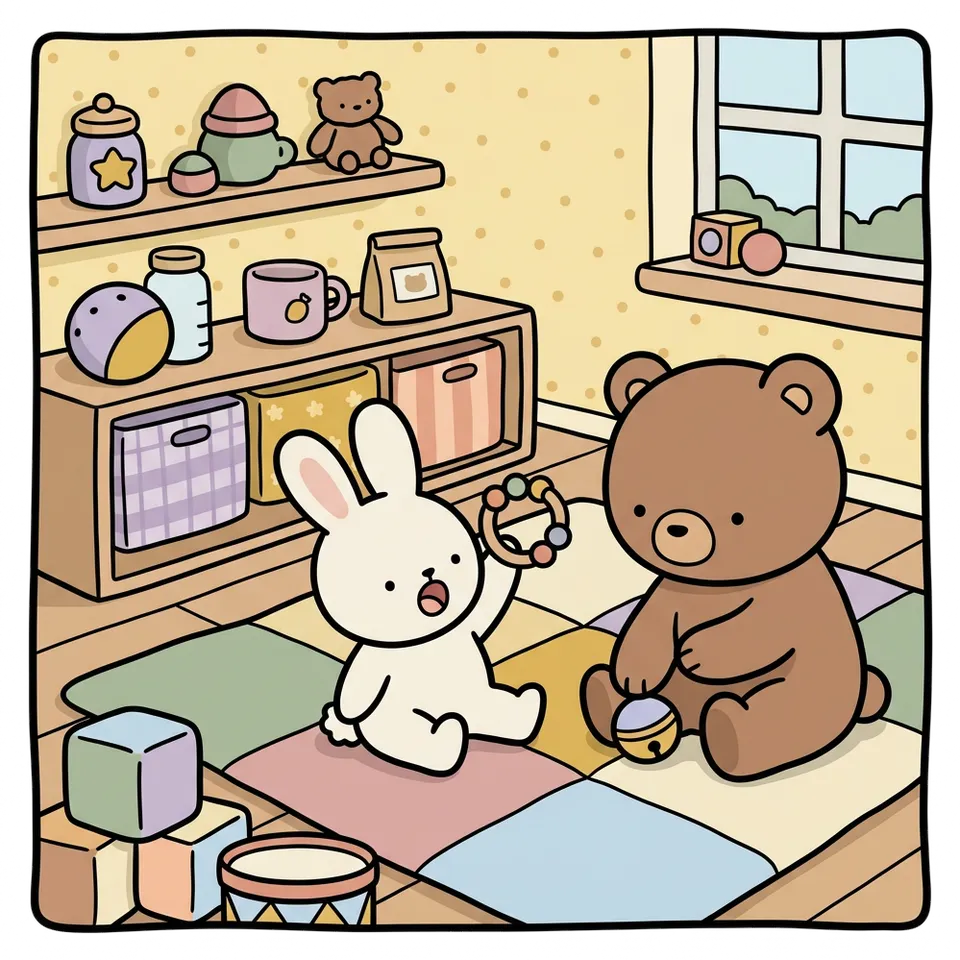
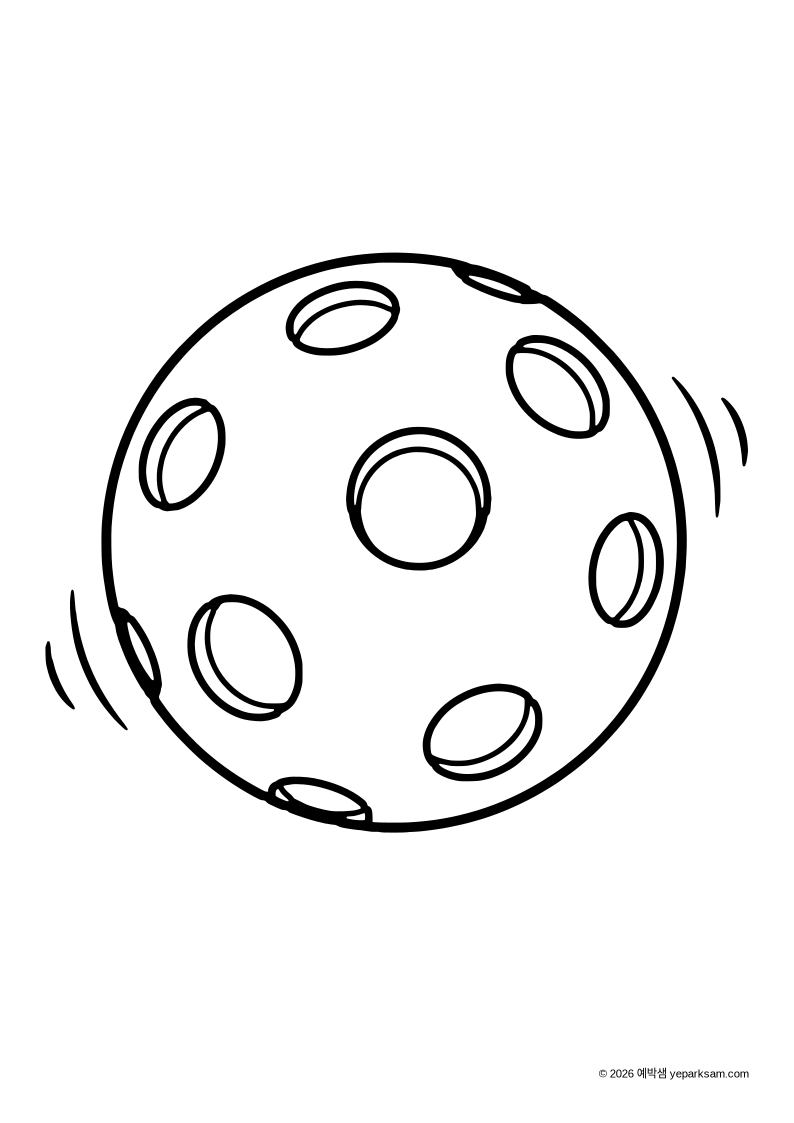
Grab a rattle and shake it. Shake hard for a loud sound, gently for a soft one. Sound blocks or balls work too.
Why it's good
Babies this age have rarely made anything happen with their hands. A rattle is one of the few things whose sound changes with how hard you shake, so this is where they first learn the sound is their own.
How to play
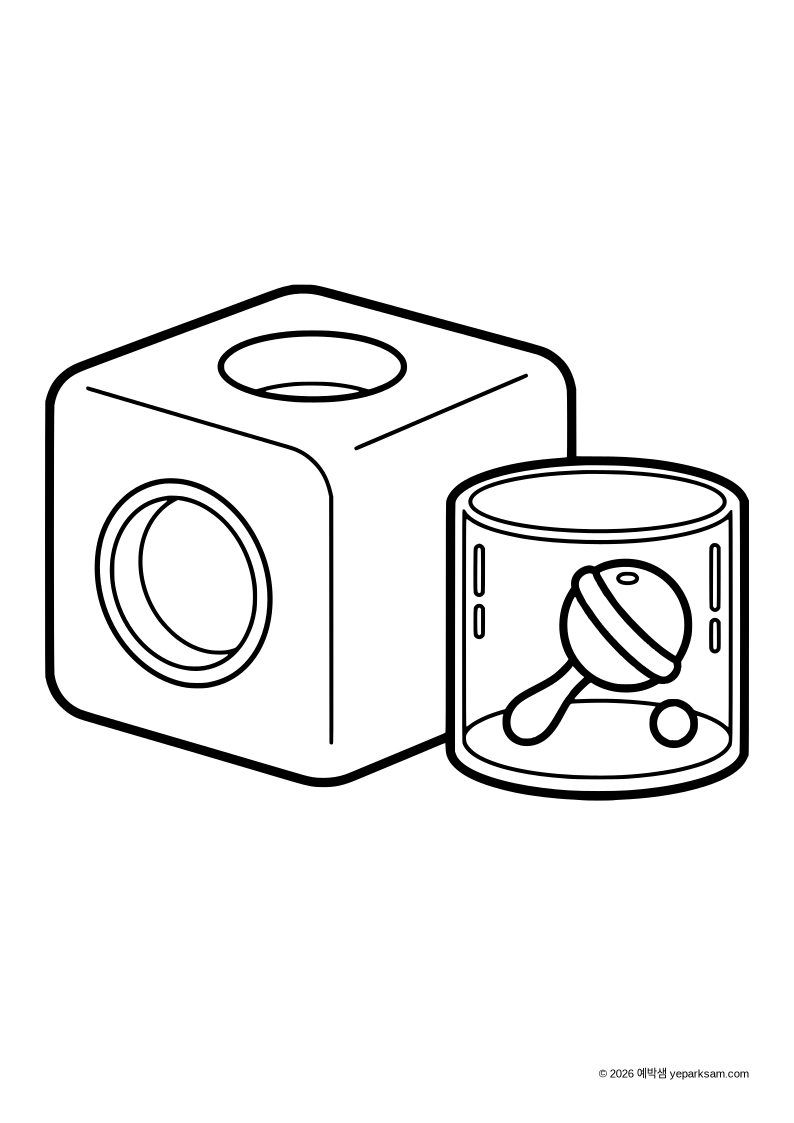
One day I handed out a block that makes a sound instead of a rattle. It makes a sound with every shake too. I thought they would just touch it, amazed by the sound, but they quickly noticed that the harder they shook, the louder it got. From then on they shook faster and even tried throwing it, looking for ways to make it louder.
It was the same with the ball that makes a sound. At first it makes a sound by accident while rolling. But once they know it makes a sound, after that they tap it on the floor on purpose to make the sound.
Good to know
- They sometimes lose their grip and let go while shaking hard. Choosing something light that is safe to throw puts your mind at ease.
What you'll need
Rattle · Block or ball that makes a sound (instead of a rattle)
Wear it on the wrist and walk
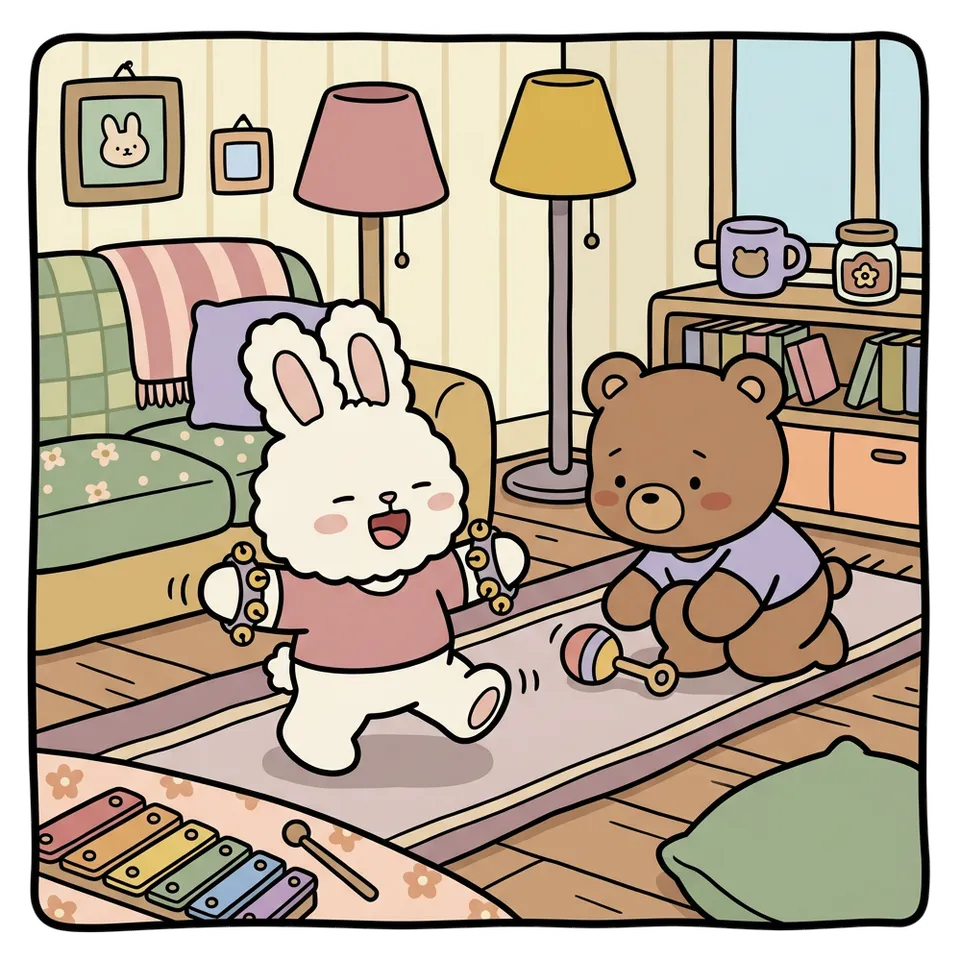
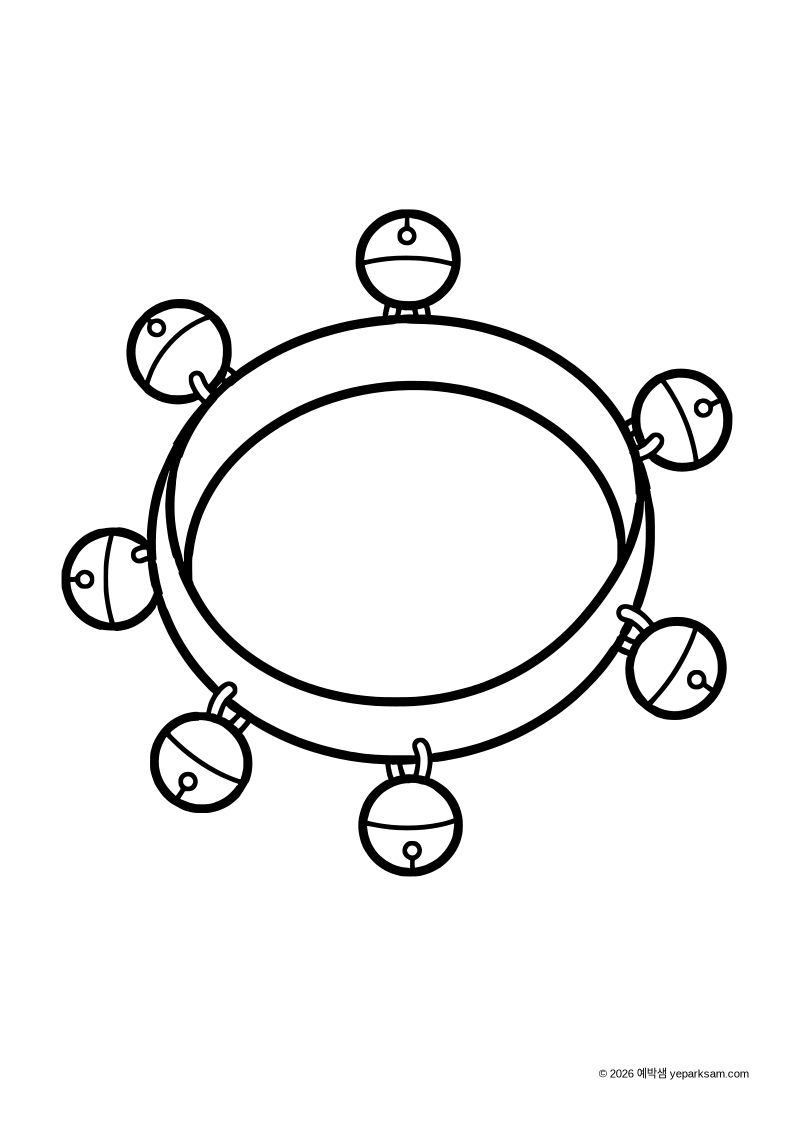
Put wrist bells on the wrists or ankles, and every step makes a sound all by itself.
Why it's good
When you hold something, you have to shake it to make a sound, but when it is worn, walking becomes the shaking. Walking faster makes the sound faster, so to hear more sound, their steps get bigger and bigger.
How to play
A baby toddling along with a rattle in hand gets faster and faster, delighted that every step makes a sound. In the end they dropped the rattle and looked at me. When I asked if I should hang it on their wrist so it wouldn't fall, they said “Mm-hm~” Once I put it on, the sound followed them even with their hands free, and they walked off even more boldly, smiling.
Some babies put it on by themselves before I can. One shook the wrist bells in both hands, then pushed a hand right into the band. When a children's song came on, they spread their arms and shook them, and their steps got faster too.
Good to know
- Pick things that are worn on the wrist or ankle. Things they hold get dropped when they get excited and run, and each time they go to pick them up, the play breaks off.
- If there is nothing handy to wear on the wrist, a pants pocket works too. The sound you hear when walking is the same.
What you'll need
Wrist bells (band type)
Naming the sounds
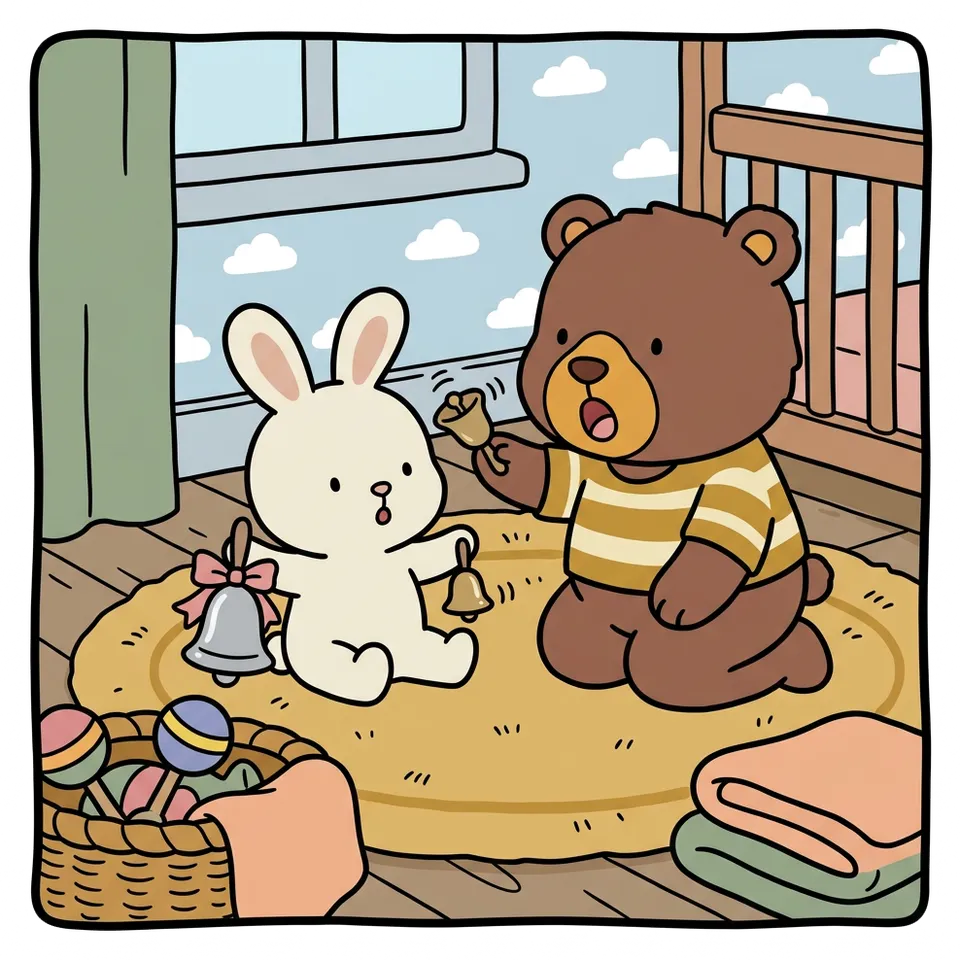
Give names to the sounds a rattle or bell makes when you shake it. The baby copies the names, or listens to different sounds one after another.
Why it's good
At first it is just a sound to a baby, but giving it a name changes that. They learn that sounds have words too, and try to copy those words. Shaking bells of different sizes in turns, they also learn that each sound is different.
How to play
A baby was curious, holding a ball next to their ear and shaking it, so I said “Rattle rattle” and the baby copied it right back, “Ratta ratta.” That was the moment they learned that a sound can be imitated.
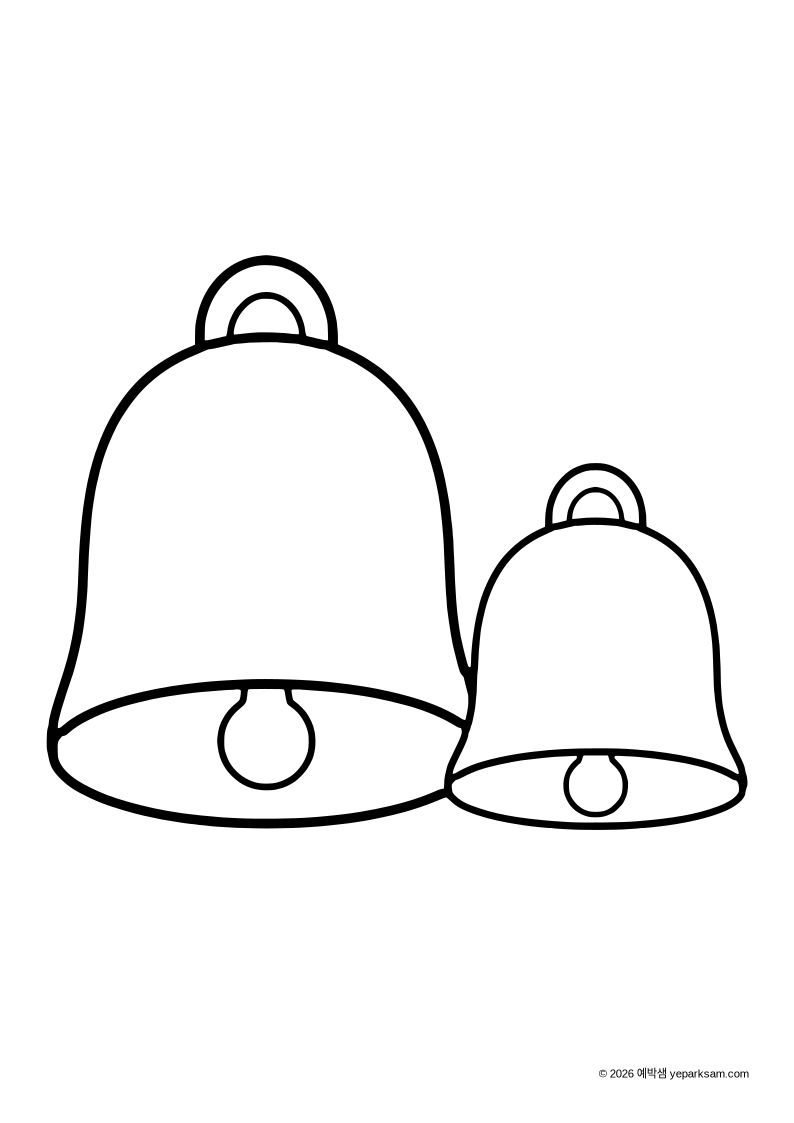
When I gave them a band with silver bells in one hand and an instrument in the other, they shook them in turns. They listened closely for a long time, perhaps hearing the big bell and the small bell as different, then shook again, over and over.
Good to know
- You need at least two things of different sizes. With only one, you can't tell whether its sound is big or small.
What you'll need
Two or so bells or rattles of different sizes (instruments are fine too)
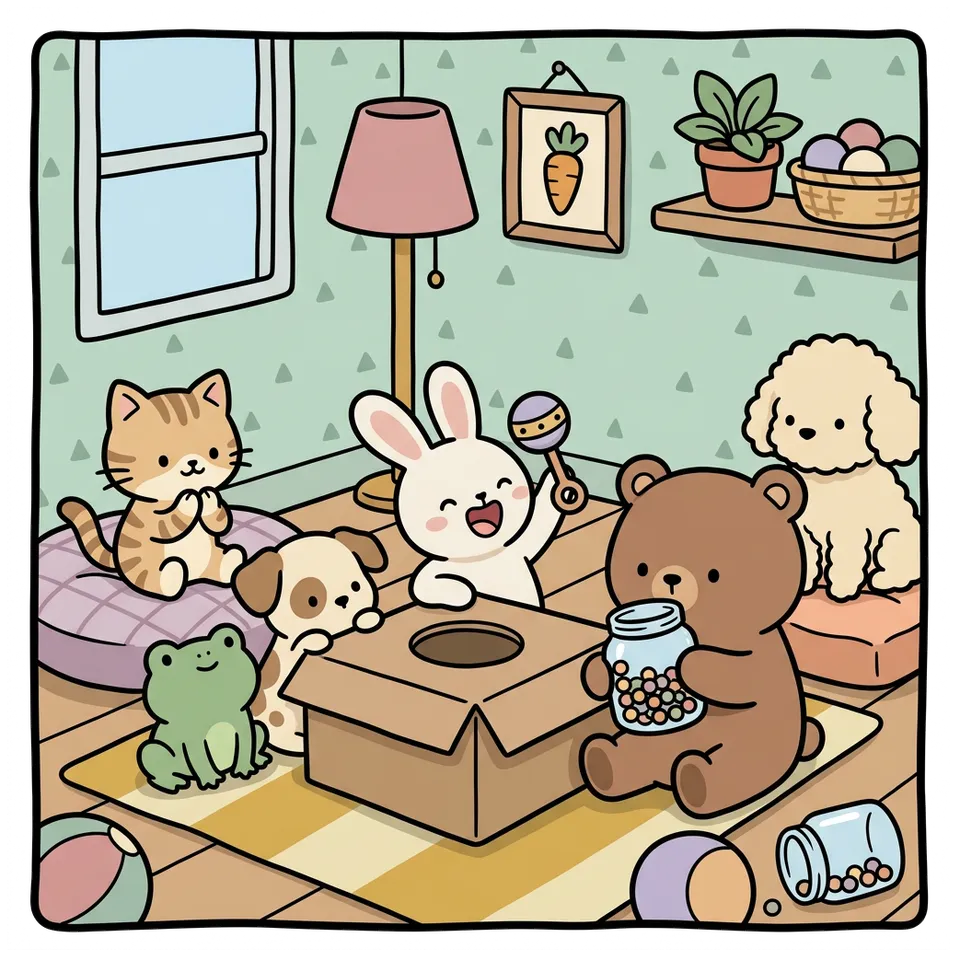
Anything can be a rattle
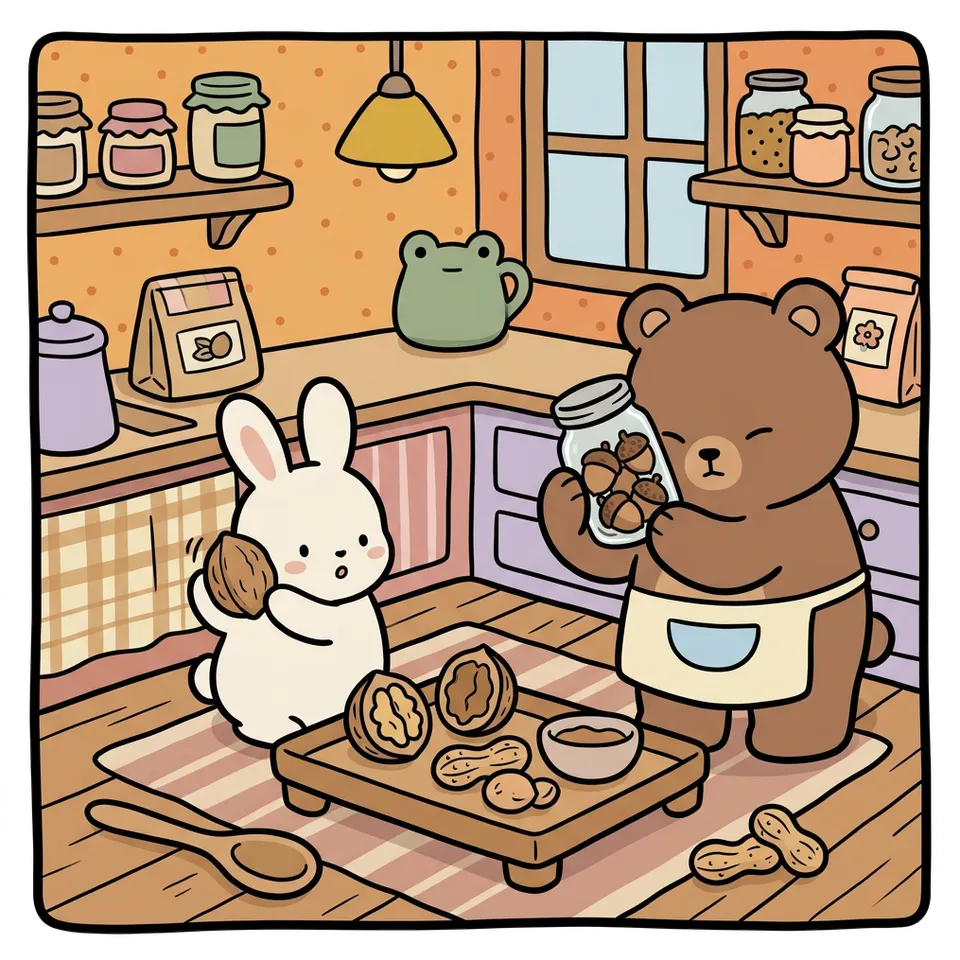
Hold something that is not a rattle and shake it to find out whether it makes a sound.
Why it's good
Rattles aren't the only things that make sounds. But you can't tell which ones do until you shake them. So the baby shakes whatever lands in their hand.
How to play
I handed a baby a walnut, and they looked it over and then shook it. When it rattled inside, they were startled, “It makes a sound!” They had thought it was just a hard shell, but they found out by sound first that something was inside. When I split it in half and showed them the inside, only then did they nod.
After that they look for things to shake on their own. They shook a peanut, and the clear container with acorns in it they held right up against their ear and shook. Some things make a sound and some don't, and you only find out by shaking.
Good to know
- They will shake even the ones that make no sound for a good while. You don't need to tell them in advance that it makes no sound. Shaking is how they find out whether it does or not.
- The ones you can't see inside are more fun. With a walnut or a peanut in its shell, a sound makes them wonder what is inside, but with the clear container they see the sound and what's inside at the same time.
- This is shaking play, not eating play. For a child with a nut allergy, stay close so they don't put it in their mouth.
What you'll need
Walnuts, peanuts in the shell · Clear container with acorns or beans
Passing it down to a younger sibling
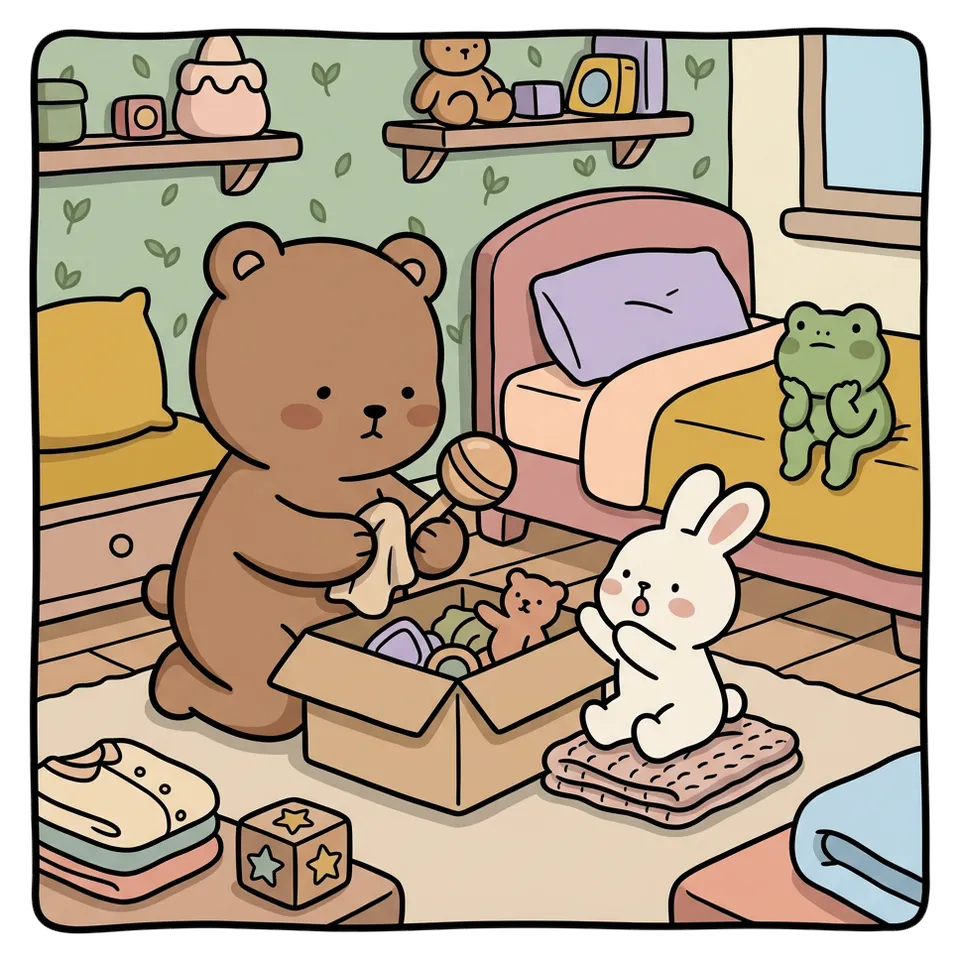
Pick out things you do not need anymore, like a rattle, and pass them down to a younger sibling.
Why it's good
Even a rattle they played with for ages gets ignored once they grow a little. But when you say it isn't being thrown away and will be passed to a younger sibling, things change. Not using it anymore now means they have grown that much.
How to play
When I asked the child to pick toys to pass down to a younger sibling, I thought they would just pick. But they brought one with a stain and said “This needs cleaning,” and when they found a torn book they said “We have to tape it.” I never said anything about fixing things before giving them.
One child even made a rattle for their younger sibling out of recycled materials. It wasn't something bought and passed on, but something newly made to give.
Good to know
- Fix up what you give to a younger sibling. It isn't just passed down, it is given after being tidied up.
- It's okay if they say sharing doesn't feel good. Some say it feels good and some say it feels like a waste, and even the ones who feel it is a waste still pass things down.
What you'll need
Things to pass down, such as a rattle or clothes no longer used · Recycled materials (when making a rattle for a younger sibling) · Tape (if something needs mending)