Play Ideas with My Name
I thought a name was letters a child learned. But children know their own name before they learn. When a child spotted their own at once among the name tags, I asked how they found it and they said “I looked for my photo.”
For a child, a name is a sign they recognize before it is letters they read, and a shape made of circles and squares. Putting their name on their things is how they first look closely at the letters.
This page was translated by Yeparksam, a preschool teacher in Korea. Some words may sound a little unusual — thank you for your understanding.
Printables to use
See more ›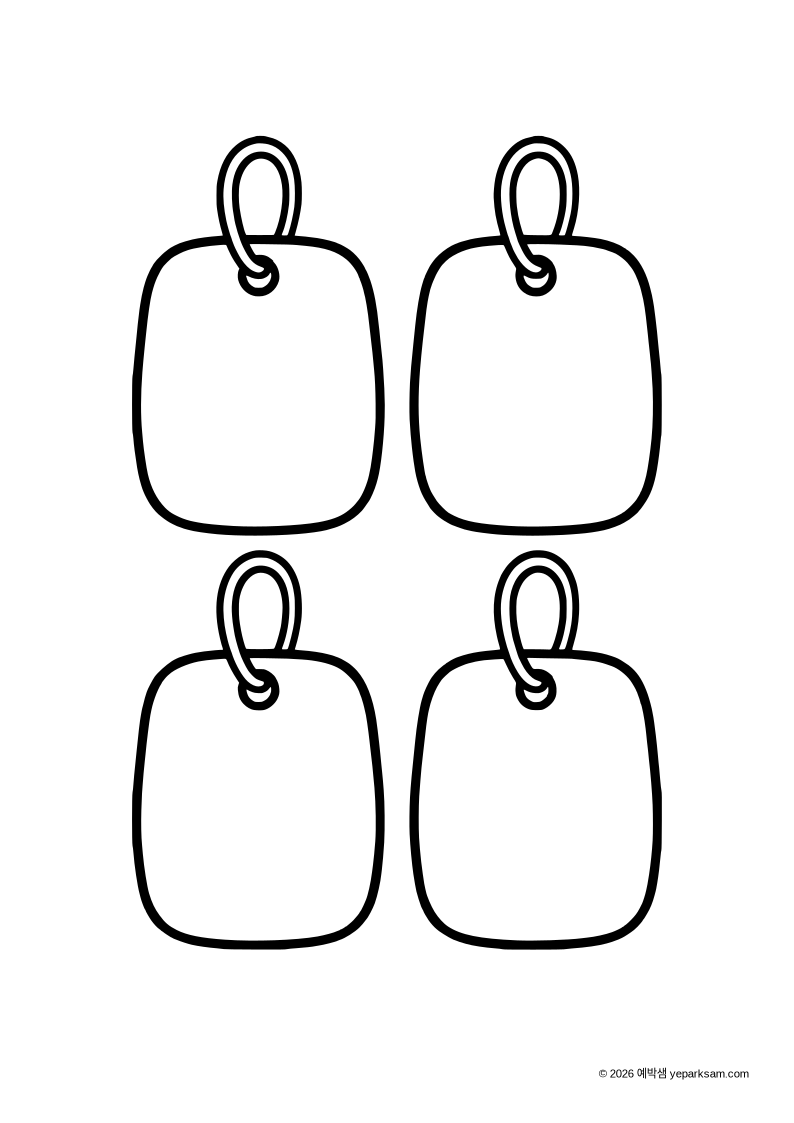
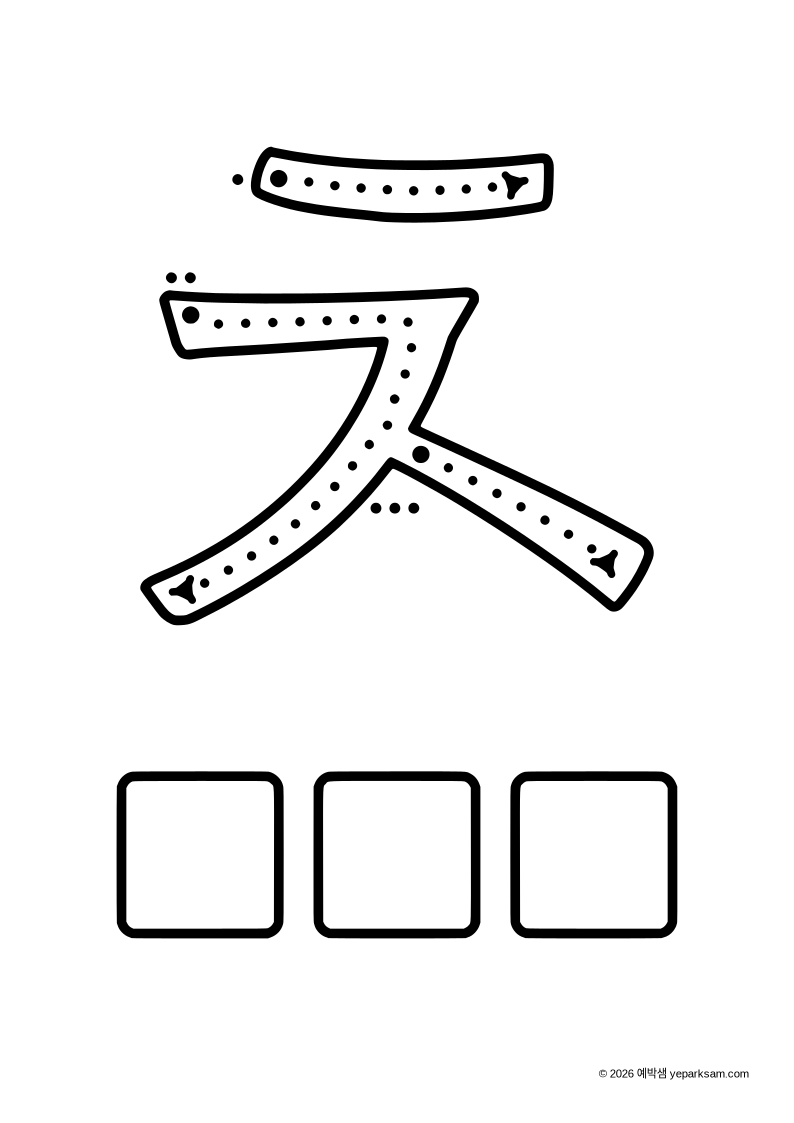
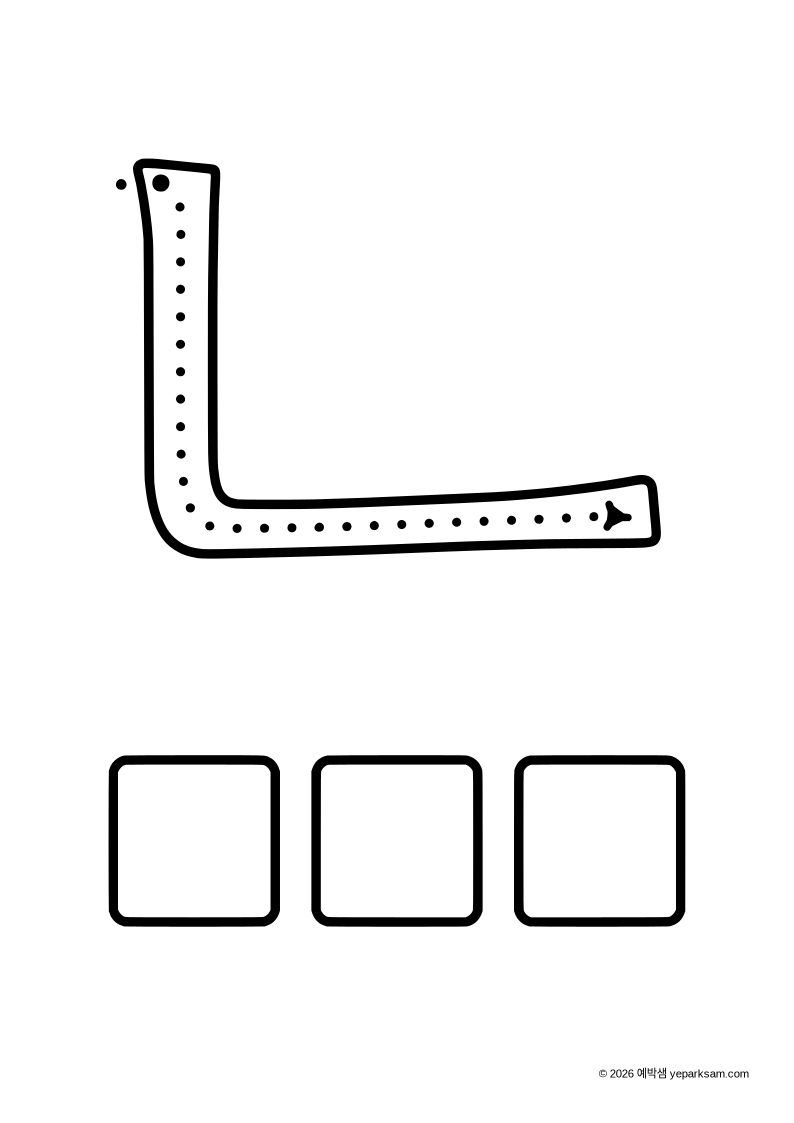
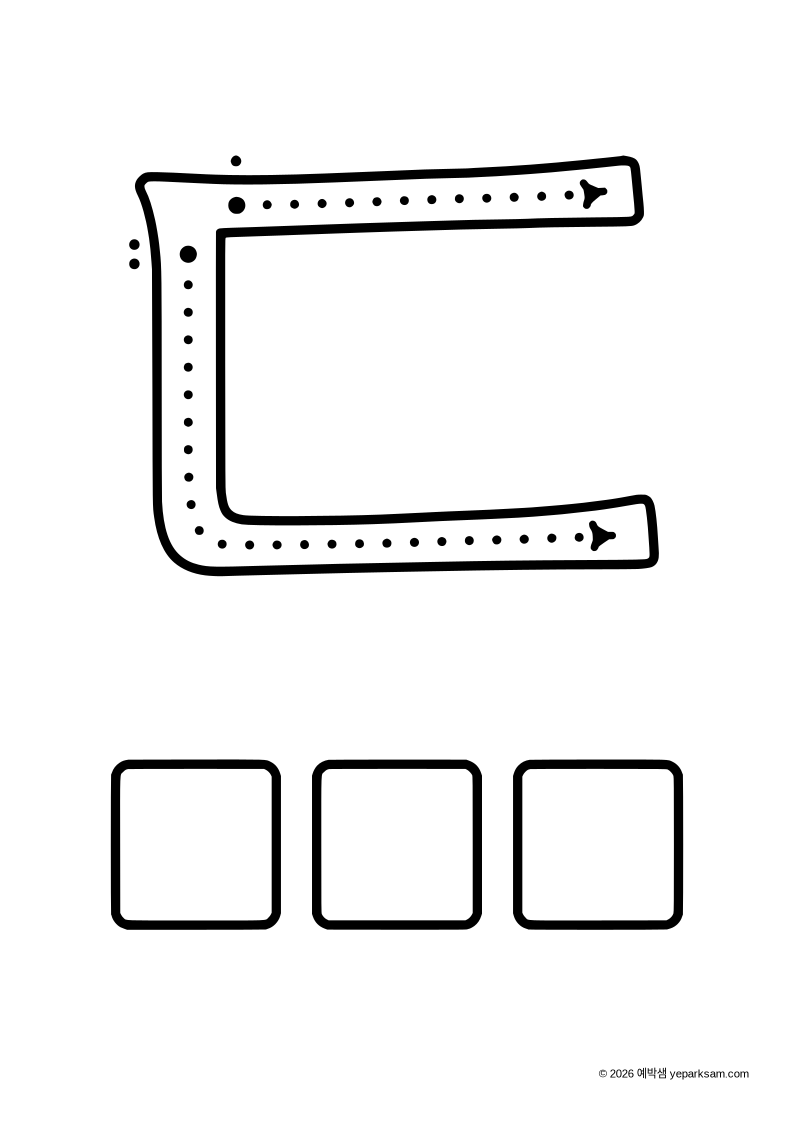
Putting My Name on My Things
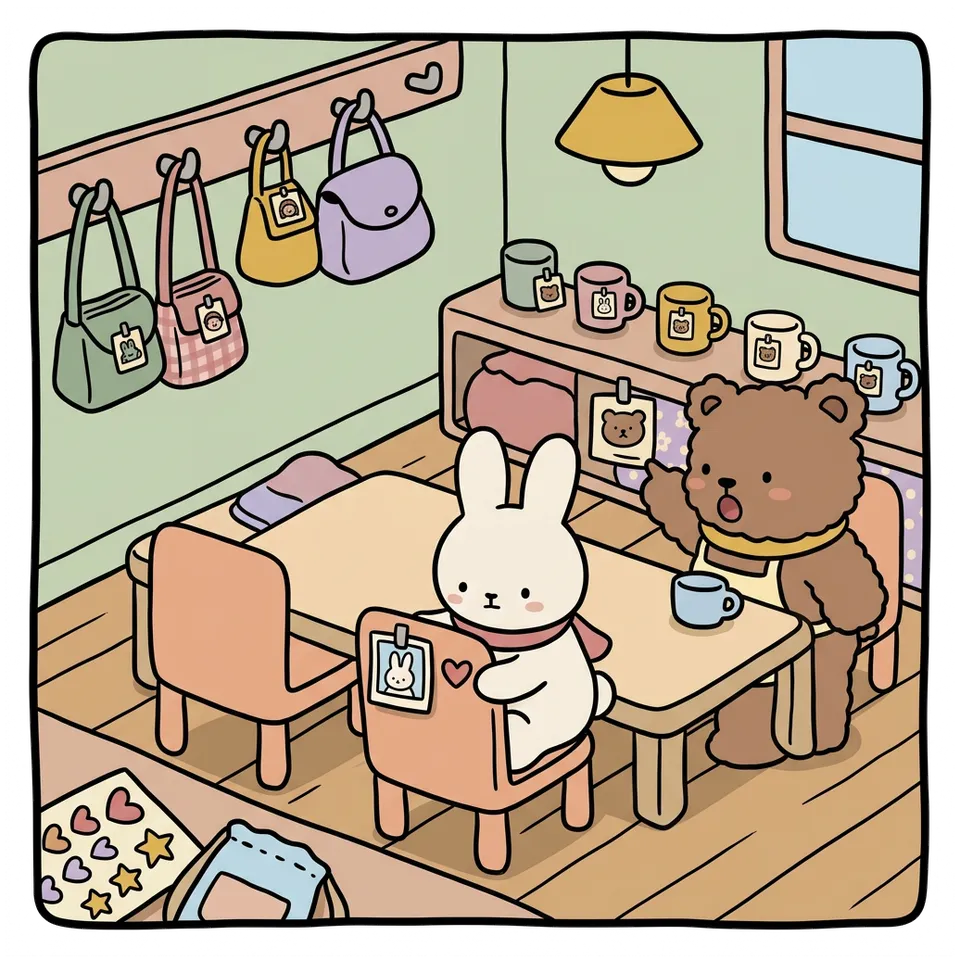
Make name tags with photos or favorite pictures and stick them on your own spot and your own things.
Why it's good
Even when they can't read all the letters, they recognize their own name. By putting their name on their things, they learn that letters are a sign telling whose it is.
How to play
They saw the name tag with a photo and said “This is my name~” When I asked how they knew, they said “I looked for my photo.” When I said let's find where else their name is at home, they found names on a bag and a cup and pointed with a hand: “Here~ here~”
When I mixed up the family's name tags, the younger sibling picked out only their own: “Here it is!”, “Yay!! I found it!” and counted what they found, one, two.
There was a time they kept arguing with a sibling over the same seat: “It's my seat,” “Only I sit here!” When I asked what we could do, they said “My name has to be written on it,” “Let's put my favorite picture.” So together we made name tags with their name and favorite character and stuck them on the seats.
Good to know
- Put a photo or a favorite picture on the name tag too. With letters alone, they can't yet tell which is theirs.
What you'll need
Name tags · Photos or favorite pictures (stickers)
Finding Shapes in My Name
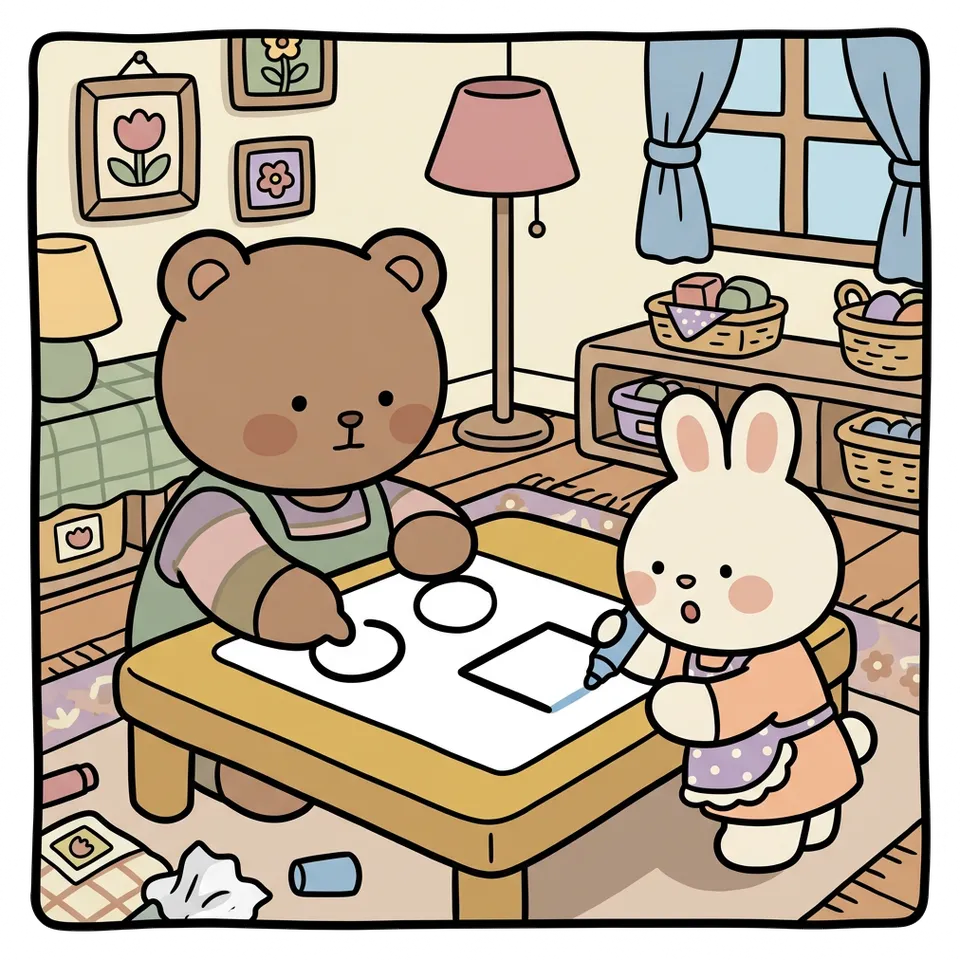
Find shapes like circles and squares hidden in the letters of a name. The child counts them or traces them with a finger.
Why it's good
For adults, letters are sounds, but for a child they are shapes first. They find and count circles in their name, and for letters they don't know, they match them to shapes they know.
How to play
When they find a circle on the name tag, from then on they count. “My name has two circles.” Then they saw the letter ㄷ (digeut) and asked “But is this a square?” I handed them a whiteboard marker and said “Shall we make it a square?” and they drew one more line and turned the ㄷ into a square.
They traced 'ㅇ' round and round with a finger, and looking at the letter ㅅ (siot) said “It looks kind of like a triangle.”, “There are no triangles in my name.”
Good to know
- Give them a laminated name card and a whiteboard marker together. They draw shapes, wipe them off with a tissue, and draw again for a long time.
What you'll need
Laminated name card · Whiteboard marker
Finding the Same Letter
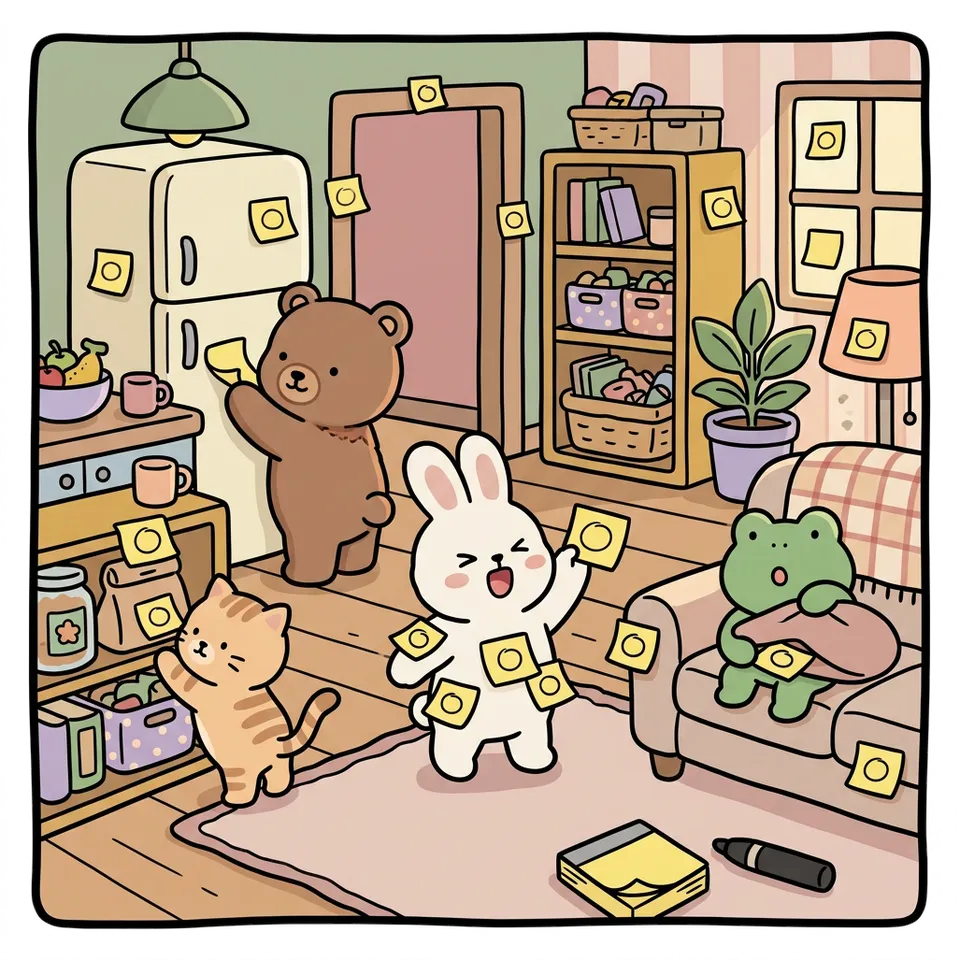
Find the letters of your own name in family members' names, snack bags, and playground posts.
Why it's good
Once they know the letters of their own name, those letters are everywhere. They find with their own eyes that the same letter is in Mom's name and on the snack bag.
How to play
A child was copying the '리' (ri) in their name and said “My older sister has ri in hers too.” When I pointed to '리' in the picture book beside them, they said “It's there too!”
During store play they brought a snack bag and said “Among the letters written here is the same letter as in my name.”
At the playground they pointed to a circle carved on the slide post and said “Mom, this is the same as the 'ㅇ' in my name.” When I said let's find what other letters there are, they went around finding letters on the wall: “This is in my name too!”, “Same as the onion snack!”
On the day I wrote each letter of their name on a sticky note and stuck them around the house, each time they found one they said “Here it is!” and stuck the found notes on their body: “My name is done!”
What you'll need
Sticky notes (when doing it at home)
Trying to Write My Name
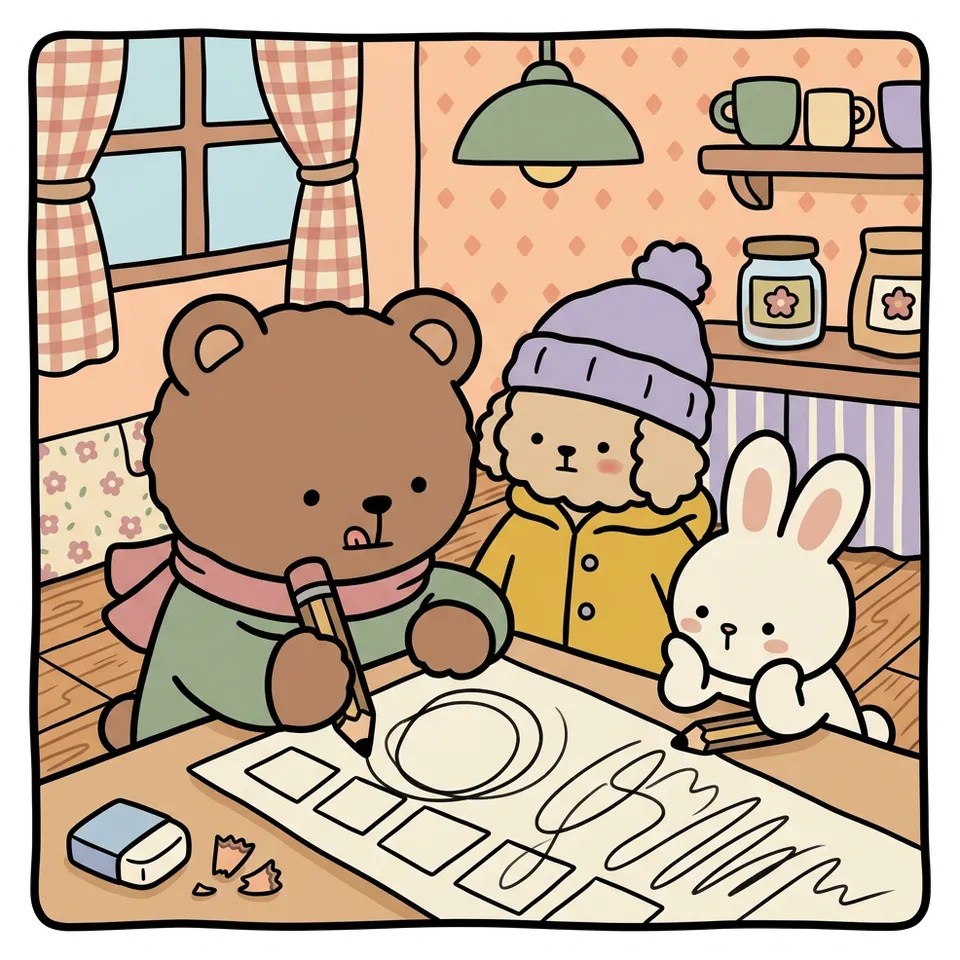
Write your own name for the first time with your own hand. Writing the letters out of order or going outside the boxes is part of the play too.
Why it's good
When they write their name, the order flips and it goes past the boxes. They write the letters they know first, and that's how they learn letters have an order.
How to play
They quietly watched a cousin write a name for a long time, and when the cousin said “This is my name!”, they quietly picked up a pencil and went to write too. The letter shapes were right, but they wrote far bigger than the square boxes, so everything stuck out of the boxes.
The letters they know came out first, so they sometimes wrote the given name first and put the family name after. When I told them the order was different, they said “Aha” and laughed, and instead of erasing, they wrote it again next to it, family name first, the right way. I thought they would erase it, but they chose to write one more time.
Going past the boxes is common too. Even if I erase it and hand it back, it goes over again. After a few tries, the first letters fit in the boxes and only the last letter goes over again.
Good to know
- A paper with big boxes is better to start. They write much bigger than the square boxes. Small boxes stop them right there.
What you'll need
Pencil · Paper with big boxes
Making a Name with Hands
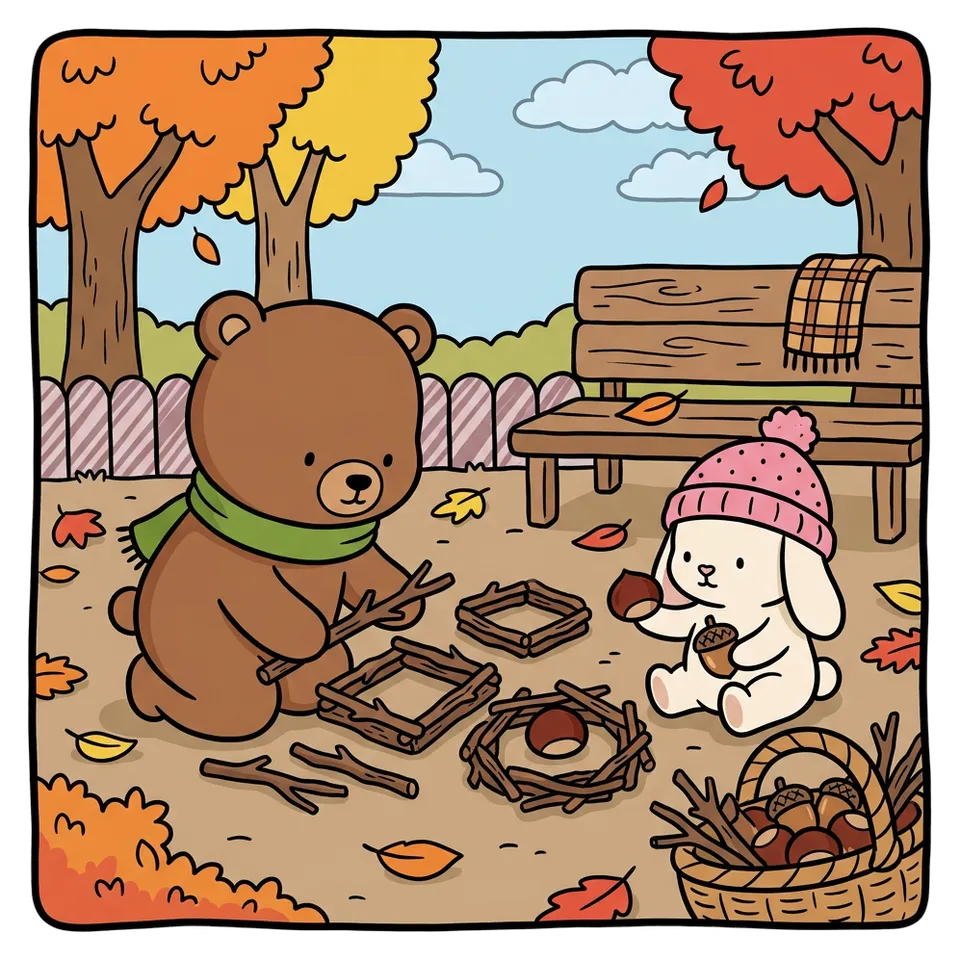
Make a name out of twigs, clay, and Hangul stamps. Even without writing on paper, it is still your own name.
Why it's good
Whether lined up with twigs, stretched out in clay, or stamped, it becomes their name. By making instead of writing, they follow the letter shapes with their hands.
How to play
On a walk they lined up twigs and wrote their own name. They put a name board beside them and made their whole name, then took out another name board, saying they'd write the family's names too. When I gave them acorns and chestnuts, they said “The circle in my name seems round like a chestnut.”
With clay they stretch it long to write. “This one has to be round like 'ㅇ'!” and when done, “My name is the prettiest!”
With Hangul stamps they press down firmly. “This is my name stamp!” turned into “Let's stamp my family's names too~ Mom, Dad!”
While drawing eyes, nose, and mouth on the letters of their name to make faces, they asked “Can I draw blush too?” and I told them to go ahead. A younger sibling decorated a large printed name with letter stickers, found the same letter and said “This is the ㅎ in 하 (ha)!!”
Good to know
- The Hangul stamps need to be a set with every single letter. Word stamps can't stamp their own name.
What you'll need
Twigs · Clay · Hangul stamps (single-letter set) · Letter stickers (optional)