Play Ideas with Hand Puppets
When they put a hand into a puppet, a lot of people worry that they have to change their voice. You don't. The moment the puppet is on your hand, it is already someone else to the child. When that puppet asks “Wanna come with me?” the child really does shout, and when it cries “I have no eyes” the child really does run over to draw them. What matters more than the voice acting is what role you give the puppet.
This page was translated by Yeparksam, a preschool teacher in Korea. Some words may sound a little unusual — thank you for your understanding.
Printables to use
See more ›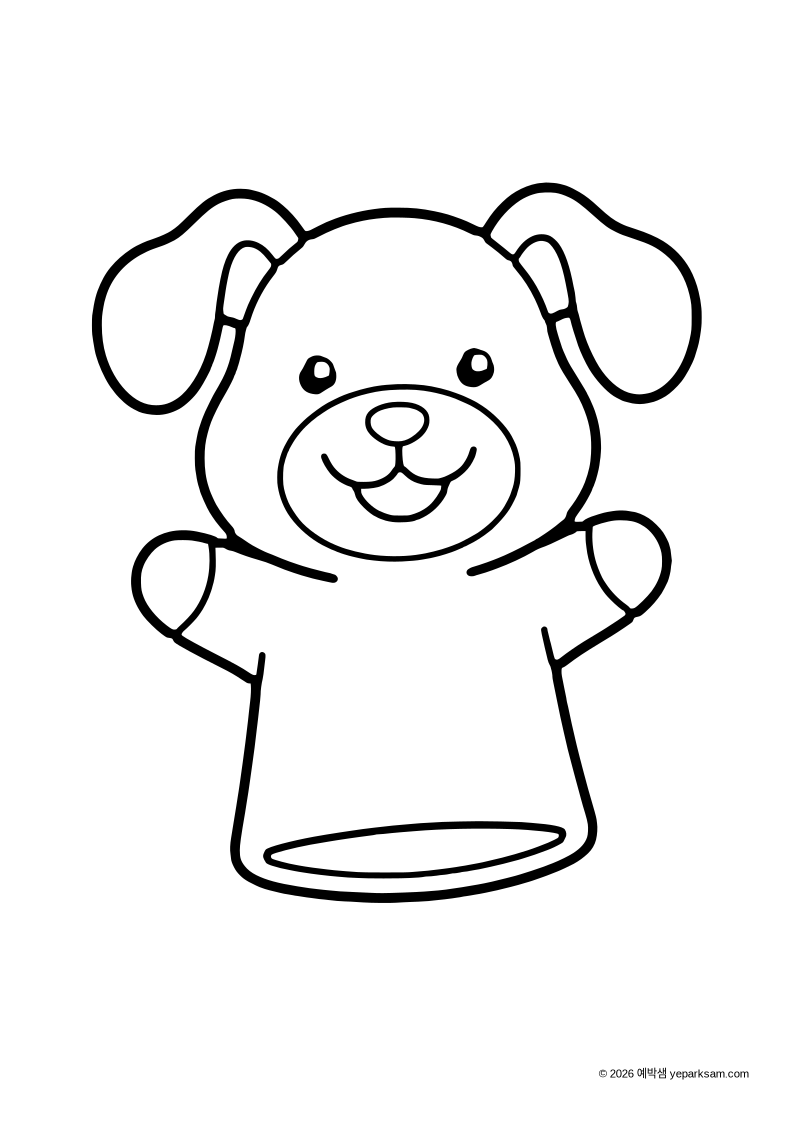
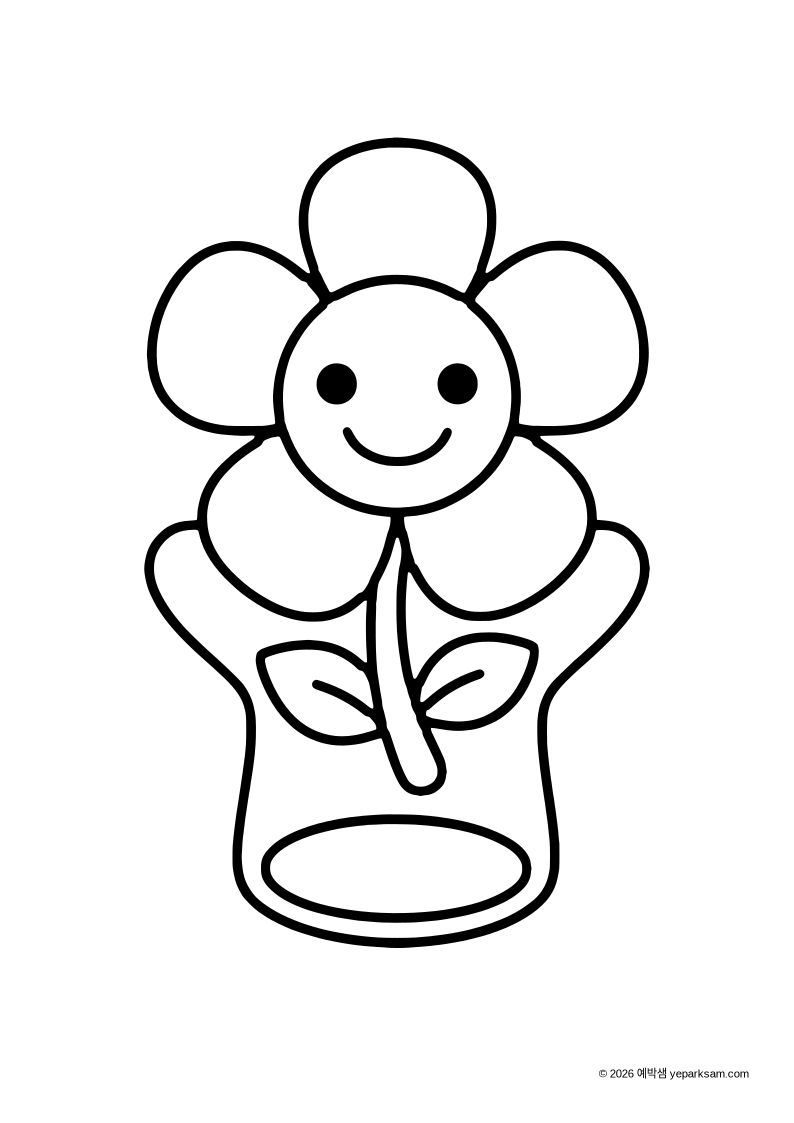
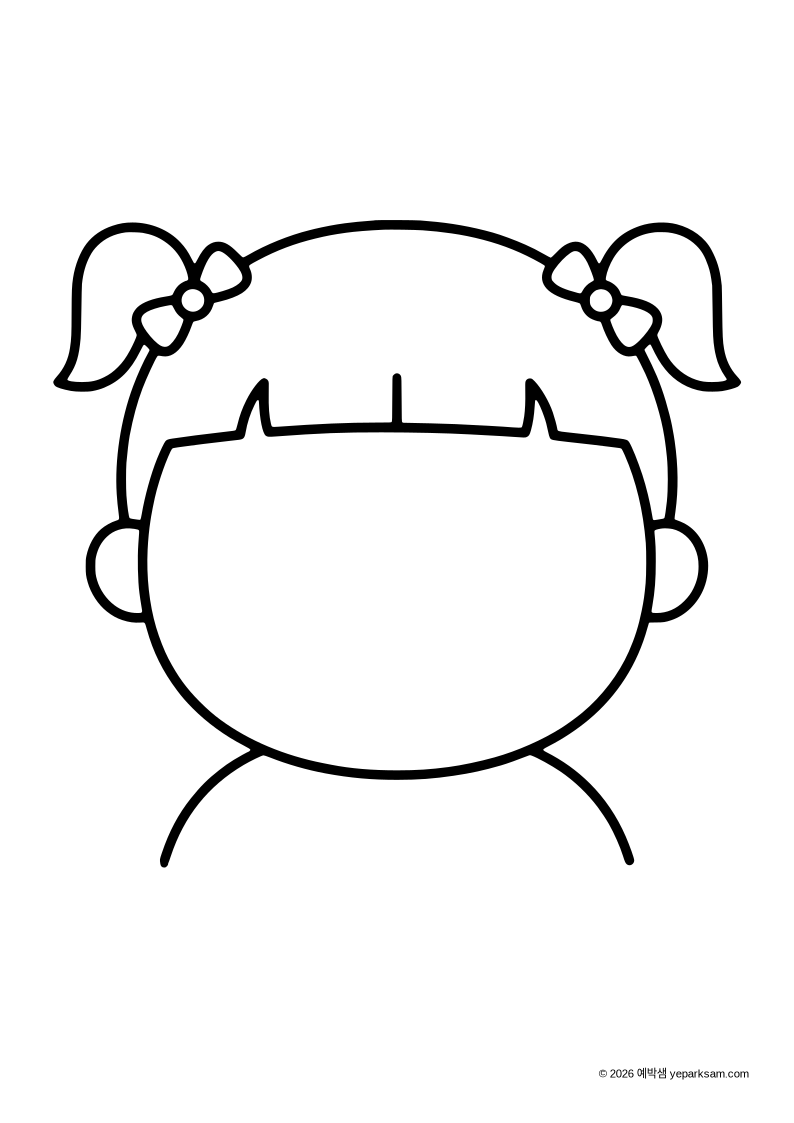
Pick the Feeling
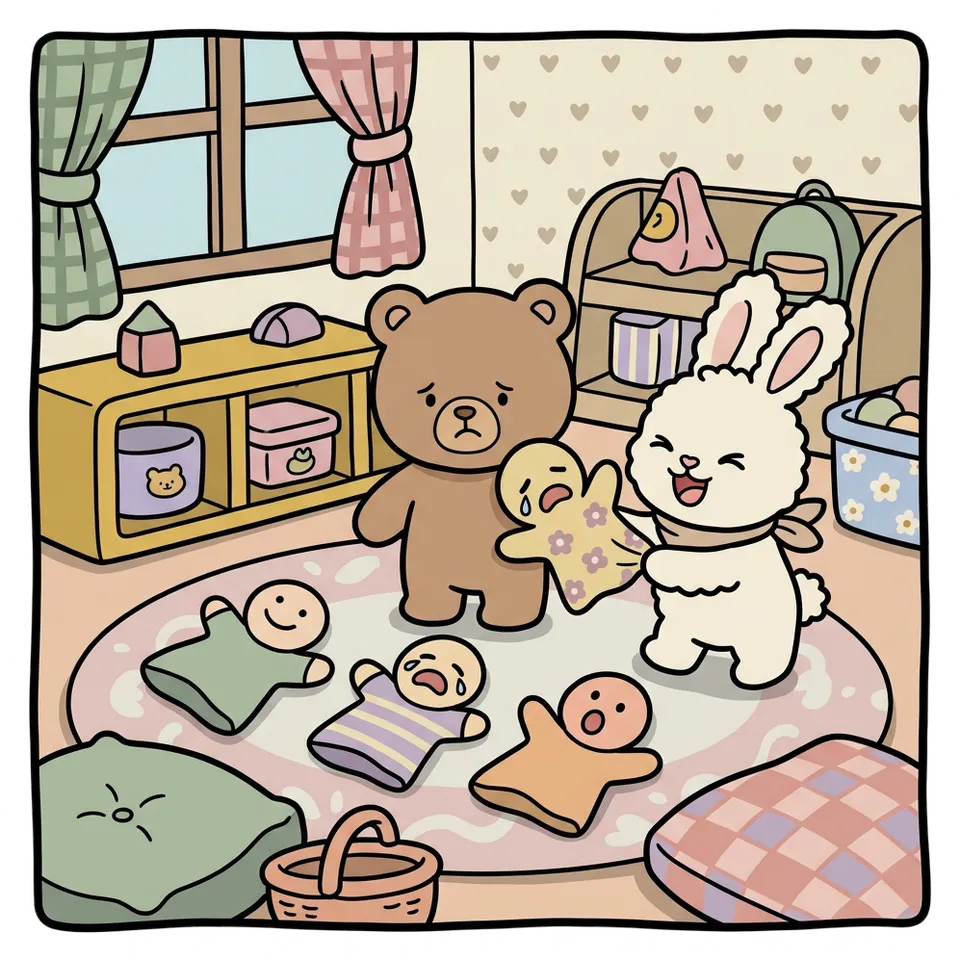
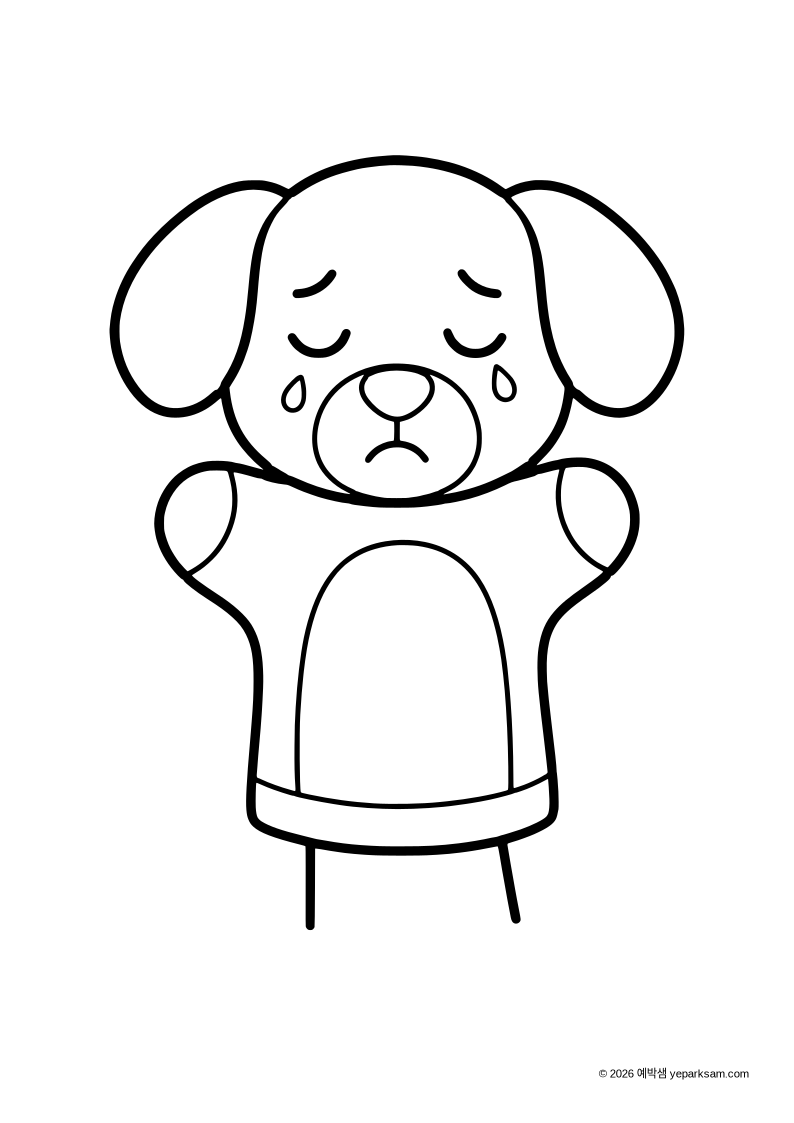
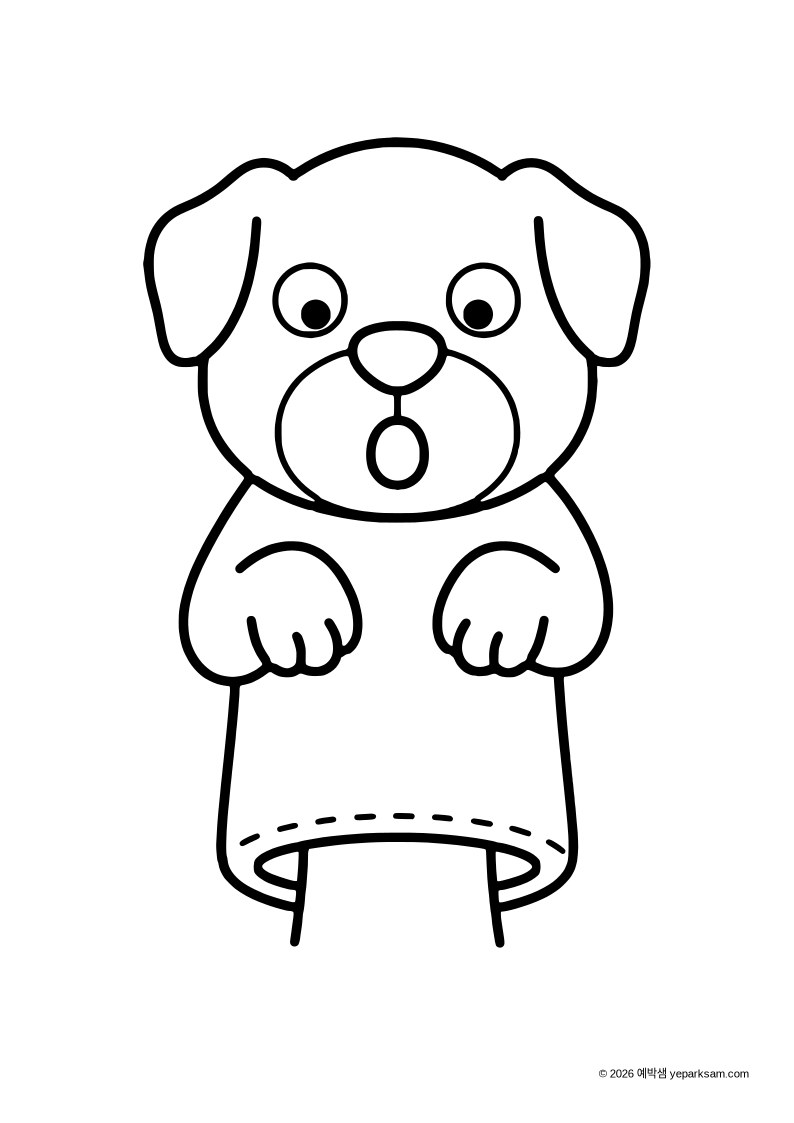
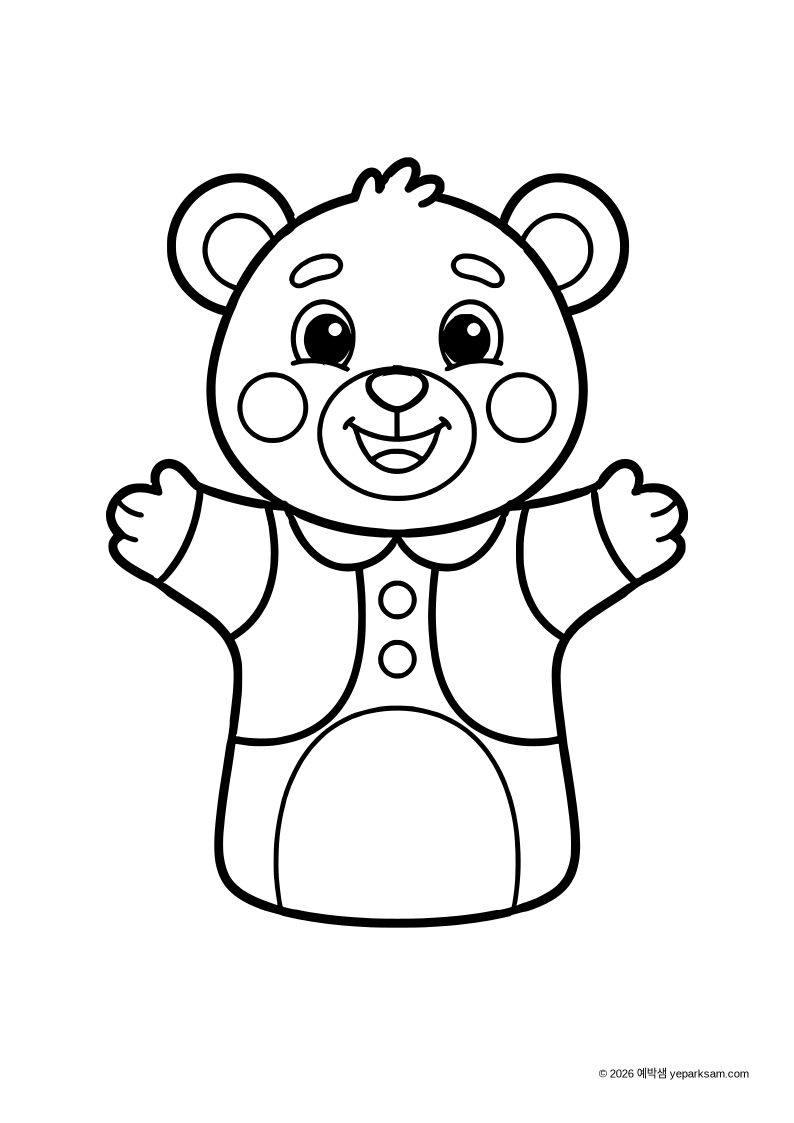
Line up several hand puppets with different expressions and ask how you're feeling right now. The child answers by picking one puppet and putting it on their hand.
Why it's good
It helps a child pull out their own feeling at an age when they can't say it in words. Ask “How do you feel?” and no answer comes, but line up puppets with different faces and the child picks one to answer. While holding a smiling face and a crying face and choosing between them, the child puts a name to their feeling.
How to play
Lay them out and the child touches them first, looking at the faces one by one. Then I ask how they feel right now. When the child picks one, I put it on their hand and ask back about the face they chose. A child picked the surprised puppet, so I asked “Were you surprised?” and they covered their mouth, said “Oh~!” and made their own mouth round too.
Then it's the grown-up's turn, but the child decides which puppet I wear. I put on the smiling puppet and laughed “Ha ha~”, and the child took it back and put the crying one on my hand instead, saying “Keep this one!” When I asked “Keep crying?” the child said “Yeah~” while smiling the whole time.
Good to know
- You need several faces so there is something to choose. With just one, it's only a puppet. With a surprised face, a smiling face and a crying face side by side, the child picks an answer from among them.
- Keep wearing the face the child picked. That is what "keep" in “Keep this one!” means.
What you'll need
Hand puppets with different faces
The Puppet Wants Me to Follow
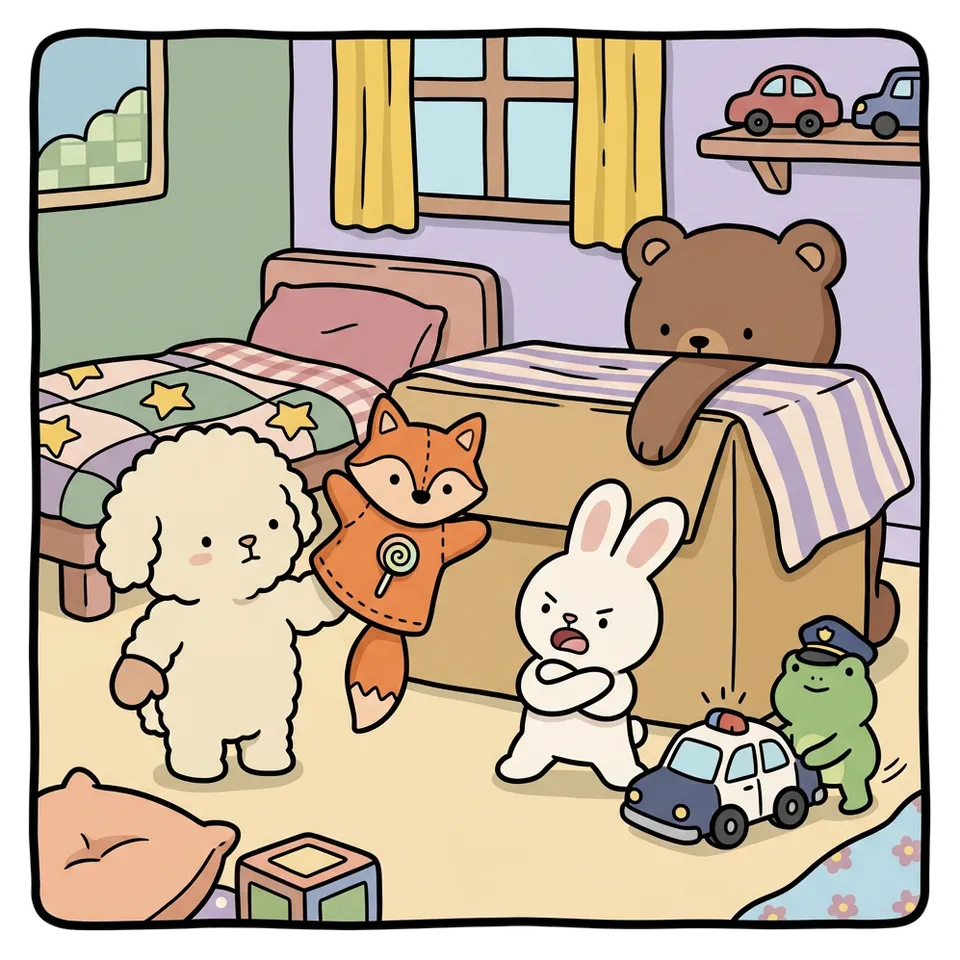
A hand puppet plays a stranger and asks the child to come along, and the child shouts loudly to say no. When the puppet asks “Wanna come with me?” the child yells “No way!”
Why it's good
Children already know they must not follow a stranger. Even reading a picture book they say it clearly: “It's dangerous if someone you don't know says come with me.” But when a puppet appears it's different. It is not a story in a picture. There is someone right in front of them to actually say no to.
Books to read together


How to play
The puppet sidles up and asks, “Wanna come with me? I'll buy you candy.” The child shouts right away. “No! Help me!” I stop short and pretend to back away, but the child doesn't stop there and carries the story on alone. “Wee-woo! Wee-woo! The police are here! I'll help you!” This time the child becomes the police and chases the puppet off. After the puppet is completely gone, the child says the promise they just kept once more, “Don't go alone” and “Hold hands and go,” and ends the play.
Good to know
- Sometimes the child doesn't stop at "No!" and keeps the story going. They might say “Wee-woo! Wee-woo! The police are here!” and become the police to chase the puppet away. When that happens, don't cut the play off there. Follow the story the child made.
- A younger child can just say a short "No" or "I won't go" instead of "No way!" Even if they can't put a long sentence together, shaking their head at the puppet's question and refusing briefly is enough for play.
What you'll need
A villain hand puppet
Draw a Face
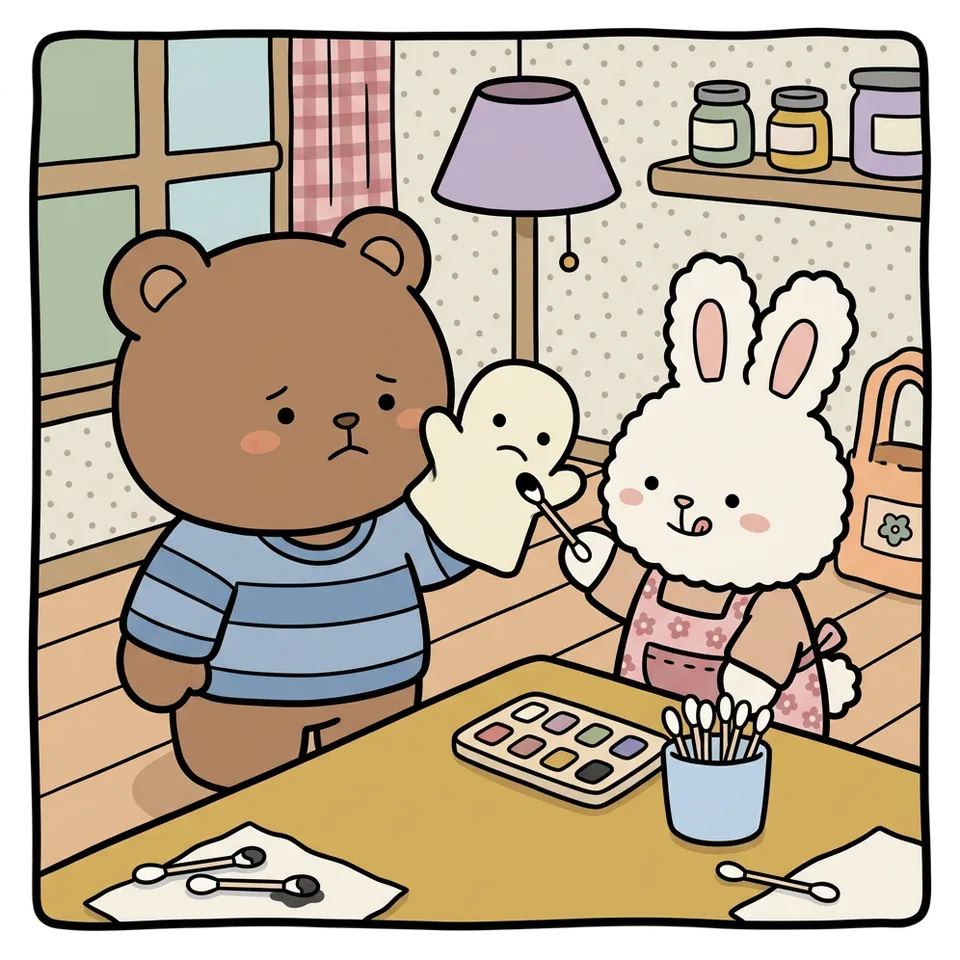
The child draws eyes, a nose, and a mouth themselves on a cloth doll with no face. When the doll sniffles that it has no eyes and can't see, the child draws a face right then and there to fix it.
Why it's good
It is play where the child fills in what is missing with their own hands. When the puppet says it can't see because it has no face, the child hears that, steps right up and draws a face to fix the puppet. When it's done, the child admires the face they made.
How to play
I hold up the puppet and sniffle. “I have no eyes. Boo-hoo. I can't see.” The child answers right away. “Don't cry, I'll draw eyes for you!” Then they look around, find the paint, and open the lid saying “I'll draw with paint!” When I ask “What will you draw with?” the child tilts their head, then makes a dabbing motion with a hand. I hand over a cotton swab and the child takes it, says “Yeah, good,” and dabs on eyes, then a nose, then a mouth.
When the face is filled in, the child lifts up the puppet, looks at it and says “Pretty,” then puts the puppet back on their hand and keeps playing, saying hello to me.
Good to know
- The puppet must have no face. If eyes, nose and mouth are already drawn, there's nothing left for the child to fill in. It has to be a plain cloth puppet.
- If you have no paint, markers work too. The child can dab paint on with a cotton swab, or draw straight onto the cloth with a marker.
What you'll need
A cloth hand puppet with no face · Paint or markers · Cotton swabs
The Puppet's Riddle
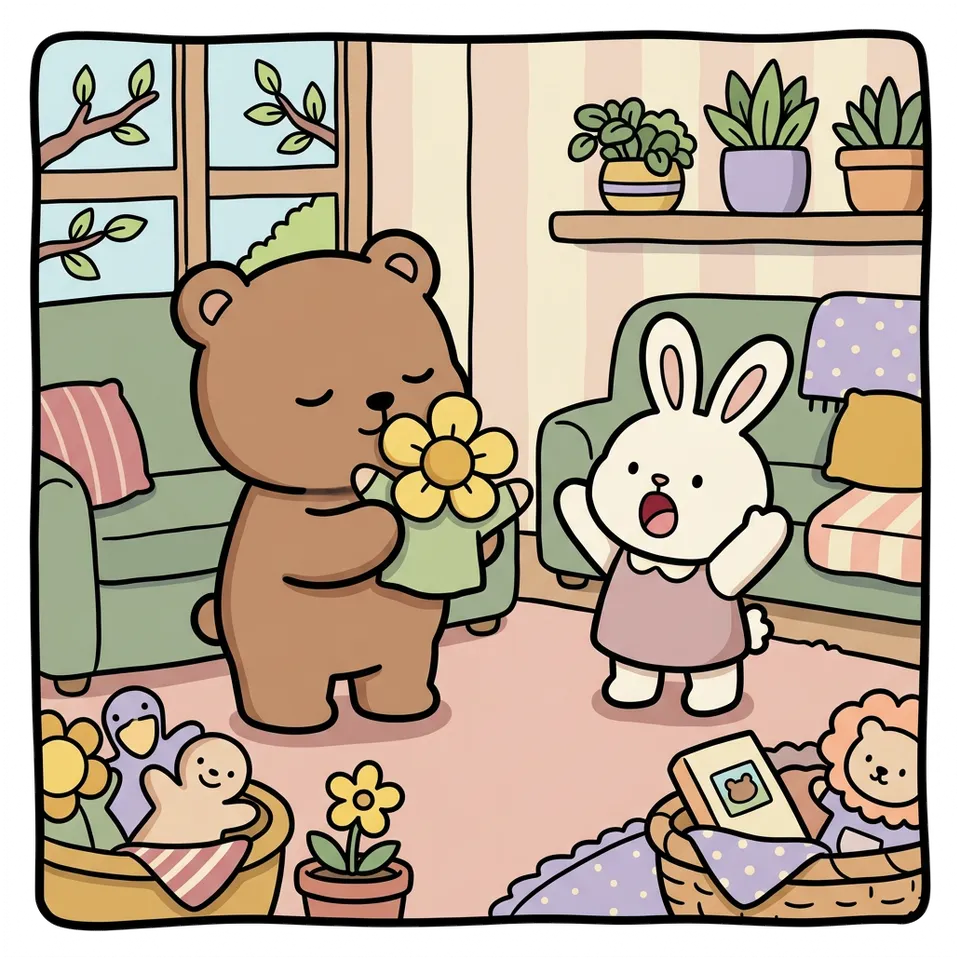
The puppet asks a riddle and the child guesses the answer. When the puppet asks “I bloom in spring, and I'm a yellow flower. What am I?” the child shouts out the answer.
Why it's good
Because the puppet is the one asking, the child calls out the answer loudly first. Even after guessing, when the puppet sniffs the flower the child sniffs along, and when the puppet says goodbye the child waves.
How to play
When the puppet appears, the child's eyes get big. The puppet asks, “I bloom in spring and I'm a yellow flower. What am I?” The child answers first, “Flower! Flower!” and the puppet gives one more hint, “I'm a yellow flower!” Then the child shouts “Sunflower!” and bursts out laughing. I asked about a spring flower and a summer one came out.
Still, the puppet pretends to smell the flower, “Mmm, smells nice~” and the child raises a hand and pretends to sniff too, answering “Mmm~ smells good!” Even after I put the puppet away, the child keeps saying “Flower!” and waving, showing plainly that they want to see it again.
Good to know
- If the child doesn't get it in one try, the puppet gives one more hint. Pointing out the color or a feature helps the child find the answer.
- It's fine if it isn't forsythia. I asked about a yellow flower that blooms in spring and the child said “Sunflower!” They named a yellow flower they know. We don't point out that it was wrong. We laugh and move on to the next play.
What you'll need
A flower hand puppet