Play Ideas with Bean Bags
When I put a bean bag in a child's hand, they shook it right away and held it to their ear. “It's like beans.” “Is it sand?” “It makes a sound!” I had never once told them what was inside. A bean bag is something you can't help touching and shaking to find out.
This page was translated by Yeparksam, a preschool teacher in Korea. Some words may sound a little unusual — thank you for your understanding.
Printables to use
See more ›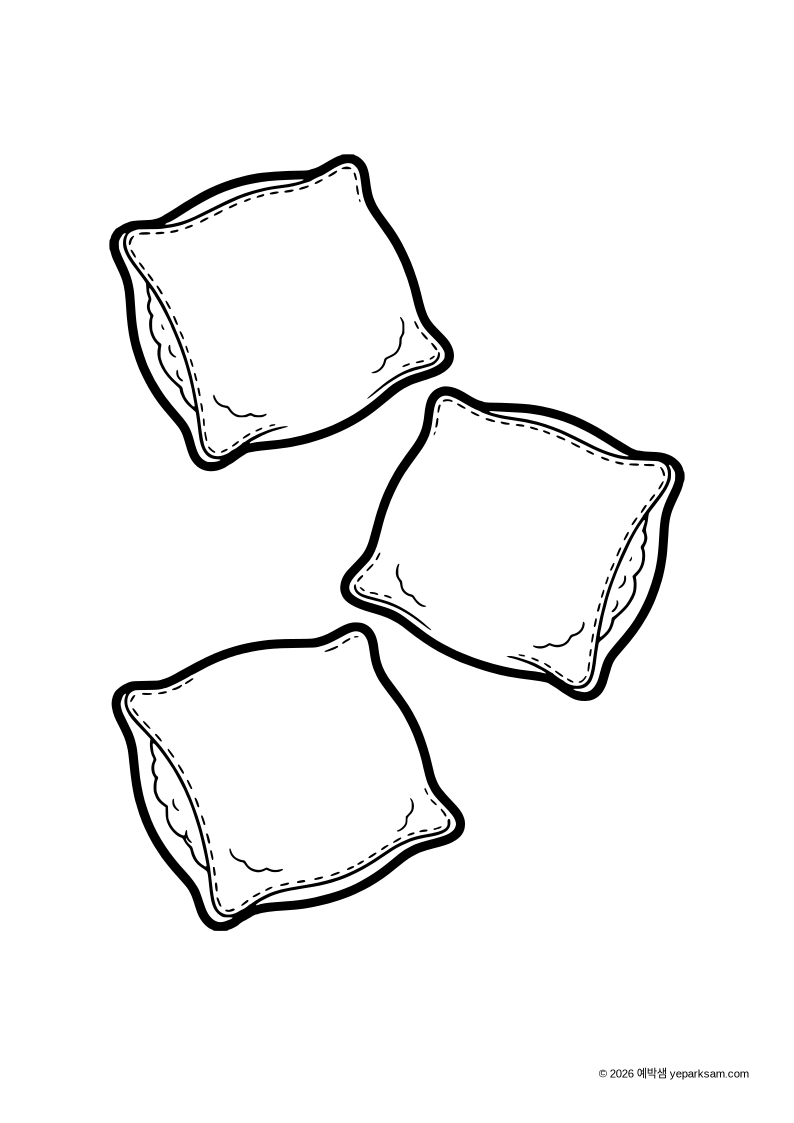
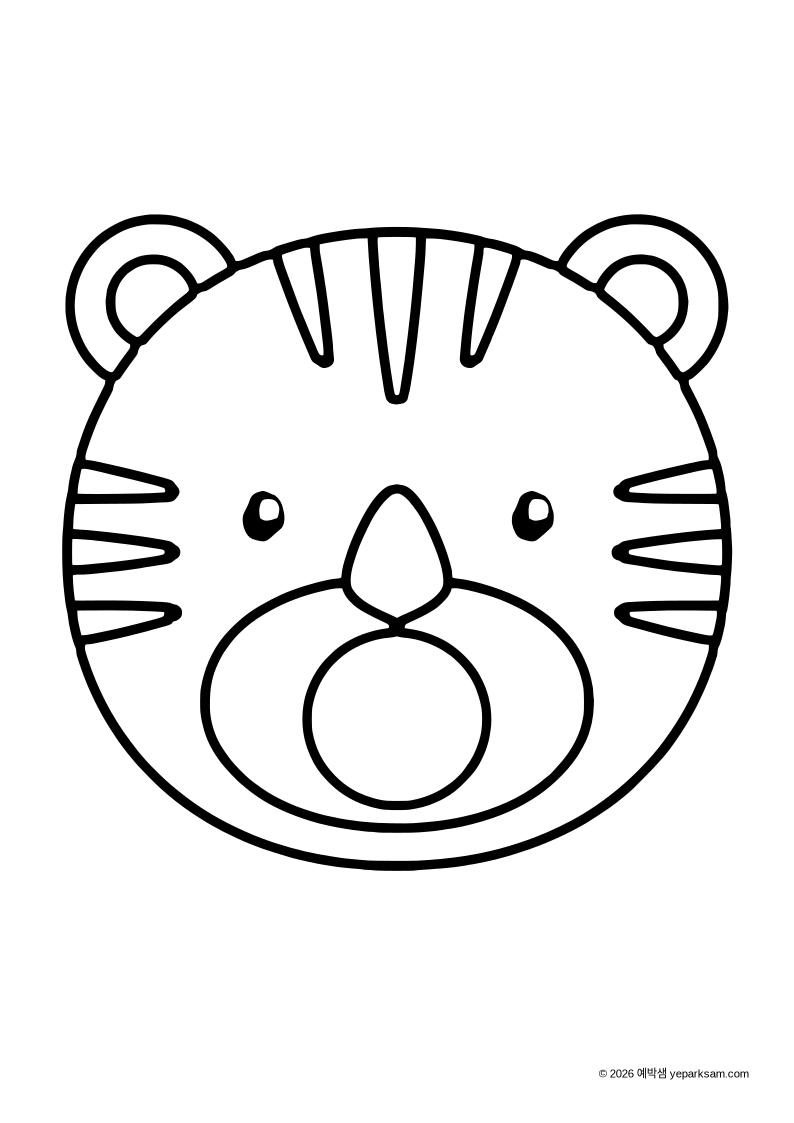
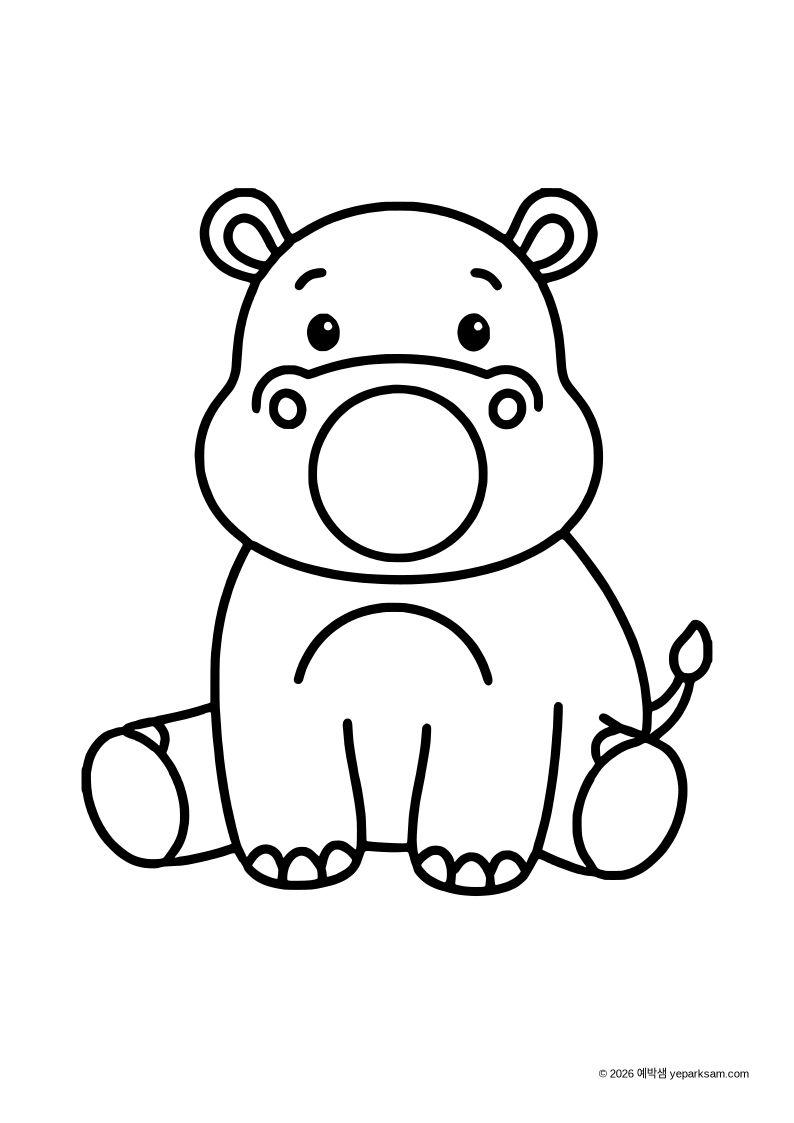
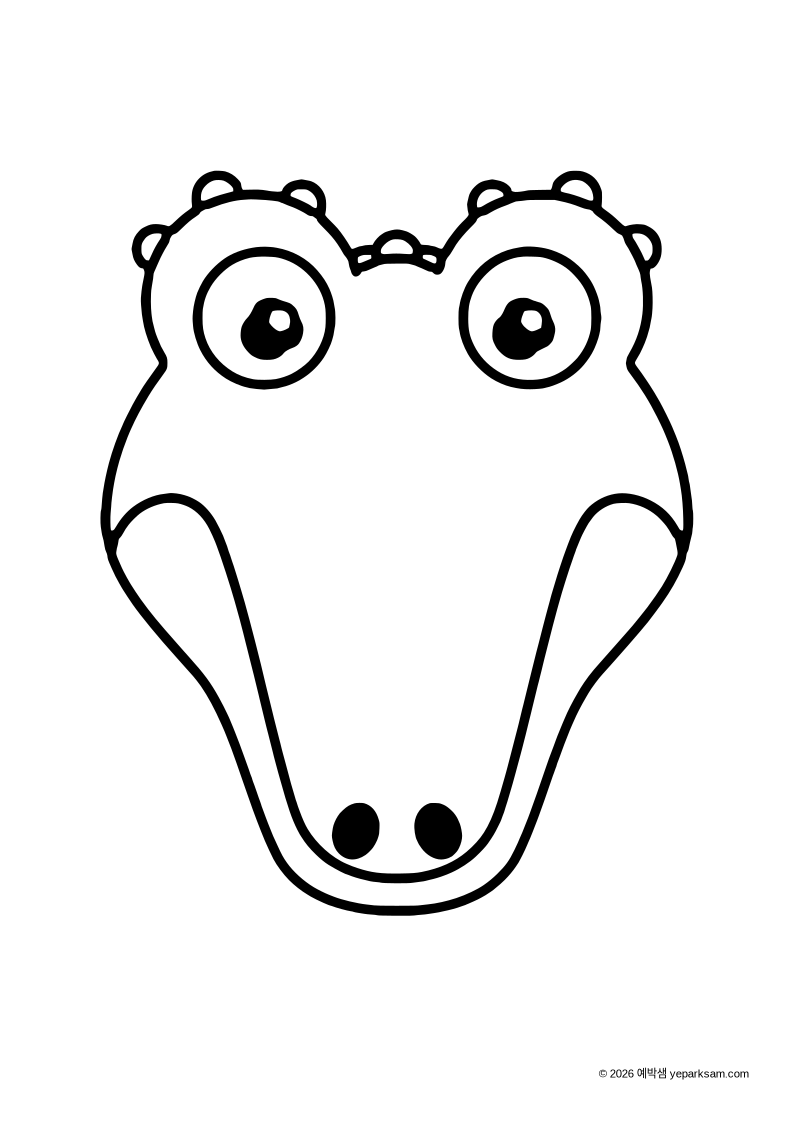
What's Inside?
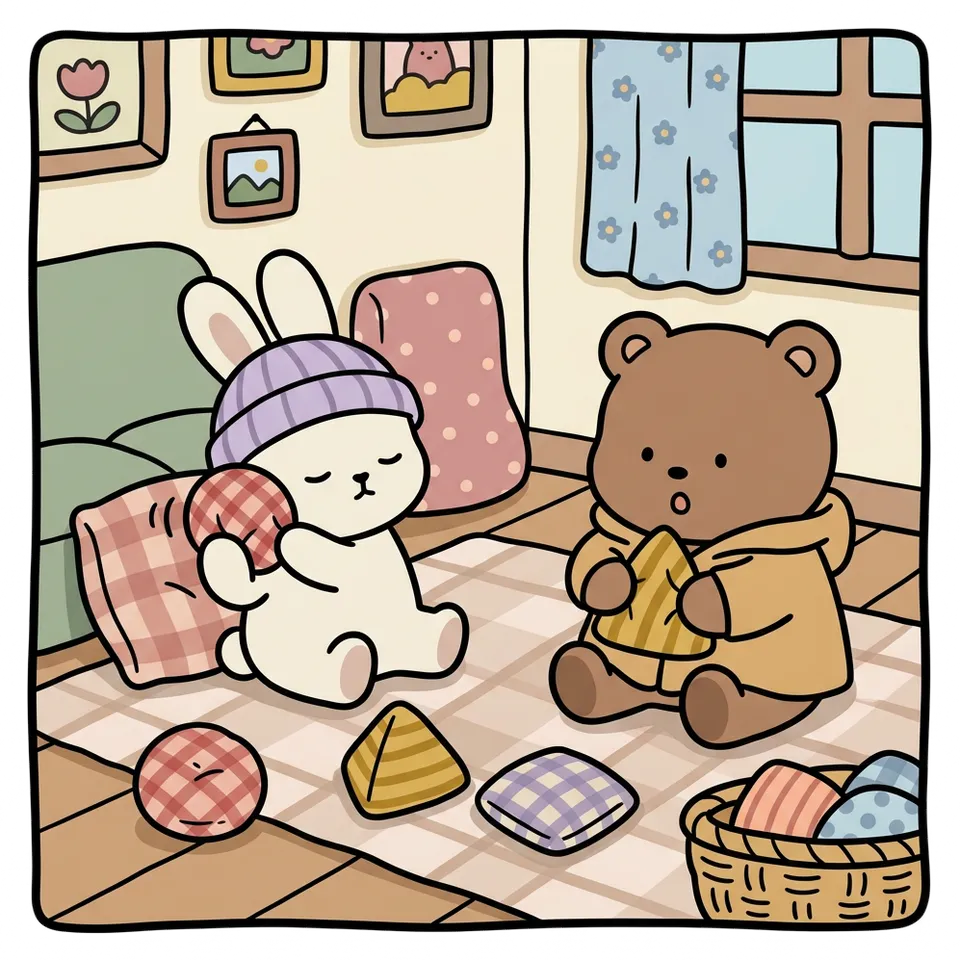
Touch and shake a bean bag with your hands and guess what's inside. The child comes up with an answer just from feeling and shaking it.
Why it's good
From the outside you can't tell at all what is inside, so they have to find the answer only from the feel at their fingertips and the sound they hear. So they put forward the hands and ears they don't usually use much.
How to play
It starts by putting a bean bag in their hand and asking “What could be inside this?” They touch it, shake it, hold it close to their ear to listen, and work out an answer. “It's like beans.” “Is it sand?” “It makes a sound!” Each time, I don't say right or wrong, I just say “It could be” and move on. If I tell them the answer right away, the next bean bag becomes boring.
When I hand them several, comparing begins. This one is soft and that one is hard, this one is loud and that one is quiet. It spreads into a play of comparing size, feel, and sound one by one by gripping and shaking.
Good to know
- Mixing bean bags of different shapes gives more to compare. When shapes differ, like circle, triangle, and square, even the feel in the hand differs, so comparing is easier.
What you'll need
Bean bags
Not Letting It Drop
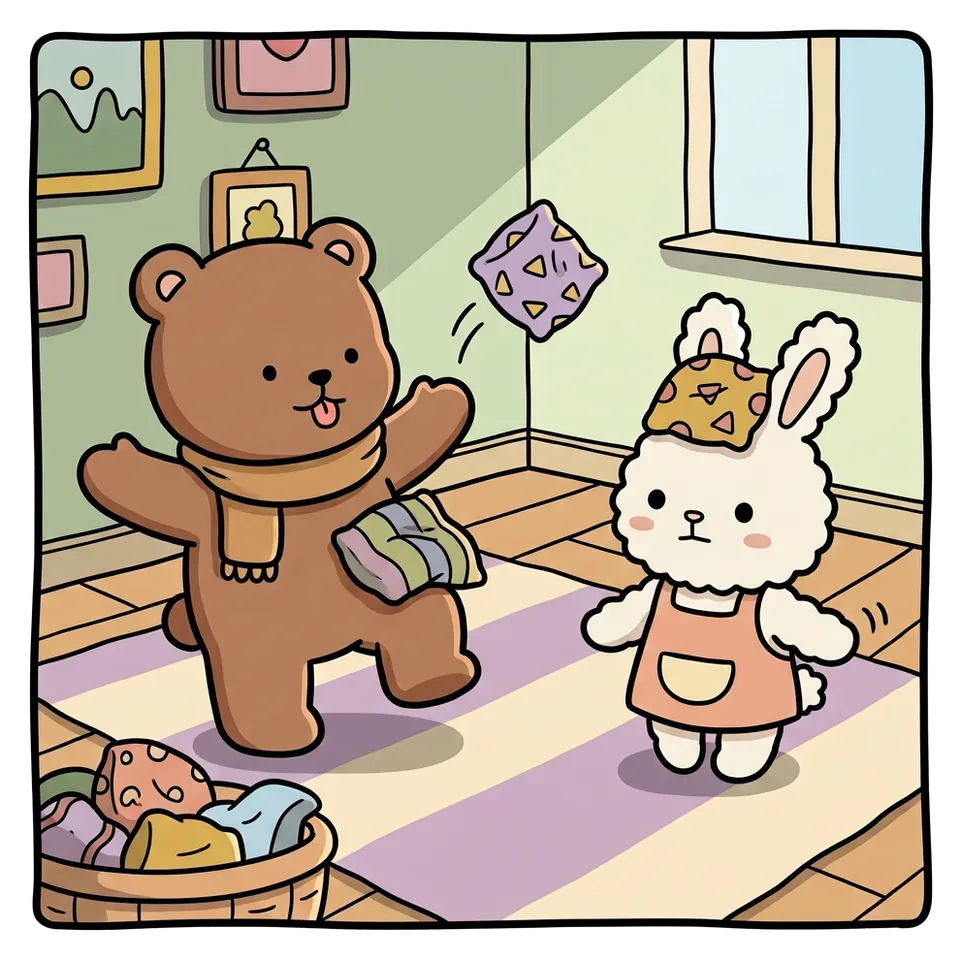
Rest a bean bag on your head, shoulder, or knee and try not to let it fall.
Why it's good
A ball rolls off as soon as you put it on, but a bean bag holds on for a moment. In that moment they gauge for themselves how much to move their body so it won't fall. Standing on one leg and adjusting the body this way and that to keep balance is what this play gives.
How to play
When I put a bean bag on their knee and had them stand on one leg, the child set their pose first as if they'd done it before: “I've done this before! You do it like this!” When the bean bag fell they put it back, and when it fell again, they put it back again. They didn't get tired even after many times. When I said “Standing on one leg, the bean bag is staying up well.”, another child watching came over wanting to try too.
You can also put it on the head or shoulder. If I put it on and ask “Look, can you do it like me?”, the child moves their body to copy exactly. Switching between knee, head, and shoulder makes the same play last a long time.
Good to know
- It's a play where dropping is fine. Putting it back up is half of this play.
What you'll need
Bean bags
Throwing to Feed
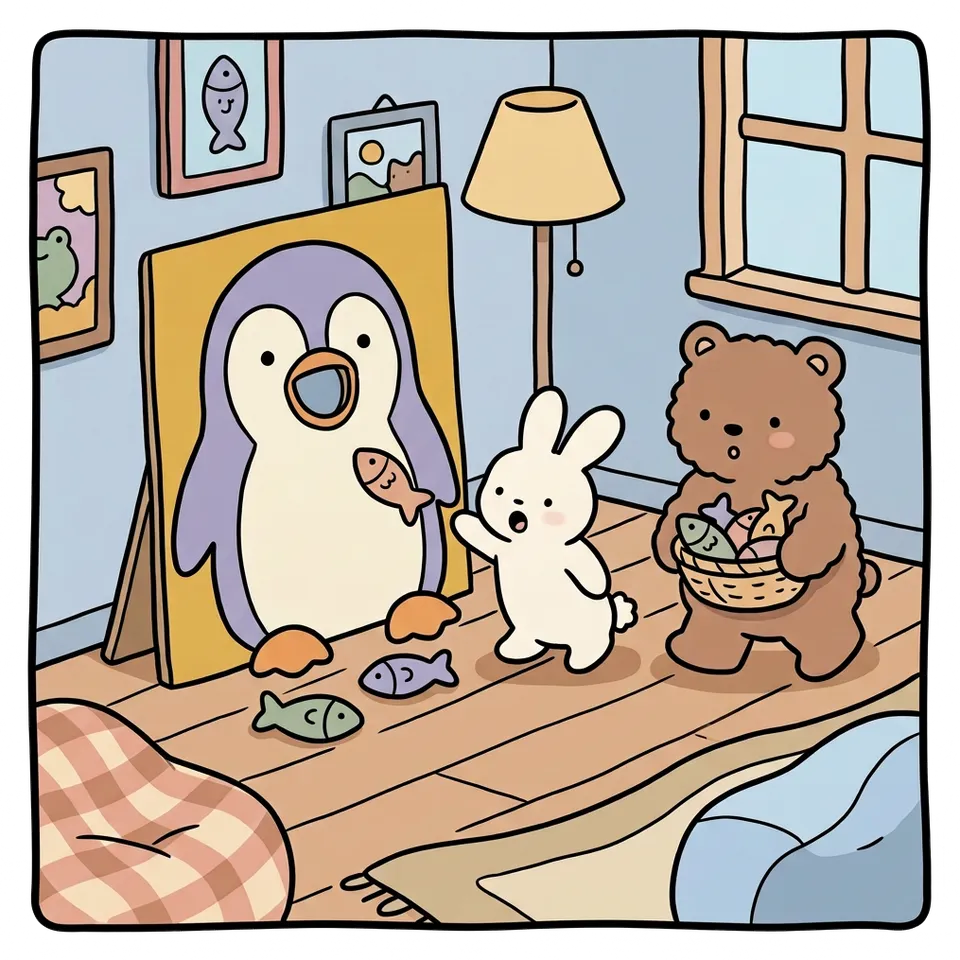
Toss bean bags into the mouth of an animal picture or stuffed animal to feed it.
Why it's good
It isn't just throwing things in. The story of "feeding" is attached, so they don't get bored even after many times. And it has to be a bean bag. A bouncy ball bounces back out after going in, but a bean bag stays where it lands, so you can see it was eaten.
How to play
In front of a picture of a penguin with its mouth wide open, we threw fish-shaped bean bags in one by one. After I first showed a waddling walk like a penguin, the child threw in several in a row through the hole in the belly. After feeding all the fish, they went on to throw in bigger, heavier bean bags. Another child nearby joined in, saying “I want to feed too!”
Good to know
- You need several pieces of food. If there's only one, it's over and they get bored.
What you'll need
Bean bags · An animal picture or doll with an open mouth
Making by Filling Beans
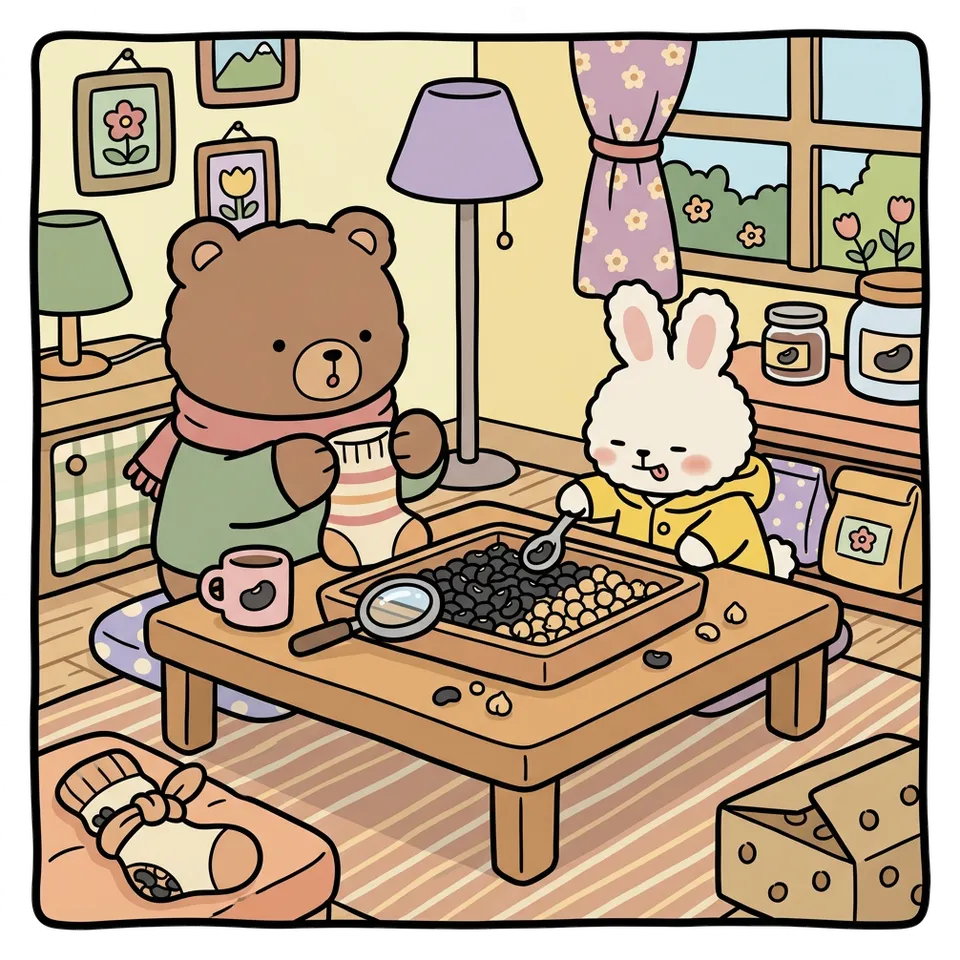
Fill a sock with beans by hand to make your own bean bag.
Why it's good
Scooping beans with a spoon and moving them into a sock is nothing to adults, but for a child it takes quite careful use of the hands. And the real value of this play is that as soon as it's finished, they can play with what they made.
How to play
I put black beans and chickpeas on a tray and let them touch them first. They felt them with their hands, dropped them from above, and looked closely with a magnifying glass. When I showed them how to scoop beans with a spoon, the child followed and began putting beans in. When I said “Shall we put the beans inside the sock?”, they picked up beans by hand and put them in the sock. I helped tie the end of the sock.
The child immediately played with the finished bean bag by throwing it into a box with a hole. It's the order of using with their own hands what they made themselves.
Good to know
- The more variety in bean sizes, the better. Giving big ones like black beans and small ones like chickpeas together changes even the feel of picking them up.
- A child can't tie the end of the sock alone. It's the only moment an adult's hands are needed.
What you'll need
Beans · Socks · Spoon
Carrying on the Head to Sell
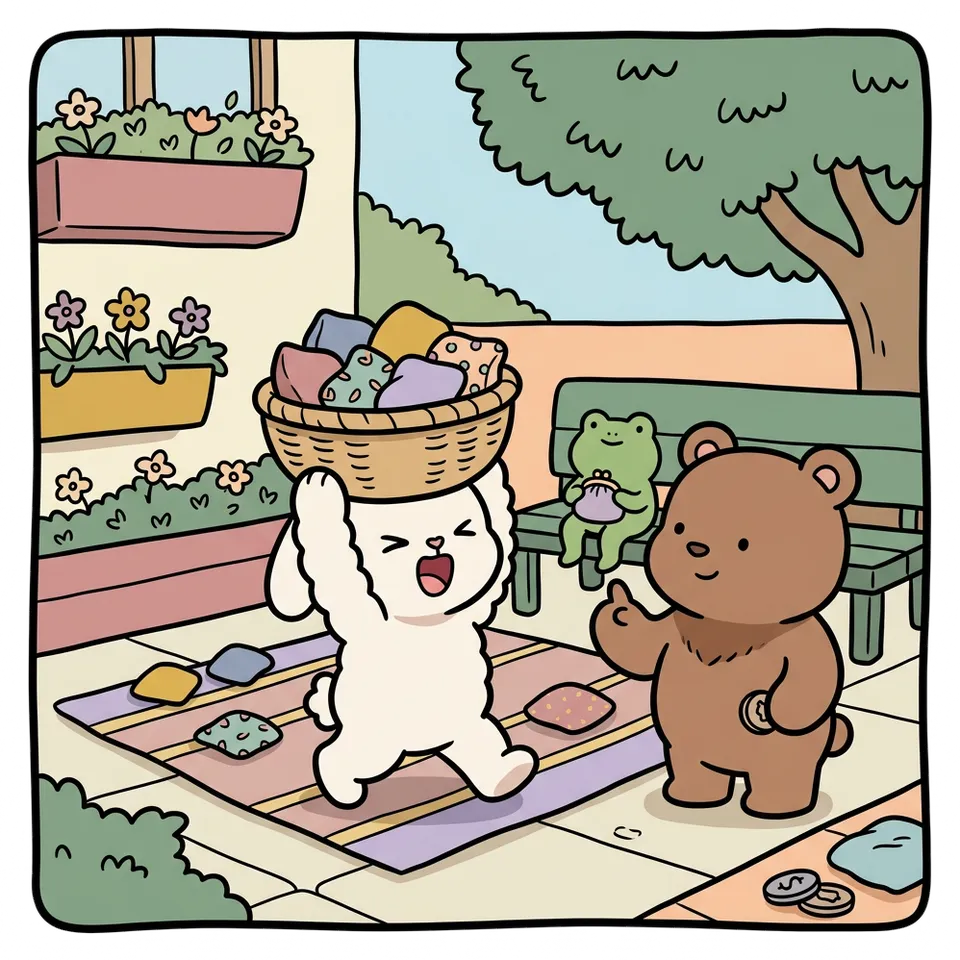
Carry a bean bag in a basket on your head and pretend to sell it, calling out “Buy some!”
Why it's good
Even a child who wasn't interested in throwing comes back to the play once they become a "seller." Not the achievement of throwing but the fun of calling out and taking a role carries this play.
How to play
The child picked up the bean bags from the floor into a basket, put it on their head, and shouted “Bean bags for sale.” When I came up and said “Just one, please.” they excitedly held out the basket. Since they quickly lost interest in throwing, I switched to a tteok (rice cake) selling game. As a tteok seller, they walked around holding the basket, saying “Tteok for sale.”
Good to know
- The calling words differ for each child. Whether it's “Bean bags for sale” or “Tteok (rice cake) for sale,” the child decides what to say as they sell.
- You need customers for it to become a selling play. Whatever the business is.
What you'll need
Bean bags · Basket